
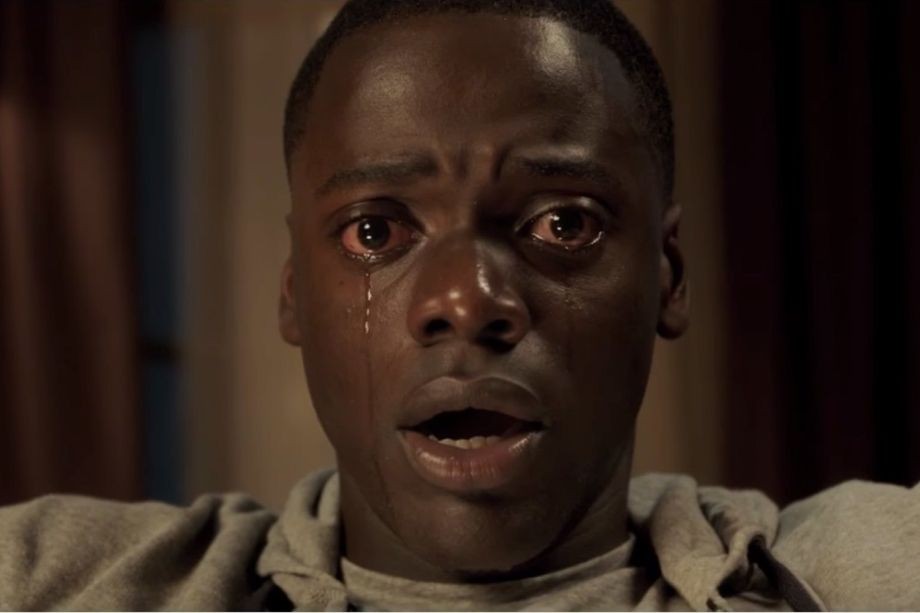
A planned weekend to meet a friend’s parents quickly unravels, revealing layers of psychological manipulation, hidden agendas, and horrors disguised behind politeness.
With its socially charged core, Get Out blends psychological thriller and dark comedy into a sharp, fast-paced narrative that raises profound questions about control, identity, and the commodification of Black bodies, yet delivers them through an accessible, entertaining, and deeply unnerving story that never slows down long enough for the audience to fully exhale. Written and directed by Peele, the film maintains a deceptively warm tone in its early moments, balancing tension with humor as it invites viewers into the seemingly welcoming world of the Armitage family. Clever comedic beats help break up the escalating unease, mimicking Chris’s attempts to dismiss his own intuition. While the film is layered with metaphor, its messaging is never heavy-handed; instead, the horror is woven into microaggressions, strange formalities, and slightness.
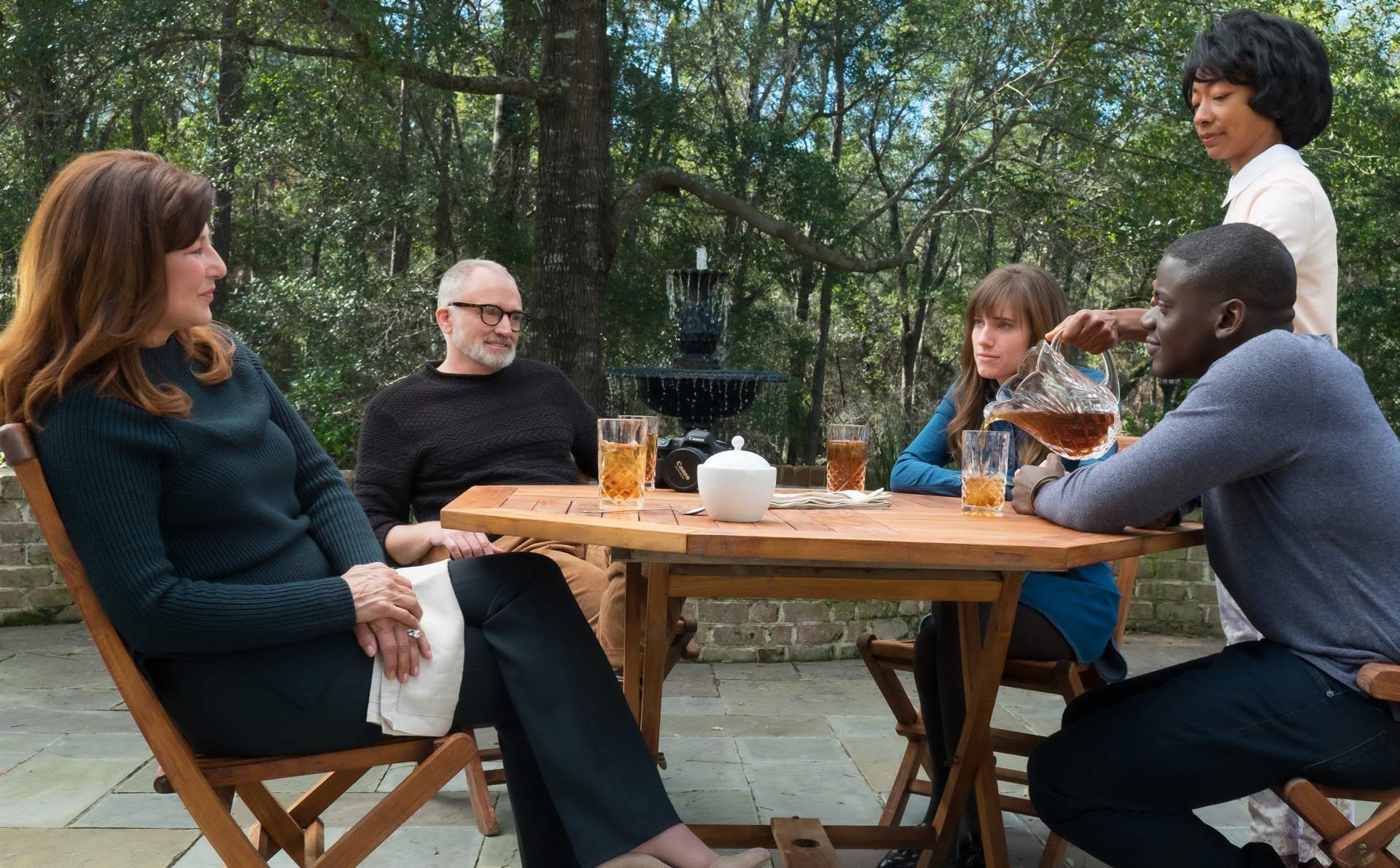
Daniel Kaluuya delivers a riveting, emotional performance as Chris Washington. From the moment he enters his girlfriend’s world, Kaluuya embodies a quiet vigilance, nervous, observant, and increasingly suspicious of every interaction. He captures the layered fear of someone trying to remain polite in an environment coded against him, even as his instincts scream otherwise. His portrayal is nuanced, shifting from subtle discomfort to full-blown terror as the truth reveals itself. By the time Chris is forced into a fight for survival, Kaluuya has crafted a character the audience is deeply invested in, a man navigating not only physical danger but the psychological weight of past trauma and present betrayal. Lil Rel Howery’s performance as Rod Williams provides the film’s strongest comedic counterbalance. As Chris’s loyal, outspoken best friend, Rod is protective from the start, loudly voicing the dangers the audience senses long before Chris does. His humor never undercuts the stakes; instead, it highlights the contrast between Chris’s attempts to “be reasonable” and the absurdity of what he’s enduring. Rod’s persistence and intuition ground the film, offering relief even as the story grows darker, and culminating in one of the most cathartic endings in modern horror cinema.

Visually, Get Out is precise and symbolic. Early scenes present the Armitage estate in warm, natural tones, an idyllic suburban retreat hiding something sinister beneath its curated surface. As Chris becomes more aware of the environment’s dangers, the camera shifts. Tighter framing, off-center compositions, and intrusive close-ups subtly distort the space around him, aligning the viewer with his rising anxiety. Peele uses visual metaphors, mirrors, teacups, and the iconic “sunken place” to externalize Chris’s internal terror. The transitions into the sunken place are especially striking, with floating, drifting visuals that reinforce the horror of losing autonomy over one’s body and mind. While Get Out doesn’t rely on jump scares or gore, its psychological tension, satirical edge, and thematic depth revolutionize the horror genre. The cold opening, a young Black man abducted in a quiet suburban neighborhood, sets the tone for the entire film: familiar, yet terrifyingly real. Peele subverts classic horror tropes, giving Black audiences a protagonist who is intuitive, intelligent, and refuses to die for someone else’s arc.
Get Out blends suspense, social commentary, and dark humor, reshaping expectations for what horror could be. With its sharp writing, unforgettable imagery, and powerhouse performances, the film stands as both an entertaining thriller and a haunting reflection of America’s deepest anxieties, inviting audiences to examine closely the monsters lurking behind smiles, handshakes, and polite conversation.