post

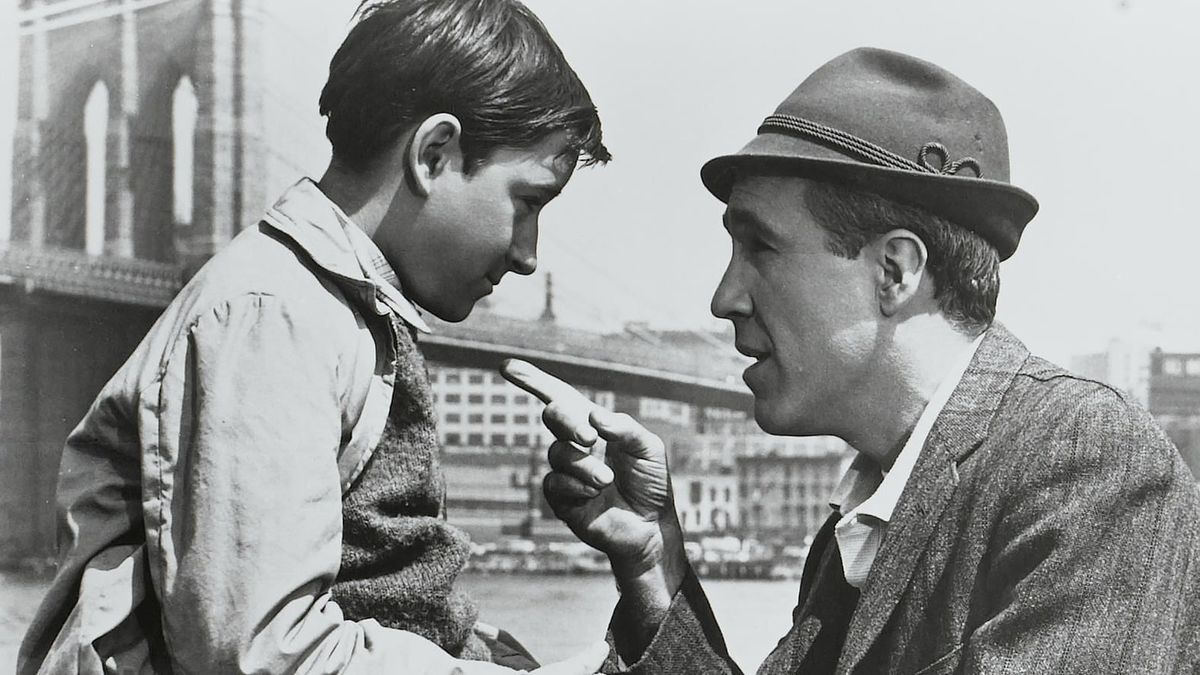
The Bootleg Files: That’s Life

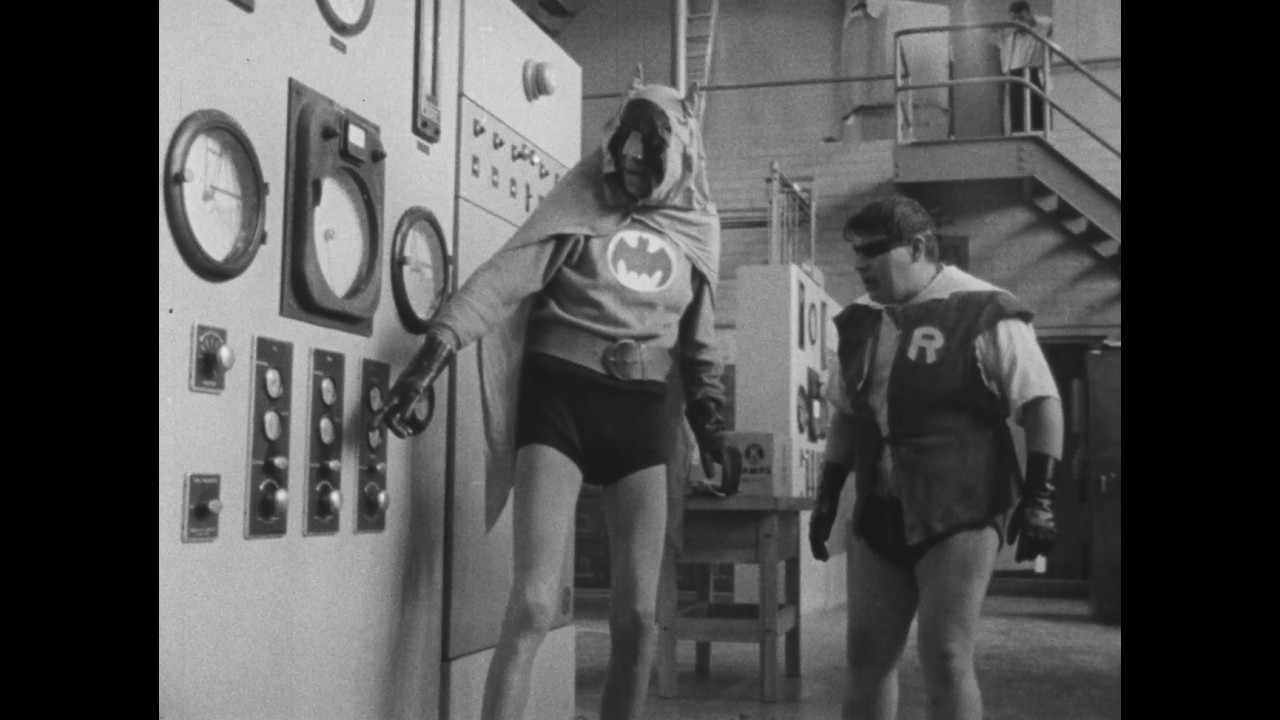
BOOTLEG FILES 944: “That’s Life” (1968-69 television series starring Robert Morse and E.J. Peaker).

LAST SEEN: Bits and pieces are scattered on YouTube.

AMERICAN HOME VIDEO:
None.

REASON FOR BOOTLEG STATUS:
It is complicated

CHANCES OF SEEING A COMMERCIAL DVD RELEASE:
None.

Earlier this week, I was very sad to learn about the passing of actress E.J. Peaker. She was a vivacious blonde who came to prominence in the late 1960s by playing the perky dress shop salesgirl Minnie Fay in the film version of “Hello, Dolly!” and as the female lead in a strange television sitcom called “That’s Life.”
Continue reading

post

Every Bugs Bunny Ever: A Political Cartoon

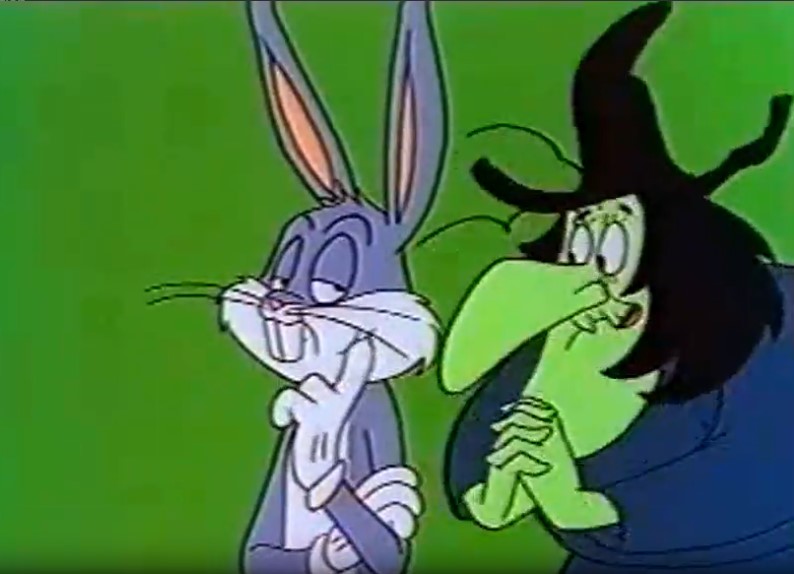
Bugs Bunny’s first theatrical film since “False Hare” in 1964 was “A Political Cartoon,” an independently produced short released in 1974. Filmmakers James K. Morrow and Joe Adamson licensed Bugs Bunny from Warner Bros., while Mark Kausler animated the character to resemble his mid-1940s appearances and Mel Blanc provided his inimitable voice.
Continue reading

post

The Bootleg Files: Hot Dog

BOOTLEG FILES 943: “Hot Dog” (1970-71 children’s series starring Woody Allen, Jonathan Winters, and Jo Anne Worley).

LAST SEEN: Bits and pieces are scattered on YouTube.

AMERICAN HOME VIDEO: None.

REASON FOR BOOTLEG STATUS: It is complicated

CHANCES OF SEEING A COMMERCIAL DVD RELEASE: None.

The other day, I was scrolling around social media and spotted a post that mentioned how Woody Allen starred in a kiddie television series in the early 1970s. And my reaction to that post was: Huh?
Continue reading

post

Every Bugs Bunny Ever: The 1960s Commercials

When Warner Bros. partnered with ABC in 1960 for the production of “The Bugs Bunny Show,” General Foods Corporation was signed as the sponsor of the show. It was the proverbial match made in Heaven, as the company offered a line of breakfast cereals and flavored drink mixes aimed at the kiddie consumer while the Warner Bros. cartoon characters were the ideal sales tools to entice the show’s juvenile viewers and their grocery shopping parents.
Continue reading

post

Brother Martin: Servant of Jesus (1942)

Most film historians have exiled Spencer Williams to the fringes of cinema history, a situation based on both his race and the circumstances in which he worked. During the 1940s, he was the only prolific African American director – albeit in a series of cheaply-made, independently-produced features for a company out of Dallas that were distributed for exhibition in racially segregated cinemas serving the nation’s black population.
Continue reading