post

The Bootleg Files: Gugusse and the Automaton

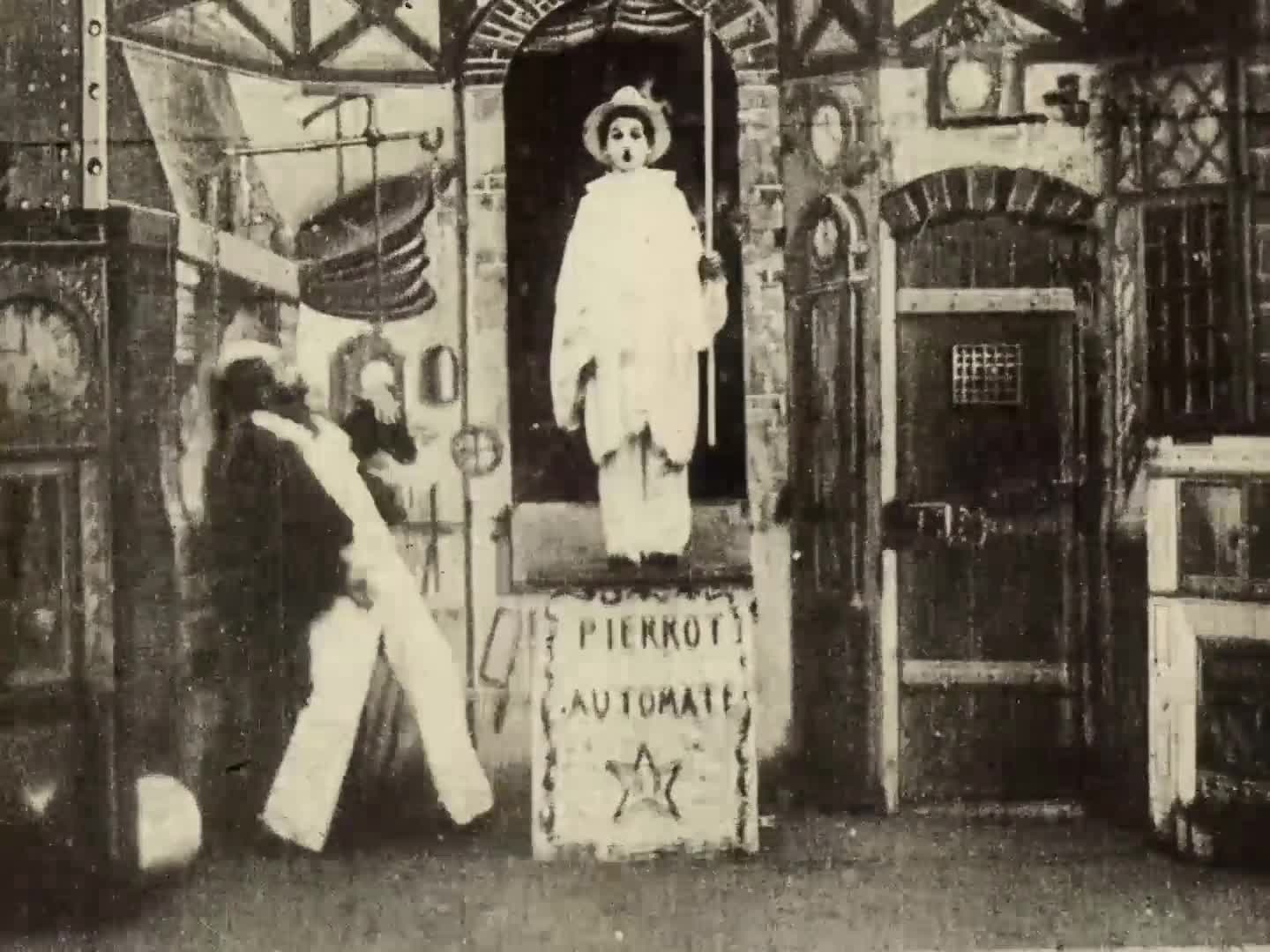
BOOTLEG FILES 935: “Gugusse and the Automaton” (1897 short film by Georges Méliès).

LAST SEEN:
On the Library of Congress website.

AMERICAN HOME VIDEO: None.

REASON FOR BOOTLEG STATUS:
It was one of many films from the late 19th century that were bootlegged.

CHANCES OF SEEING A COMMERCIAL DVD RELEASE: Maybe someday in an anthology of rediscovered lost films.

During the height of his film production career, the pioneering French producer/director Georges Méliès fought a losing battle against miscreants who made bootlegged copies of his films and profited in selling these unauthorized prints. The bootlegging was particularly acute in the American market, where Méliès was forced to set up a sales office to fight against the characters who were pirating his work.
Continue reading

post

The Bootleg Files: London After Midnight

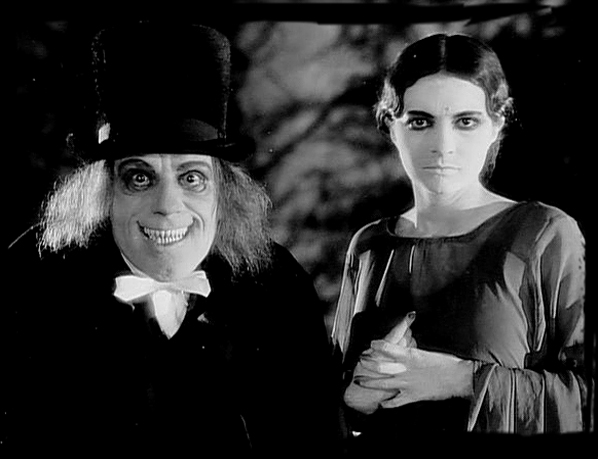
BOOTLEG FILES 934: “London After Midnight” (2025 AI-fueled reconstruction of the lost 1927 film).

LAST SEEN: On YouTube.

AMERICAN HOME VIDEO: None.

REASON FOR BOOTLEG STATUS: It rips off a 2002 copyright-protected reconstruction of lost the film.

CHANCES OF SEEING A COMMERCIAL DVD RELEASE:
Definitely not.

Among the vast and woeful realm of lost films, the 1927 Lon Chaney-starring vampiric mystery feature “London After Midnight” is among the most sought-after titles. Back in 2000, I interviewed Jon Mirsalis, a Chaney historian and film preservationist, for an article on Film Threat – this was when Film Threat was still readable, of course – and I asked him about this Tod Browning-directed film, which was considered lost after the last known surviving print was destroyed in a 1967 vault fire at the MGM studios. In that interview, Mirsalis openly questioned whether “London After Midnight” was the lost classic that too many people imagined it had to be.
Continue reading

post

The Bootleg Files: Uncle Walt

BOOTLEG FILES 927: “Uncle Walt” (1964 student film that was unavailable for many years).

LAST SEEN: On YouTube and Internet Archive.

AMERICAN HOME VIDEO:
None.

REASON FOR BOOTLEG STATUS: A student film made without the clearance of the rights owners of the original classic.

CHANCES OF SEEING A COMMERCIAL DVD RELEASE: Nope.

One of the sad truths of locating films that are either lost or have been otherwise unavailable for decades is that the discovered titles are often far less interesting than the mystique that surrounded them during their absence from view.
Continue reading

post

Poro College in Moving Pictures (1927)

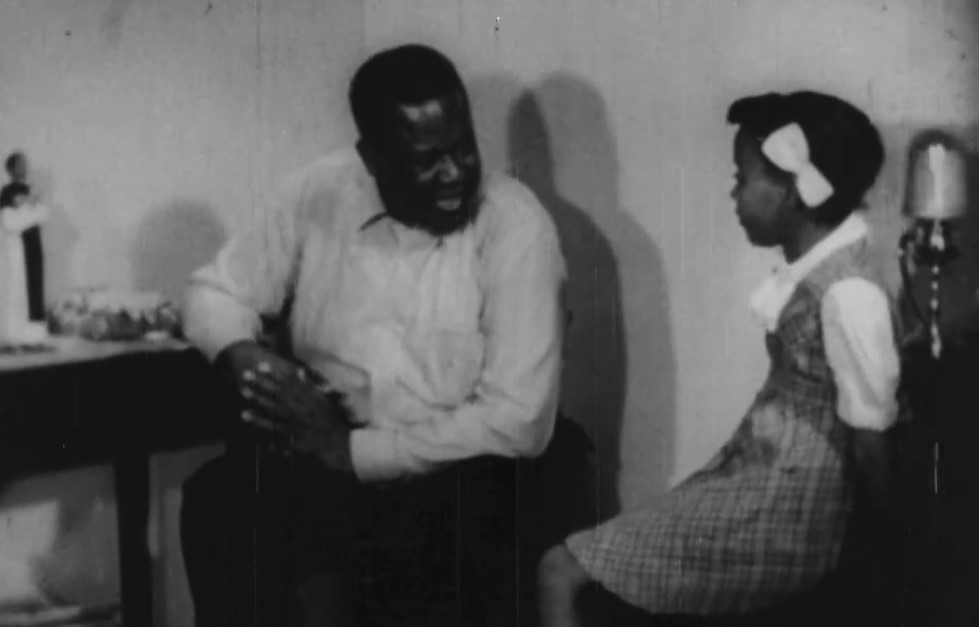
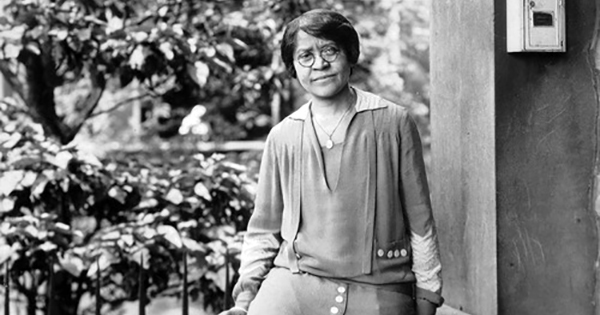
Annie Malone is mostly unknown today, but during the first quarter of the 20th century she had a profound impact on the empowerment of African-American women. Malone was a business tycoon, style trend setter, educator, philanthropist and role model. A documentary film made in 1927 presented an in-depth celebration of her extraordinary career – but the film’s disappearance mirrors Malone’s absence from most historical texts.
Continue reading

post

The Rogue Song (1930)

MGM’s 1930 film “The Rogue Song,” an adaptation of the Robert Bodansky-A. M. Willner operetta “Gypsy Love,” was the only sound-era production included on the American Film Institute’s 1980 list of the ten most wanted lost films. The inclusion of this title on the list was peculiar at many levels. For starters, its presence as the sole post-silent era entry, it inadvertently gave the wrong impression that few sound-era films were lost.
Continue reading

post

Life Without Soul (1915) — The Lost Frankenstein Film

For many years, the 1910 version of “Frankenstein” was the subject of endless speculation when the film was believed to be irretrievably lost. The agitation over its absence was understandable, since it represented an early foray into the horror genre and it was the first film adaptation of the Mary Shelley novel.

Strangely, much less interest has been generated by the second film version of the Mary Shelley novel. This 1915 production, titled “Life Without Soul,” was somewhat closer to its source material than the 1910 film, and it was later at the center of one of the most unusual intellectual property legal cases to emerge in the 1930s.
Continue reading