One of the most popular ribbons of film from the dawn of motion pictures was “Fatima’s Coochee-Coochee Dance,” released for viewing in 1897 in Thomas Edison’s Kinetoscope peepshow machine.
Continue reading
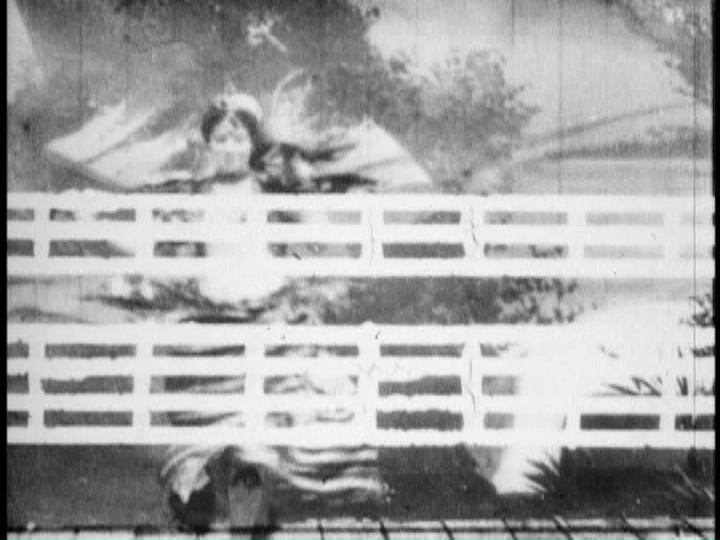

One of the most popular ribbons of film from the dawn of motion pictures was “Fatima’s Coochee-Coochee Dance,” released for viewing in 1897 in Thomas Edison’s Kinetoscope peepshow machine.
Continue reading
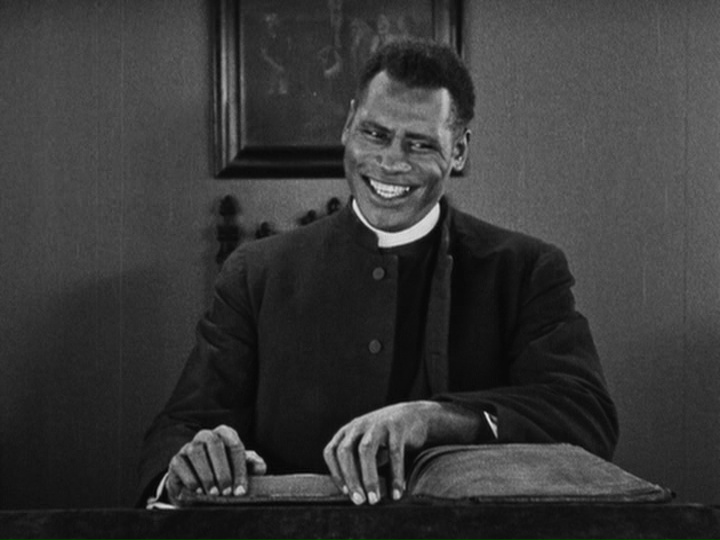
Mostly recalled today for Paul Robeson’s film debut and as one of the few surviving silent productions created by the pioneering Black filmmaker Oscar Micheaux, “Body and Soul” has more value as a historic curio than as a work of cinematic art.
Continue reading
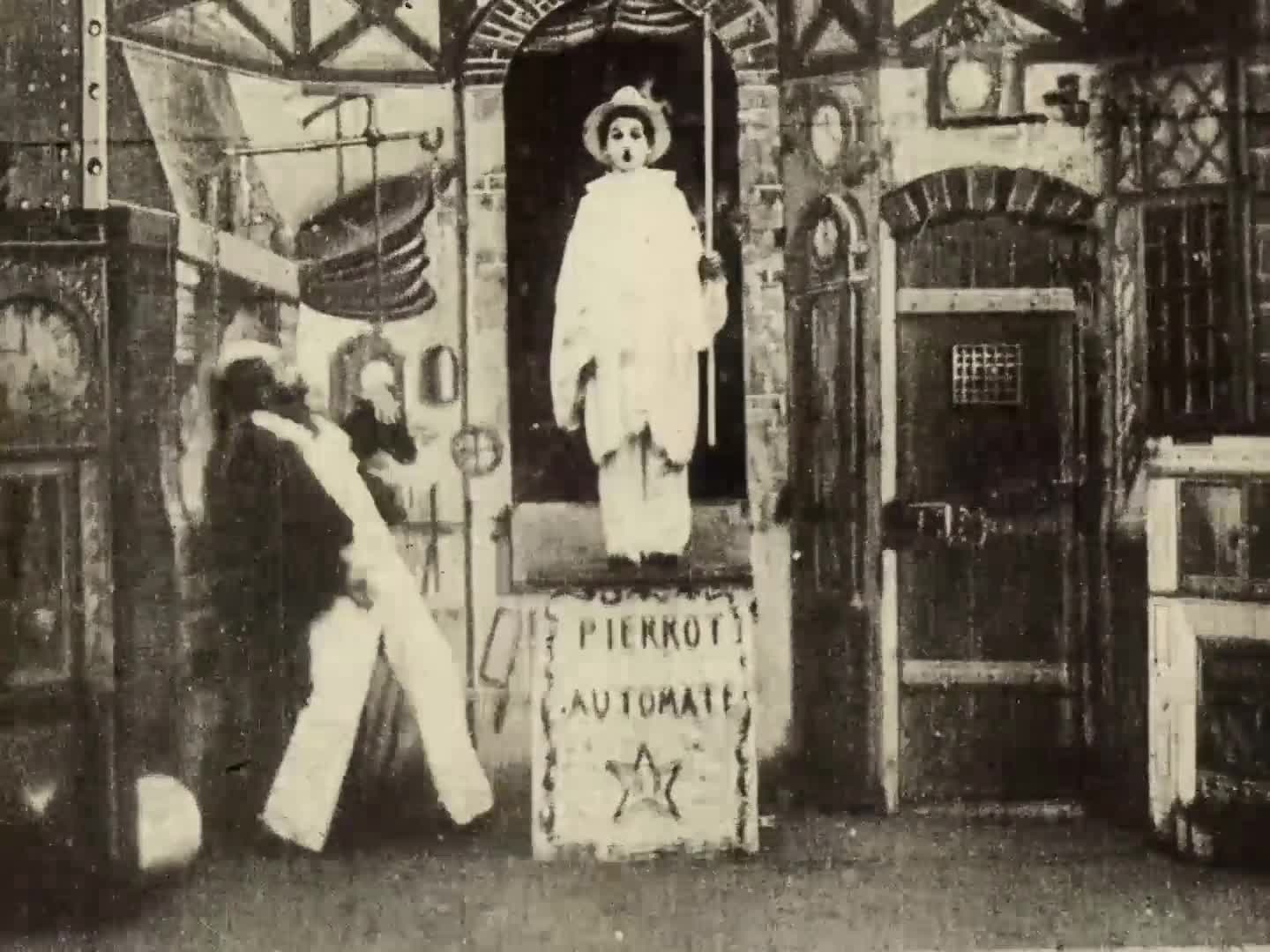
BOOTLEG FILES 935: “Gugusse and the Automaton” (1897 short film by Georges Méliès).
LAST SEEN: On the Library of Congress website.
AMERICAN HOME VIDEO: None.
REASON FOR BOOTLEG STATUS: It was one of many films from the late 19th century that were bootlegged.
CHANCES OF SEEING A COMMERCIAL DVD RELEASE: Maybe someday in an anthology of rediscovered lost films.
During the height of his film production career, the pioneering French producer/director Georges Méliès fought a losing battle against miscreants who made bootlegged copies of his films and profited in selling these unauthorized prints. The bootlegging was particularly acute in the American market, where Méliès was forced to set up a sales office to fight against the characters who were pirating his work.
Continue reading

BOOTLEG FILES 926: “Metropolis 2027” (Fritz Lang’s 1927 science fiction classic, updated with color and a dialogue track).
LAST SEEN: On YouTube.
AMERICAN HOME VIDEO: None.
REASON FOR BOOTLEG STATUS: A fan film made without the clearance of the rights owners of the original classic.
CHANCES OF SEEING A COMMERCIAL DVD RELEASE: Nein.
The other day, I received an email from a person named Garrett Guynn, who reminded me that I wrote a Bootleg Files review in September 2019 of “MetropolisRemix,” which took Fritz Lang’s 1927 silent black-and-white classic and reimagined it as a color film with spoken dialogue. Mr. Guynn included a link to my review, which was helpful because I had no memory of his film. And when I reread my review, I could only vaguely recall the production.
Continue reading
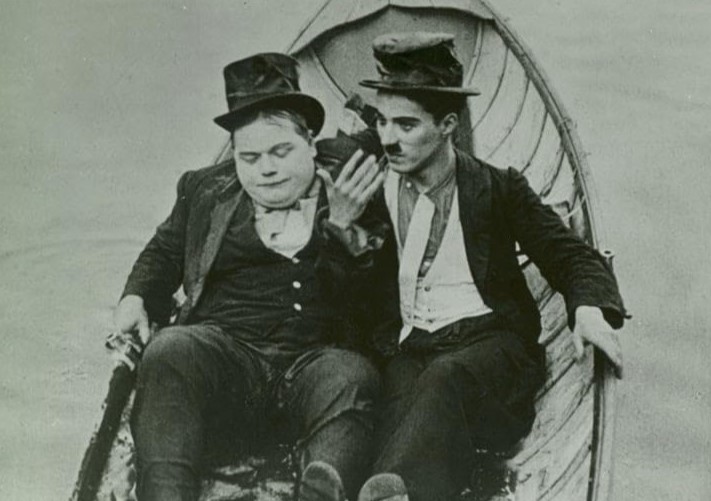
Mr. Full (Charlie Chaplin) and Mr. Fuller (Roscoe “Fatty” Arbuckle) are shabby gentlemen who dress in battered formalwear. However, they are both unapologetic drunks who commit acts of mischievous violence against anyone who cross their paths. They are neighbors in a hotel, where their long-suffering wives wait for them with irritation and intimidation. The men respond to this display of spousal anger with greater agitation – Mr. Fuller going so far as to choke his spouse. The pair grow tired of their domestic chaos and steal money from their wives’ purses, heading off to a restaurant where they wreak havoc on the unsuspecting patrons. The wives and the restaurant patrons chase the duo to a park, where they abscond with a rowboat and sail off across a pond, only to fall asleep in their pilfered vessel as it slowly sinks beneath the water’s surface.

BOOTLEG FILES 922: “No Indians Please!” (1948 silent truncated version of Abbott and Costello’s “Ride ‘Em Cowboy”).
LAST SEEN: On YouTube.
AMERICAN HOME VIDEO: None.
REASON FOR BOOTLEG STATUS: No perceived commercial value.
CHANCES OF SEEING A COMMERCIAL DVD RELEASE: Nope, sorry.
If you’ve been following this column, you may recall that I’ve been on a mini-Abbott and Costello kick. Two weeks ago, I reviewed the new AI-fueled parody “Abbott and Costello Meets the Exorcist” and last week I dug up a video record of a Texas theater company’s 1984 live stage production of “Abbott and Costello Meet Frankenstein.” I was going to put Bud and Lou back on the shelf until I saw a notice announcing that November is Native American Heritage Month – and that seemed like the perfect cue to unspool the team’s 1948 release of “No Indians Please!”
Continue reading
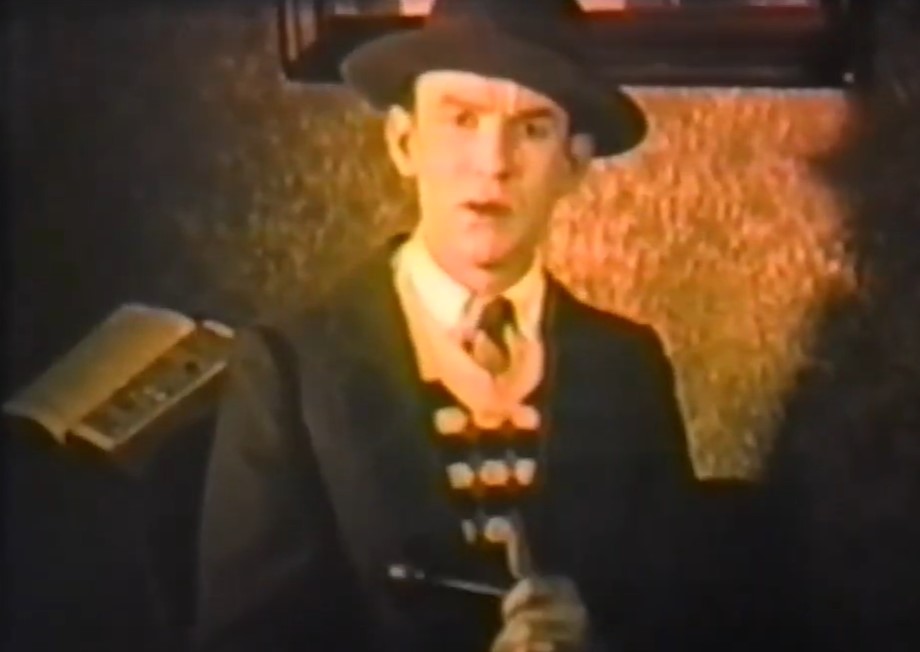
This silent two-reel comedy from Hal Roach’s fun factory is better known for the talent involved in its production than its contents: character actor James Finlayson has a rare starring role, vaudeville funnyman Ted Healy made his film debut, and Stan Laurel was behind the camera as the director.
Continue reading