
On prom night in 1969, three football players lure their dates away. While trying to escape, one girl, Mary Banner, is locked in a trunk. 35 years later, her spirit awakens seeking vengeance.
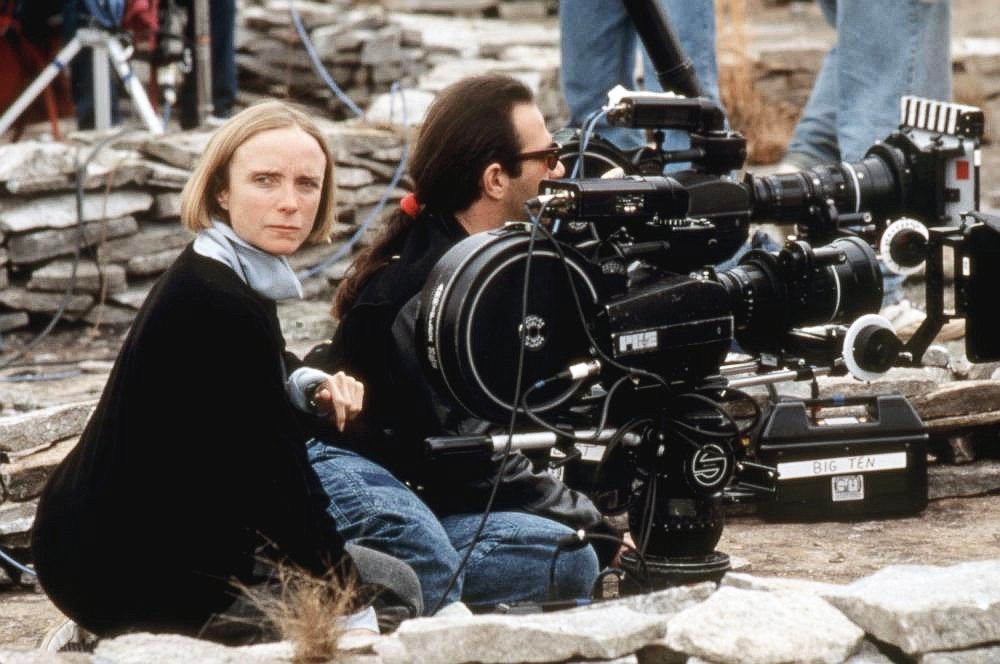
Urban Legend never took off as a franchise the way producers hoped. Capitalizing on the slasher revival brought about by Scream, the series got a bit lost in the shuffle. Unfortunately, this third and final installment proved to be the proverbial nail in the coffin. On paper, the film had all the ingredients for success: Mary Lambert, known for directing Pet Sematary and Pet Sematary Two, behind the camera; a screenplay by Michael Dougherty and Dan Harris; and a young Kate Mara in the starring role of Sam. Dougherty would go on to write and direct genre films like Trick ‘r Treat, Krampus, and Godzilla: King of the Monsters. He and Harris also co-wrote X2 and Superman Returns. Mara, of course, would go on to build an extensive career across film and television. No, seriously. What happened?
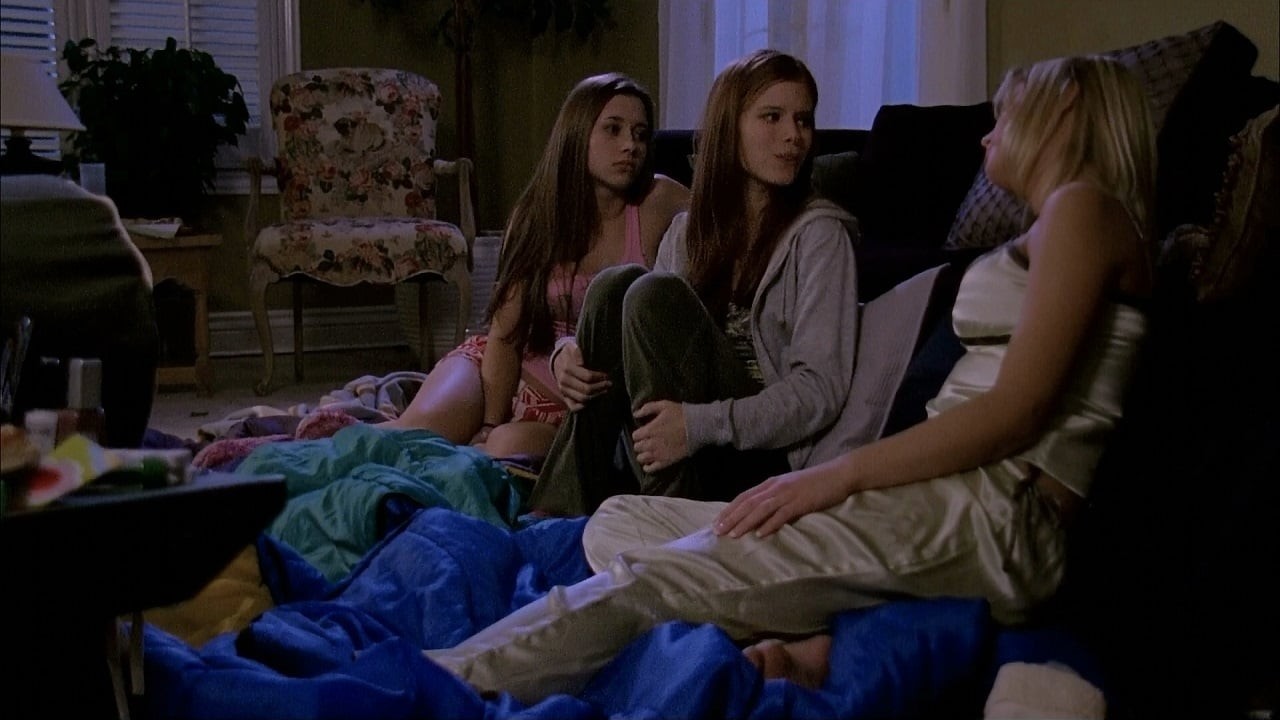 What becomes clear is that the film’s strongest elements are Lambert’s direction and Mara’s performance. Lambert understands how to build suspense and control tempo. Working with a budget nearly $10 million less than its predecessors, she uses those limited resources well, playing with camera angles to help set the tone. This film takes a much darker approach than the previous two, dealing with themes of sexual violence and female rage. Lambert anchors those elements skillfully, allowing the anger beneath the story to feel genuine even as the plot becomes increasingly outlandish.
Mara gives a grounded and committed performance. Indeed, the entire cast is doing the best with the material they are handed, trying to play the moments with believability even as the situations become increasingly ridiculous. There is an admirable lack of winking at the audience; everyone treats the material with a seriousness that helps keep the film from tipping completely into camp, although an argument could be made that leaning more into camp would have at least made the film more fun.
That seriousness extends beyond the performances. The first two films knew what they were and leaned into it, taking inspiration from the Scream franchise with meta humor and a willingness to poke fun at themselves. Urban Legends: Bloody Mary, by contrast, takes itself surprisingly seriously. Even the visual palette is overwhelmingly dark and drab, draining some of the fun from a premise that seems almost tailor-made for camp. The sudden shift in tone further separates this third installment from the other two.
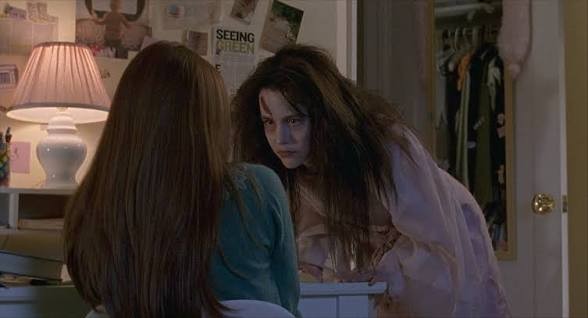 The biggest issue is the screenplay. The story is trying to be too many things at once and never seems to know what it wants to be. Is it a supernatural film? A revenge film? A murder mystery/whodunnit? This lack of clarity in the storytelling leaves the entire film feeling unfocused and muddled. The first two movies had absolutely no supernatural elements at all, so the sudden inclusion of this plot point felt strange and disconnected from the world that had been built. If the movie had been a strict revenge/whodunnit film, it at least would have fit into the world much better. The result feels like two films mashed together into one.
It is hard to come away recommending Urban Legends: Bloody Mary. If you are a genre completist, it is not the weakest third installment you will ever see, and there are redeeming qualities. If you want a snapshot of the deaths, scares, and plot devices that dominated early-2000s horror, the film plays almost like a patchwork of the era’s biggest trends. That may make it an interesting time capsule, but unfortunately, not necessarily a good movie.