
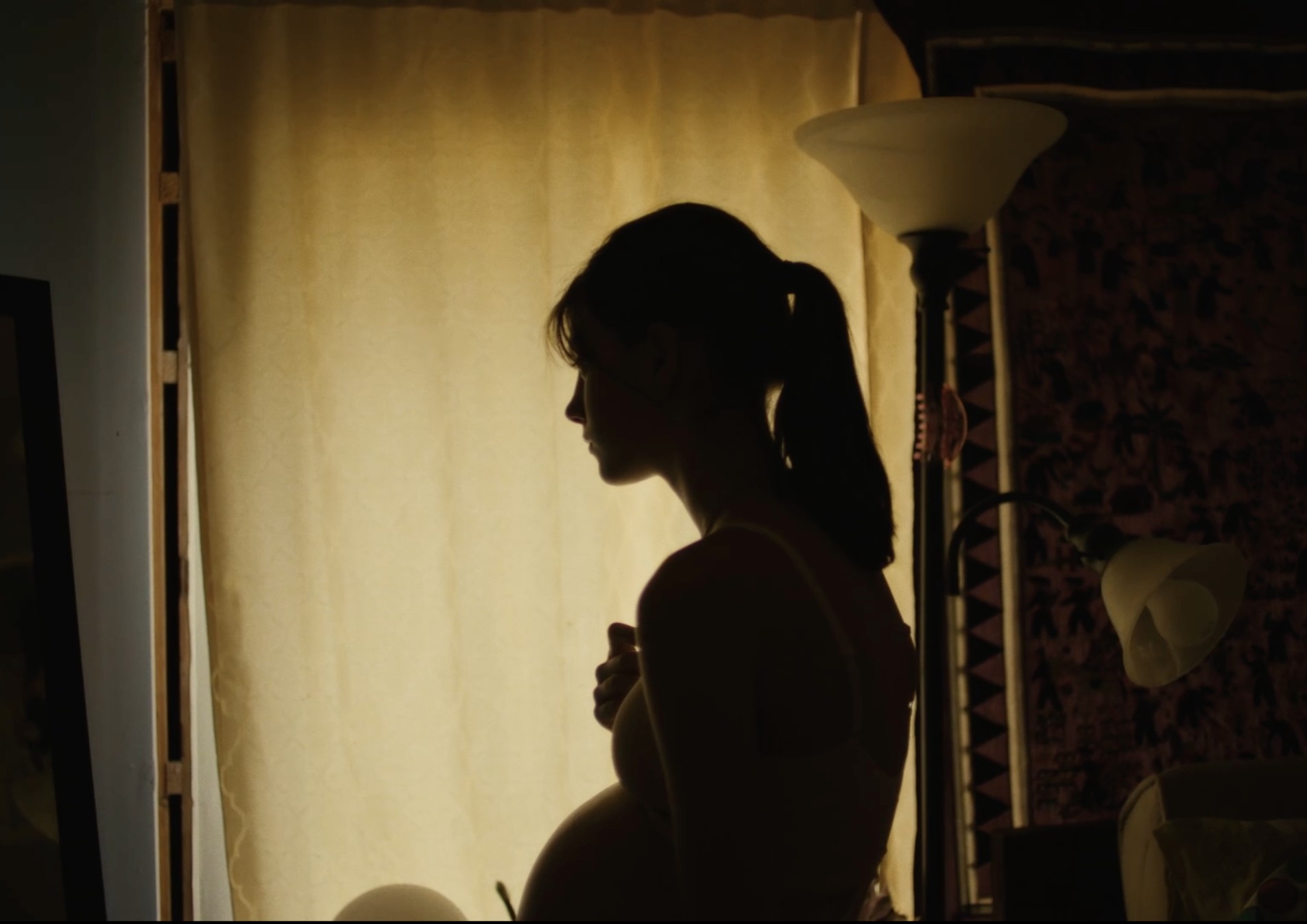
 Oli is 15 years old and pregnant in a small, conservative Texas town. She is forced to navigate an increasingly judgmental community and growing isolation while searching for the teenage father of her child, who has disappeared.
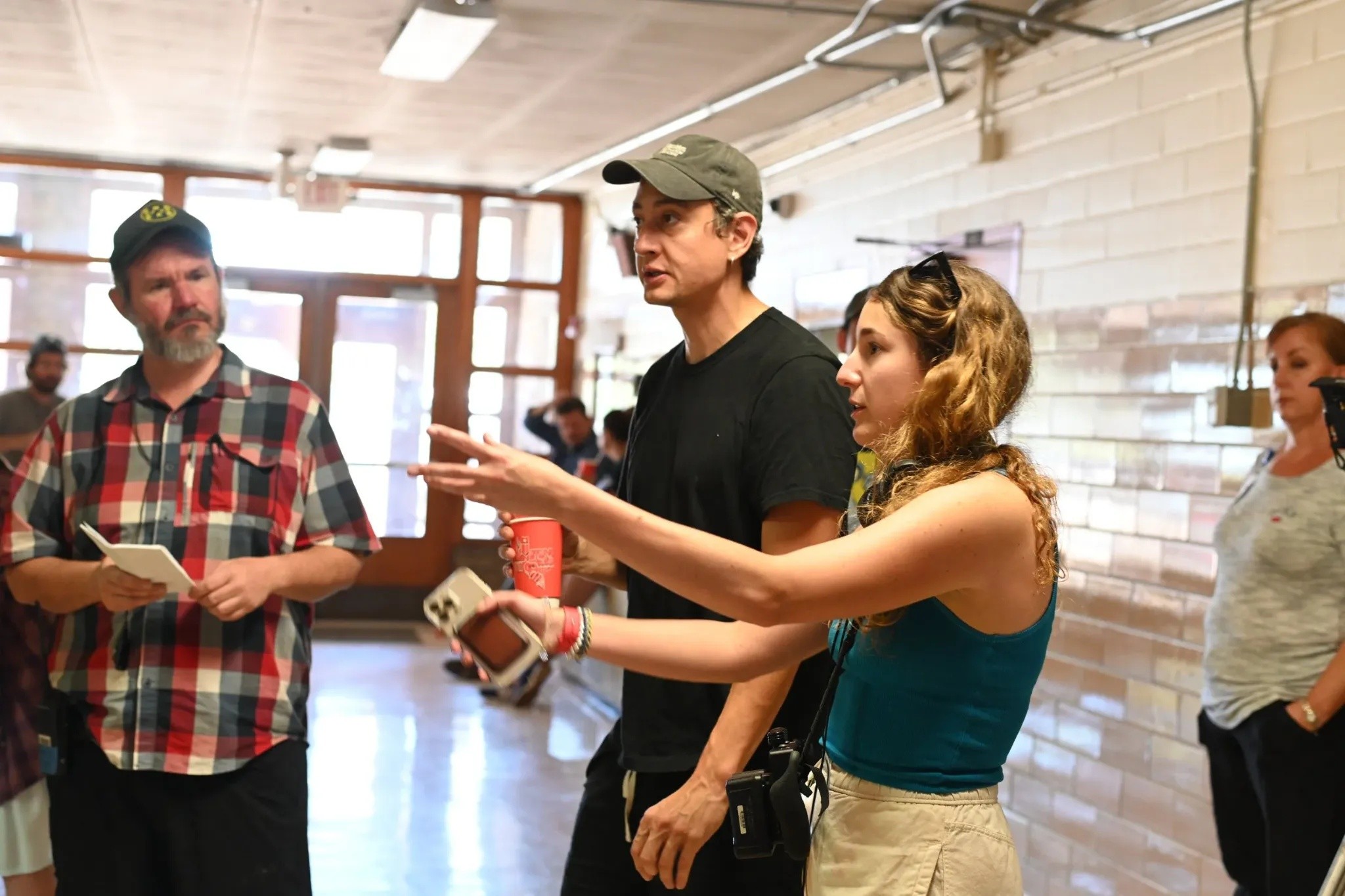
Teen pregnancy as a theme is nothing new. From Juno to Saved! to, let’s face it, the OG of them all, Mother Mary, the journey of a young mother is a common theme in film and literature. It is a coming-of-age story that also shines an uncomfortable light on how society views and treats these young mothers. Oli’s story is one of many that came before, but Ellen Rodnianski’s feature directorial debut feels both timeless and timely.
Rodnianski spends much of the film moving back and forth in time, gradually revealing the circumstances that led to Oli’s pregnancy. We meet Toby, the baby’s father, as he is being bullied, and the two teenagers form a bond after an incident that leaves them locked in a garage together. Meanwhile, Oli’s mother, a divorced Ukrainian immigrant who escaped an abusive marriage, has found a sense of community in their small-town church. These overlapping stories create a portrait of teenagers navigating complicated circumstances with very little guidance. The nonlinear storytelling works on multiple levels, giving the audience a front-row seat to how quickly Oli is forced to grow up while offering an intimate look at the stark differences in how she is treated before and after her pregnancy is revealed.
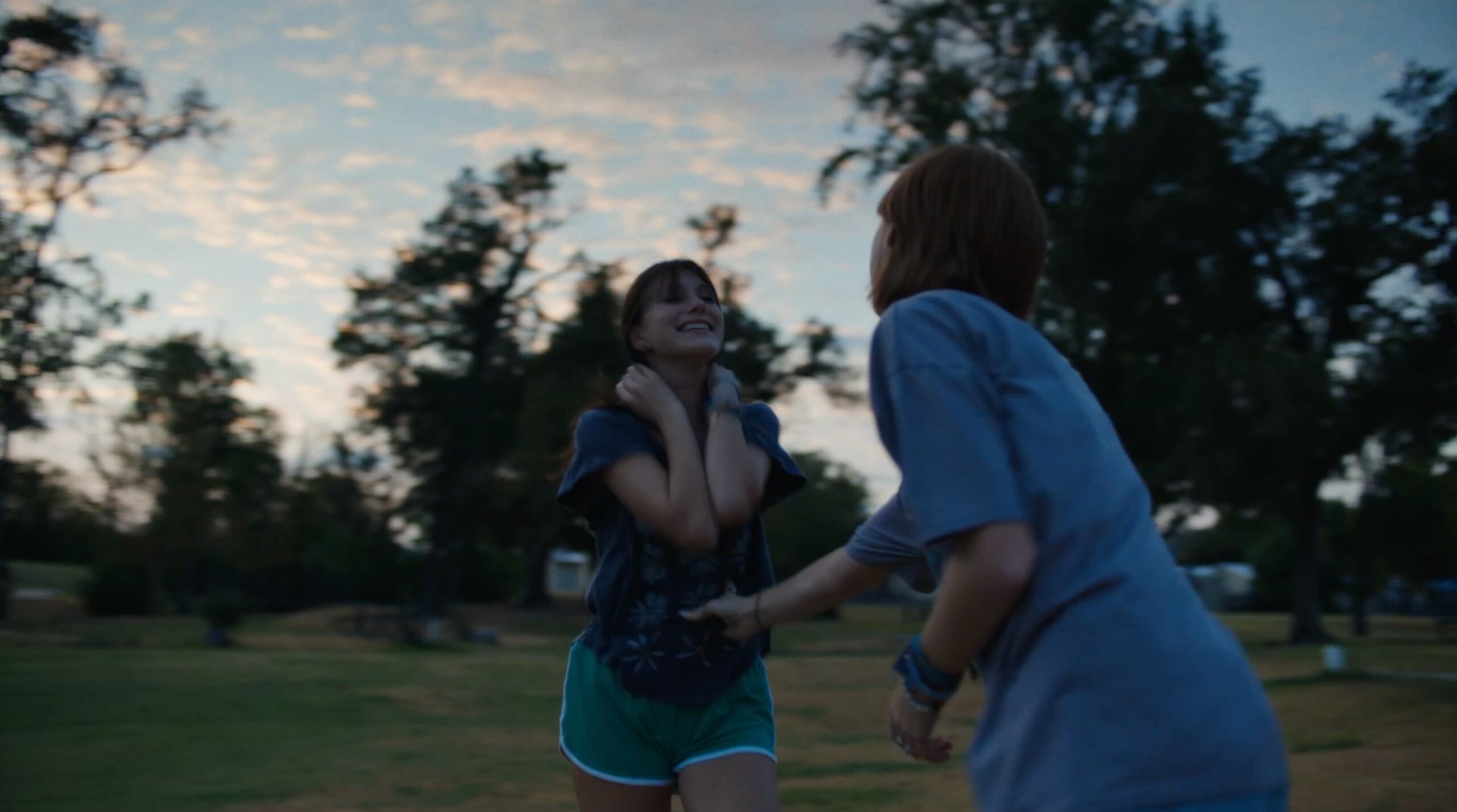 There is a refreshing lack of judgment in how Rodnianski approaches Oli and Toby. These are teenagers being teenagers, making decisions with the limited information available to them. At one point, Oli is told that a girl can’t get pregnant if she’s on top during sex because gravity will prevent it. It’s an absurd moment, but one that illustrates how thoroughly young people can be failed when basic information is withheld from them. Moments like these expose the consequences of ignorance and misinformation without sacrificing the film’s naturalistic approach.
Rodnianski co-wrote the screenplay with Tanya Leonova, and the writing is a large part of what makes the film feel so authentic. The teens feel like teens. There is no push to make them overly clever or quippy, although there are plenty of darkly humorous moments. The dialogue never feels forced or weighed down by distracting slang. They’re just kids trying on adulthood, discovering that their journey there may be accelerated by some very adult choices.
It would be easy for a story like this to become one where the screenplay tells the audience what to think about the hypocrisy and judgment Oli faces. Instead, we simply live through it with her. We sit with her as the principal tells her to stop coming to school. We watch as she’s berated for “ruining” Toby’s life. The tight-knit religious community ostracizes Oli and her mother at a time when they need its support the most. Leonova and Rodnianski allow these moments to speak for themselves, trusting the audience to recognize the contradictions without being told what to think.
 In a quiet, slice-of-life film like this, much depends on having the right cast. Abigail Pniowsky is phenomenal as Oli, delivering a grounded, naturalistic performance that never feels overplayed. One scene, in which a desperate Oli repeatedly slams her body against a table in an attempt to end her pregnancy, is utterly heartbreaking. Elisha Henig is equally convincing as Toby, bringing an endearing vulnerability to the role. Together, they capture the awkwardness and uncertainty of young teenagers navigating a very adult situation, and their interactions feel wonderfully genuine. Rounding out the ensemble are Claire Capek as Oli’s friend Miriam and Janel Koloski as her mother, Tammy. The chemistry between the cast is palpable, and their relationships capture the familiarity and complicated dynamics of life in a small American town.
Overall, American Baby is a strong feature debut from a director who understands the importance of life’s intimate human moments. In a story like this, there are no giant action scenes or spectacle to hide behind. Rodnianski demonstrates that the quiet moments can be just as impactful as the loud ones. By allowing Oli’s story to unfold without judgment or unnecessary melodrama, she creates a film that is both deeply compassionate and quietly affecting.