

A routine mugging on a dimly lit South London street quickly unravels into a chaotic night of survival.
Set against the backdrop of Guy Fawkes Night fireworks and council estate tower blocks, Attack the Block (2011) transforms a small-scale street crime into an all-out alien invasion. Written and directed by Joe Cornish, the film blends science fiction, action, and sharp British comedy into a fast, funny, and surprisingly heartfelt adventure. Though it underperformed at the box office upon release, it has since earned recognition as an underrated cult favorite. The film wastes no time establishing its tone. A masked teen gang mugs trainee nurse Samantha Adams. Their crime is abruptly interrupted when a meteorite crashes nearby, unleashing a strange, dog-sized alien creature. What initially feels like opportunistic mischief escalates into something far more dangerous when larger, more aggressive extraterrestrial predators descend upon the estate in search of revenge. By morning, this group of teenagers will be forced to defend the very community they once terrorized.
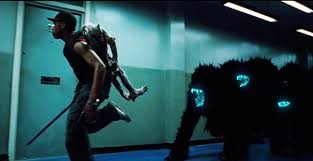
John Boyega delivers a commanding performance as Moses, a teenage gang leader who begins the film as a threatening presence but gradually reveals layers of vulnerability and responsibility. Boyega portrays Moses as street-smart, quick-thinking, and fiercely protective. As the alien threat intensifies, Moses evolves from aggressor to defender, embodying reluctant heroism. His transformation never feels forced; instead, it emerges organically as he recognizes the gravity of the situation and the lives at stake. Boyega’s presence anchors the film, giving emotional weight to the explosive action.
Jodie Whittaker’s Samantha shifts from victim to active participant in the fight for survival. Initially terrified and wary of the teens who attacked her, she gradually forms an uneasy alliance with them when confronted by a greater enemy. Whittaker plays Samantha with grounded realism, resourceful, practical, and resilient. Her medical knowledge and quick thinking prove vital, and her dynamic with Moses becomes the film’s emotional core. Their unlikely partnership underscores one of the film’s strongest themes: common threats can bridge social divides.

The dialogue is sharp, infused with authentic South London slang, grounding the sci-fi premise in a recognizable cultural landscape. Rather than caricaturing its characters, the film gives them depth and dignity, portraying the estate not as a crime-ridden stereotype but as a vibrant community worth defending. Attack the Block embraces the contrast between urban grit and sci-fi spectacle. The shadowy corridors of high-rise buildings are lit with bursts of fireworks from outside, bathing the action in flickering reds and oranges. The aliens themselves are striking in design, pitch black with glowing neon-blue teeth, making them both menacing and visually memorable.
At its heart, Attack the Block is about perception and redemption. It challenges the audience’s initial assumptions about its young protagonists, revealing courage and loyalty beneath bravado. While the film doesn’t linger heavily on social commentary, it subtly addresses themes of marginalization, systemic neglect, and the power of unity. The aliens may be monstrous, but the real tension lies in whether these teens can rise above the labels imposed on them. The pacing is brisk and relentless, rarely allowing a lull between encounters. Yet amidst the chaos, moments of camaraderie and humor prevent the film from becoming overly grim.
Attack the Block delivers action, scares, and laughs in equal measure, while quietly celebrating resilience and community. In the end, the question isn’t whether these teens can defeat the aliens, it’s whether they can redefine who they are in the process.