
 In Pangnirtung, Nunavut, a remote hamlet in Canada, four Inuit teenage girls stumble across a body-swapping, tentacled alien parasite that infects local wildlife and humans, wearing its victims’ skin like a mask.
It’s the summer solstice, which means the next 24 hours will be filled with daylight. Right off the bat, the audience is given a glimpse into the world of these girls. Their community is small, and everyone knows each other. The girls do what teenagers do, chatting about boys, riding around on their bikes, and giving each other a hard time. If not for their encounter with a polar bear infected by an alien parasite, this could be any other coming-of-age movie.
Director and co-writer Nyla Innuksuk understands that the strength of the story lies in its characters. These are girls struggling with the pains of adolescence while also grappling with questions of identity. They feel the desire to find their independence within the community they’ve grown up in, even as the adults in their lives try to pass down their traditions and values. Maika, the undisputed leader of the group, feels this tension particularly strongly. The opening scenes show her hunting on the water with her father, but their relationship has become strained as she struggles to connect with him. After all, being a teenager is hard enough without throwing an alien invasion into the mix.
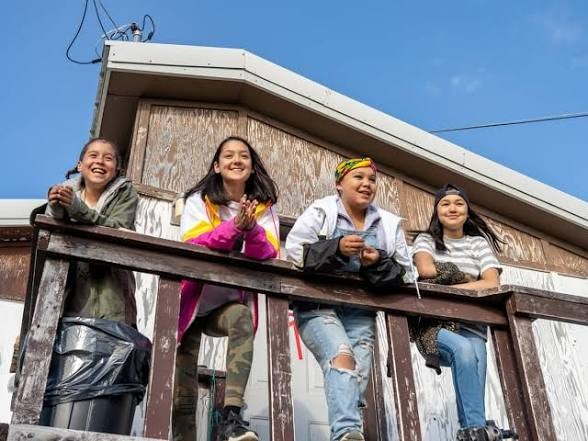 One element that mattered to Innuksuk as she made the film was preserving that sense of community, even behind the scenes. The cast was Indigenous and, for the most part, made up of nonprofessional actors, while much of the crew was Indigenous as well. Innuksuk has crafted an Indigenous story with themes that resonate beyond its setting.
Innuksuk found much of her cast through acting workshops, and the chemistry between them shines on screen. These are young teenagers navigating the world they know. This is their home, their territory, and the audience feels that familiarity. Particularly in scenes where the girls are simply talking with each other, their interactions lend the film a sense of realism. They’re just kids talking. Tasiana Shirley is a particular standout as Maika, bringing infectious energy to the screen. Her relationship with the rebellious Uki, played enthusiastically by Nalajoss Ellsworth, feels so genuine that it’s easy to believe these girls have known each other their entire lives. That kind of effortless chemistry isn’t something that can be manufactured.
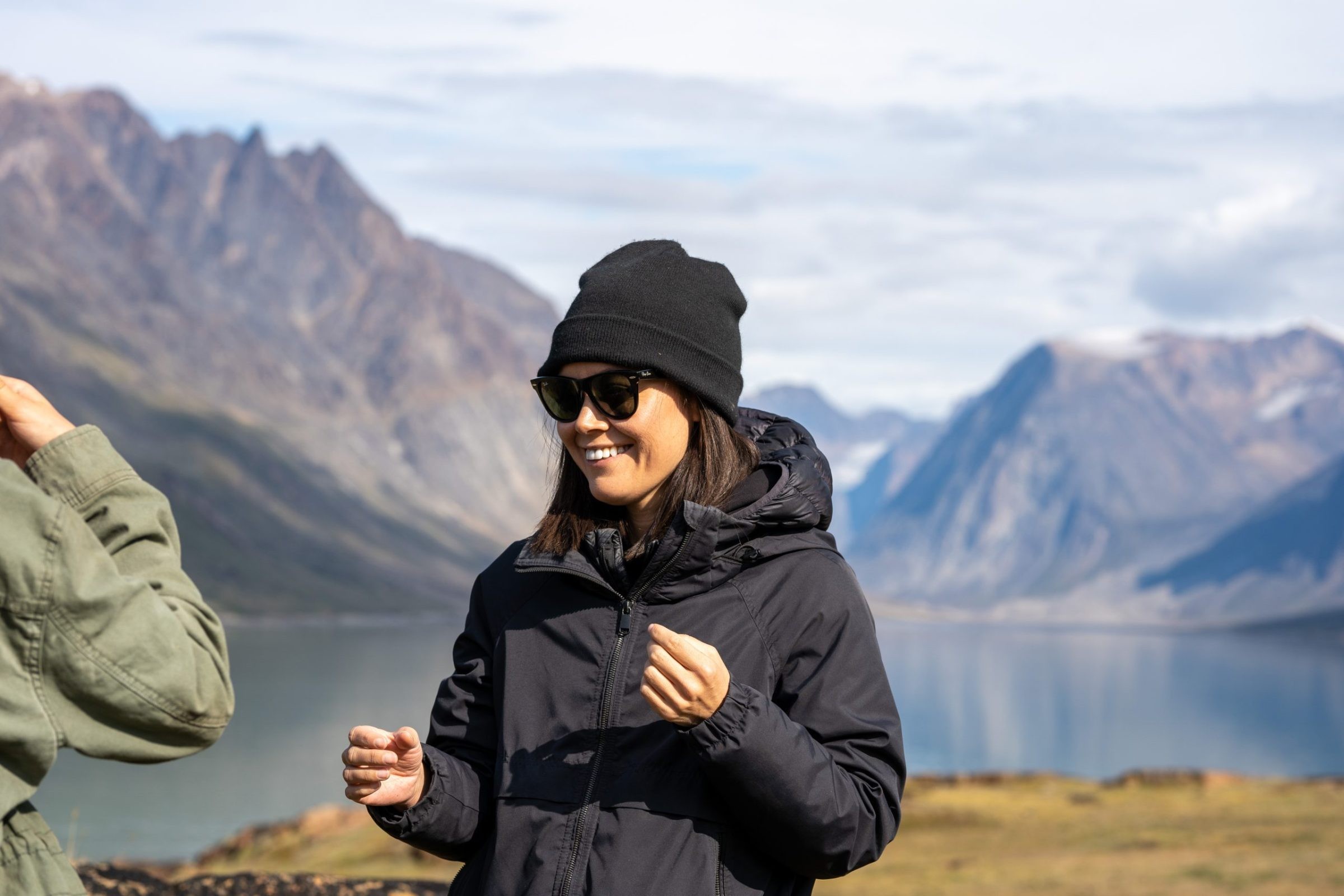
Innuksuk makes smart use of the region’s stunning natural scenery, showcasing an area many people associate primarily with darkness, snow, and ice. Seeing the landscape in the summertime offers a different perspective on a place rarely depicted this way on screen.
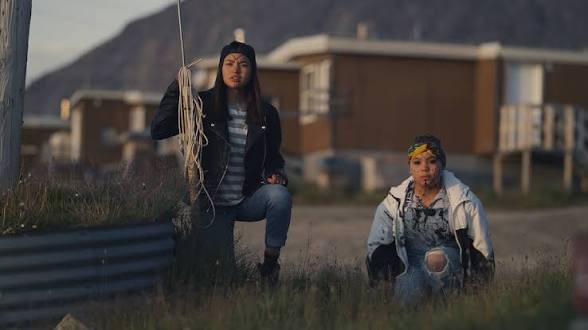 Of course, the alien element of the film cannot be overlooked. Drawing obvious inspiration from John Carpenter’s The Thing, these monsters have no darkness to hide in. This works both for and against the film. There’s something especially terrifying about a monster appearing in broad daylight, seemingly unconcerned with being seen or identified. The downside is that any flaws in the effects are much harder to conceal without the benefit of shadows. Certain moments featuring aliens inhabiting the skin of various animals and humans are appropriately unsettling, but a few close-up shots veer into the silly rather than the scary. Fortunately, the effective cinematography and a soundtrack featuring prominent Indigenous artists, including The Halluci Nation and Tanya Tagaq, help maintain the film’s atmosphere.
Overall, Slash/Back is a delightful piece of storytelling that highlights talented Indigenous artists. It’s hard not to be charmed by these young people and the way they band together to defeat the aliens. This isn’t a film that relies on flashy effects or elaborate chase sequences. It’s simpler than that, and that’s exactly why it works. At its heart, this is still a coming-of-age story. Just one that happens to have aliens. Honestly, if one had to choose between middle school and aliens, the aliens feel like the obvious choice.