

A young filmmaker captures protests while working his way to the head of the NIH to plead for more research into AIDS medications.
Written and directed by Trace Pope, this short film takes a very specific time in the AIDS crisis, when people, gay and ally, were over the lack of action from the people in charge and started pushing harder and louder. The writing and directing are interesting, and the story takes an approach that leads the viewer to expect something quite different and a take on the subject that feels like it connects with the style of the film once the story gets going. The film as a whole feels panicked in a way; it has an energy that is hard to pinpoint, one that can lead to losing the attention of the viewer at times if they are not 100% invested. Thankfully, this becomes easier to manage upon rewatching it. The way the story blends the dramatic scripted side of it with what looks to be potential archival footage from 1990, and the protest(s) helps create that energy and a bit of chaos that could be considered good for the film for those who have the capacity to keep focus.
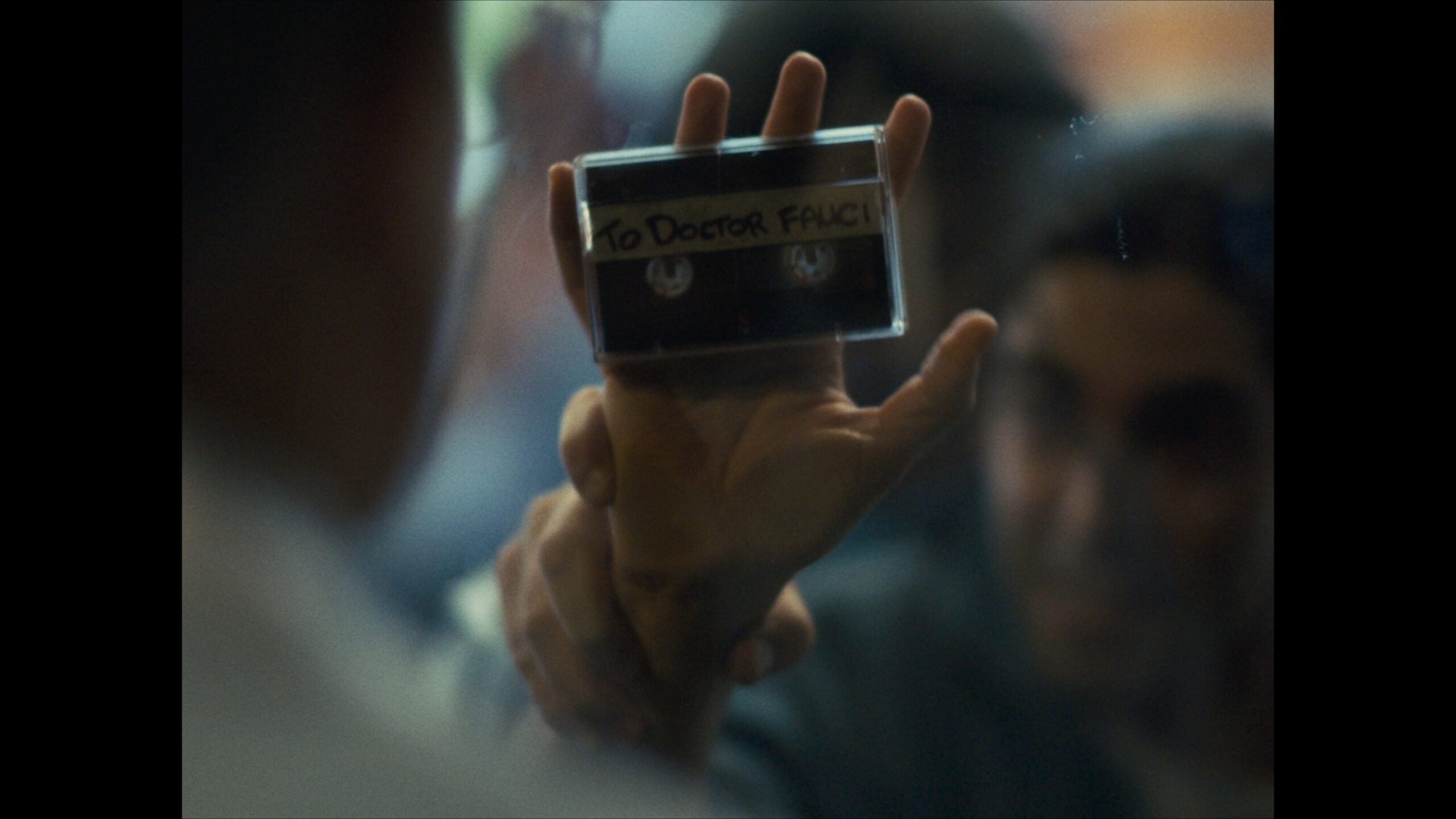
The cast here is somewhat minimal in terms of the main players. Quite a few people are seen in scenes having minimal interactions and, in the background, filling out the world the story is representing. The main cast is solid, giving really good performances that work for the film and subject at hand. The lead of Jamie is played by Elliot Roy Rensky who has and gives the right energy for the part and for the film. Playing a character based well-known figure, Dr. Fauci, is Henry Storrs who does decent work as well, but something in his performance comes off maybe smarmy, for lack of a better term, or perhaps his energy is off compared with the other cast members. The supporting cast does decent as well, giving performances made to pull forward that of Rensky and allowing for his character to be the center of everything to help pass the message.
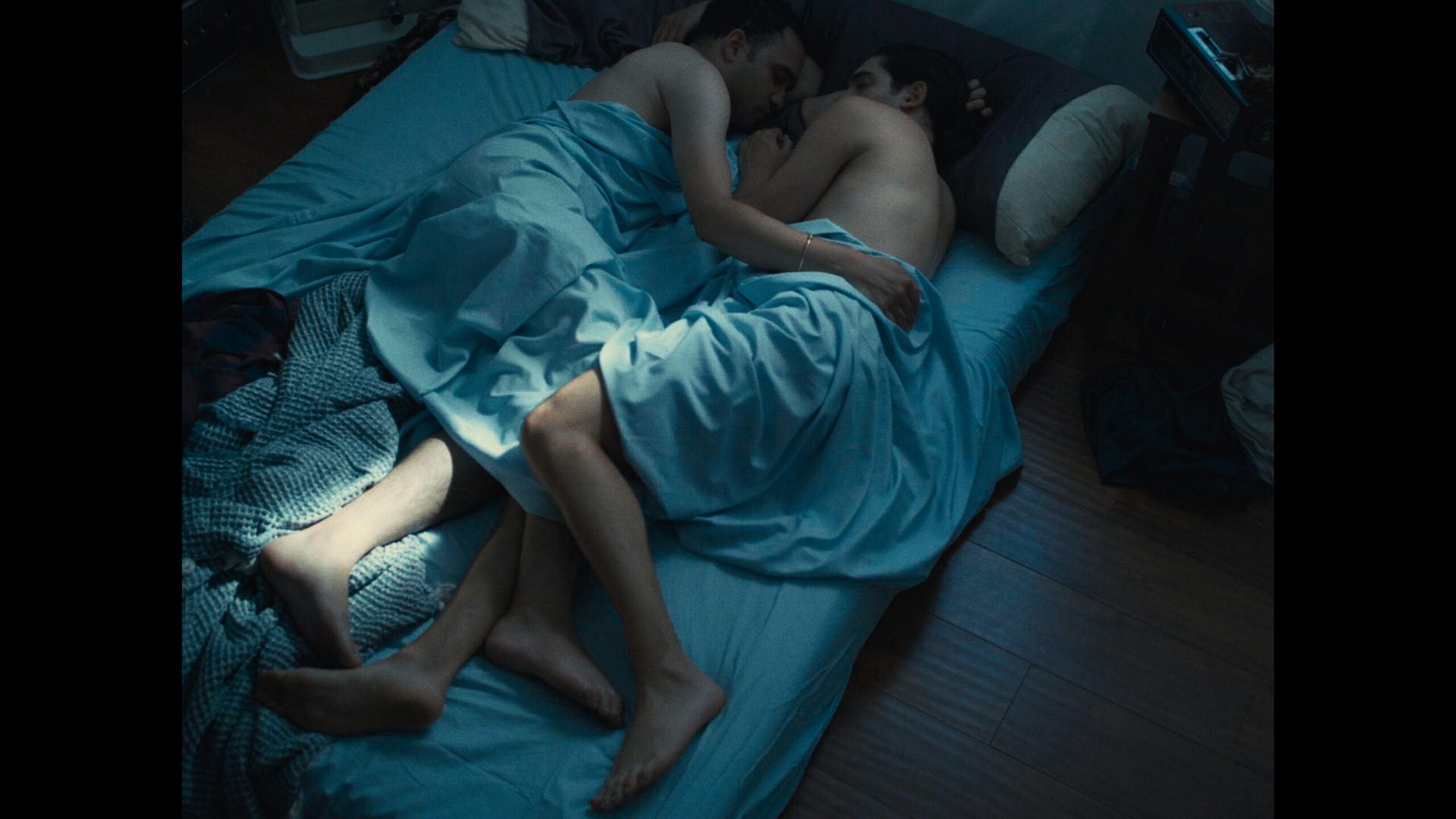
The cinematography here feels a bit all over the place with work by Devon Johns and what looks to be archival footage. The dychotomy of these images ends up feeling at odds with each style, creating a visual world that is both interesting and harder to keep up with. It’s like two worlds colliding and the camera watching it all not being sure where it wants to be and how to want to bring it all to the screen. The editing by Eliza Loyola and Trace Pope brings these sequences together with a bit of chaos and a bit frenetic energy, giving the film this feeling of urgency.
Silence = Death is an interesting short film that may not be for everyone due to how it is filmed and edited, but the subject is important and the fact it manages to create a mood, educate, and pass a message means this 16 minutes short film succeeds in more than features often do with 7 times the runtime.