
Back in the early 1990s, I was on a line at an IMAX theater in San Antonio, Texas, for a one-night-only screening of “2001: A Space Odyssey” in its original 70mm format. A local couple was standing behind me and asked if I was familiar with the film. I said that I had already seen it and asked if they were also familiar with the production. They said they never saw it, but I noticed there was a strange apprehensive expression on their faces, as if they were having second thoughts about seeing the film.
“Here’s my advice,” I said to them. “Don’t expect ‘Star Wars’ – and the film’s ending makes no sense.”
After the screening, I ran into the couple in the lobby. They thanked me profusely for my advice, noting that it helped them appreciate what they just sat through.
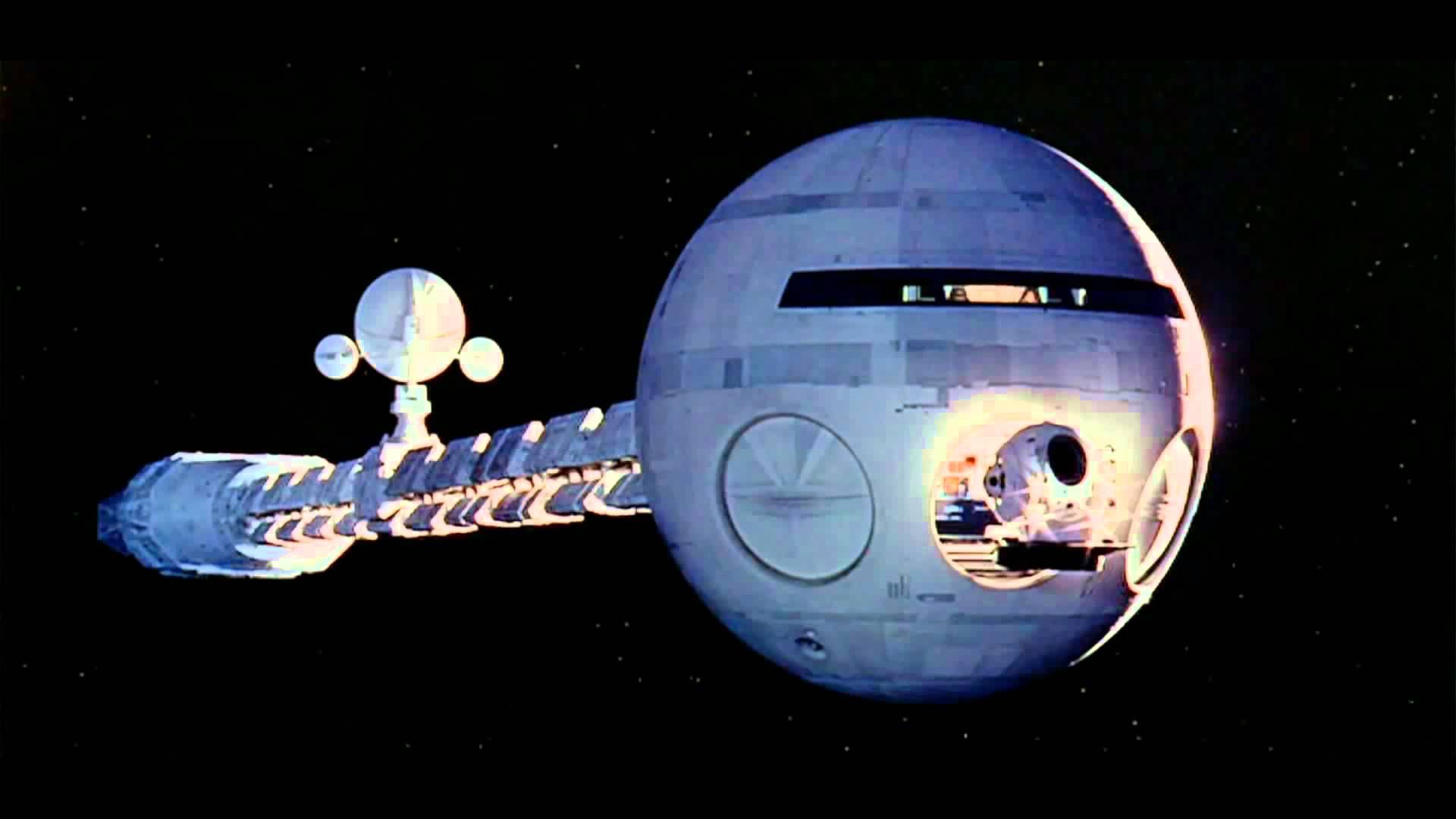
But what is the audience sitting through when it visits Stanley Kubrick’s brilliantly bizarre epic? Technically, it is a science fiction film – except that it breaks all of the rules of science fiction by what it presents (the sound-free vastness of the galaxy, spaceships gliding in balletic serenity instead of zooming in supersonic ferocity, etc.) and by what it doesn’t present (most notably, the beings that created the monolith).
Unlike “Star Trek,” Kubrick’s concept of space doesn’t represent the final frontier. Instead, it is an extension of the worst of the contemporary world: corporate America’s tacky marketing (pay heed to the subtle placement of conglomerate logos in the space station), U.S. military paranoia (the secrecy around the discover of the lunar monolith) and the ubiquity of television (the “BBC 12” broadcast to the Jupiter-bound spaceship).
However, there was at least one thing that was too fantastic to conceive: Kubrick’s vision of 2001 included a Kremlin-fueled space rivalry, confirming fears that the Russians would always be around to challenge American know-how!
And still, the enigma of the film’s storyline remains the film’s most prominent feature – it is a mystery formed by the deliberate deletion of background material from the Arthur C. Clarke novelization. That omission was financial, based on the need to wrap production in a hurry due to a cut-off in MGM funding. With more money and more time, who knows what Kubrick would have pulled off? Fortunately, everything fell into place, even if the pieces wound up where they weren’t originally expected.
When viewing the film today, I remember that Texas couple and wonder what they were thinking when there was the last-minute arrival of a giant floating fetus hovering in the heavens while “Also Sprach Zarathustra” blared on the soundtrack. Perhaps the beauty of “2001” is appreciating that some of the best stories are the ones that are half-told. That type of a void provokes people to move away from passive observance and tighten their thinking caps. As a result, “2001” really doesn’t end – it keeps going with the viewer long after the closing credits wrap. And that is, truly, the greatest cinematic gift imaginable.