
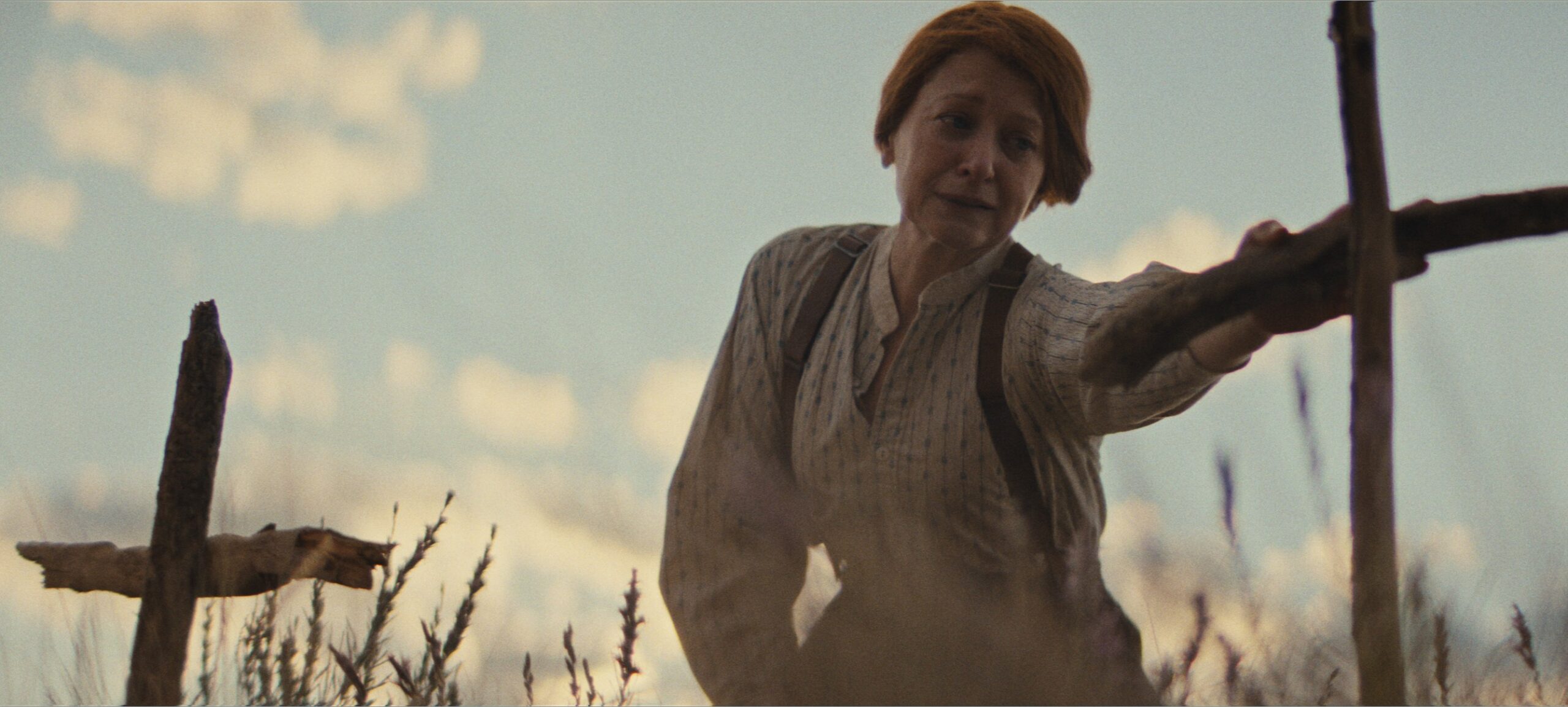
 In the late 1800s, a woman is being told she will be forced to leave her homestead to make way for the progress that is the railway. This forces her to look back on her life and see what she can let go of, or not.
Written and directed by Natalie Schwan, Last Stan at Butte City is a delicate take on a rough time in American history, one showing life as seen by a woman who set up home full of hope, lost everyone that mattered and a bit of herself in the process. The film takes its time in approaching the themes of loss, grief, trauma, and survival to it all. The writing and direction by Schwan are fantastically careful and full of connection to the emotions in the film. Her work shows care, talent, and attention to details in more ways than one, showing that a film about women and so-called women issues can connect through the centuries when the characters are well-written and the film is well-directed. She shows so much emotion in the short runtime of the film that it’s easy to get lost in its images and sort of hope there was more runtime to it.
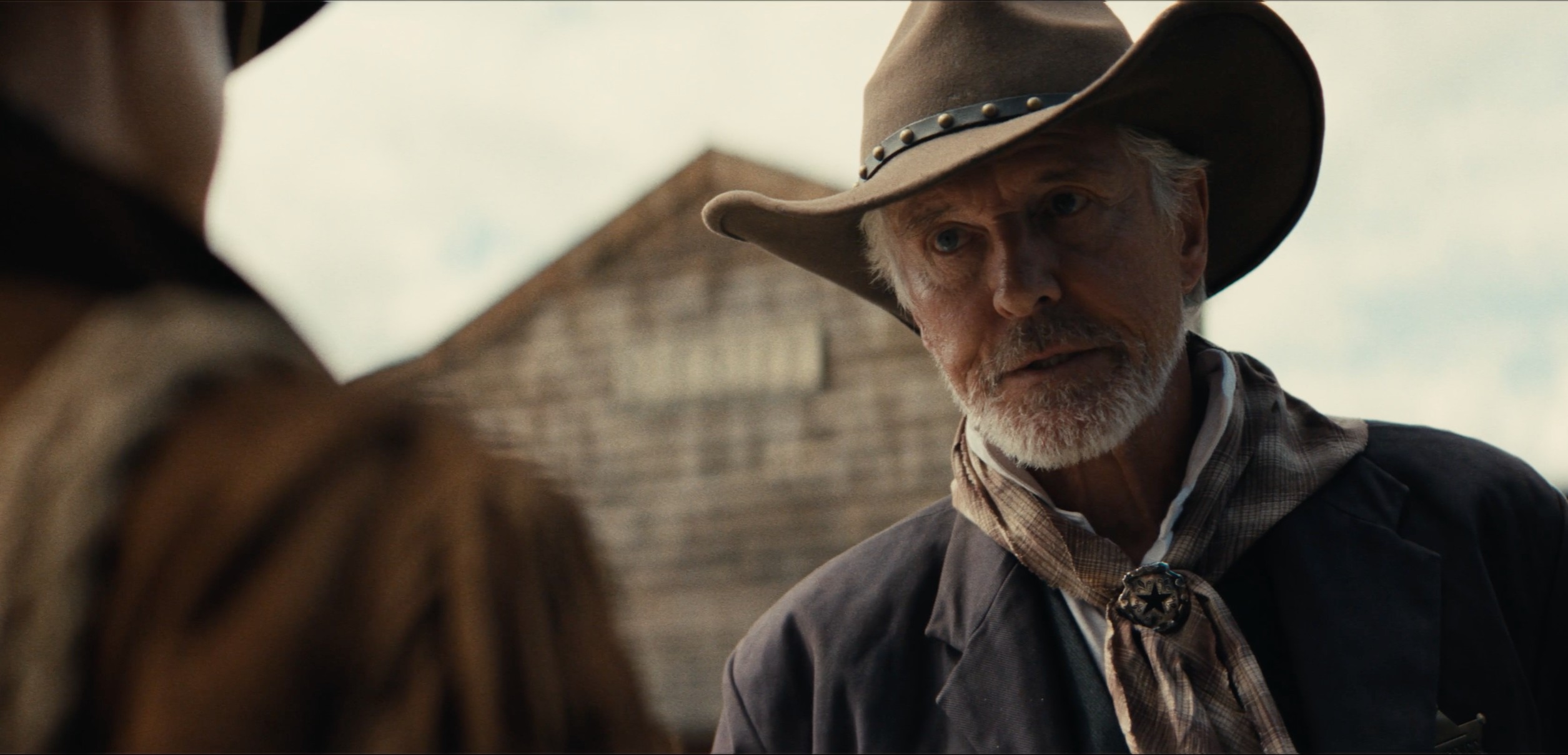 Playing the lead of Charlotte are two actresses representing her at different ages, Jamie Lynn Richards (as young Charlotte) and Kerry O’Malley. The two of them do extraordinary work with the character, bringing Charlotte to life in the quiet moments as well as the loud ones; they make her a whole person, someone with a personality and emotions, someone who evolves during her lifetime. Their performances are strong, yet vulnerable, giving all that they have to their character while holding back just enough to avoid going into cheesy territory. They are joined on screen by a few different supporting characters and thus cast, who all do decent to excellent work. This creates an ensemble cast that is on point and helps bring the film to the audience with the right amount of connection and emotions.
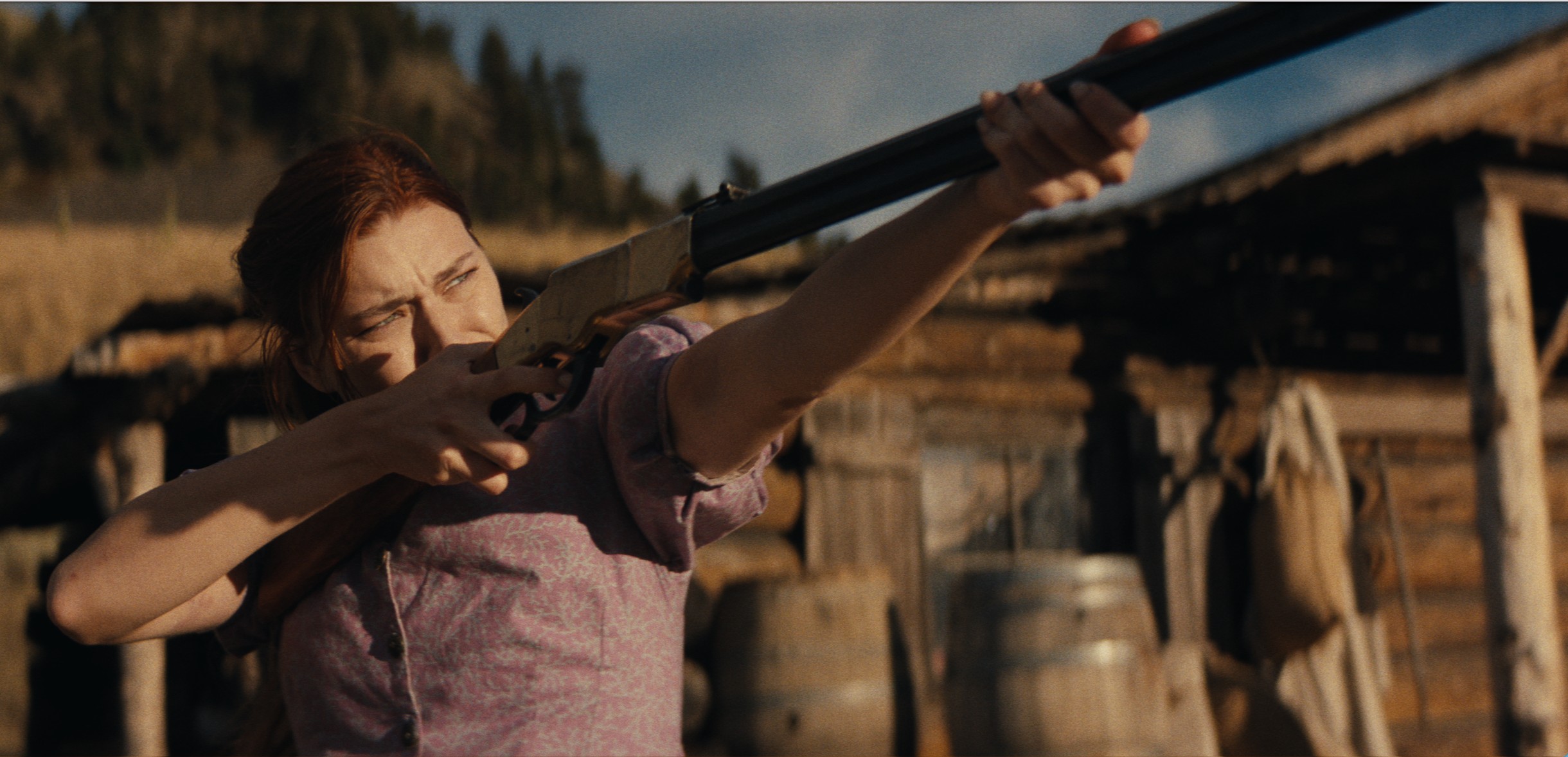 The cinematography by Kyle Deitz is simply stunning, making the most of the filming location. The images here are carefully taken, making the location an extra character in the film, but also framing just right when certain things are happening on screen. Showing the results of trauma but not the trauma itself. This shows care and planning, showing that cinematography can elevate a film even when it is already excellent.
Last Stand at Butte City is a fantastic short film that shows that you do not need more than twenty or so minutes to tell a story but also showing that sometimes a film with the right elements can leave the viewer wanting more runtime, more time to stare at the images and get brought into the life of its characters. The way this film develops its story, its characters, and its grasp on the viewer, it makes one want to see more of it or at least more of writer-director Natalie Schwan’s work.