
 For years, Dorine has been a hard-working employee, keeping her head down and doing what she needs. The accidental electrocution of her co-worker, however, pushes this mild-mannered office worker over the edge into an unhinged murder spree.
From the first shots, everything about this world feels small. It’s a setting we know well, an American office. Dorine’s workplace is itself caught between the old and the new, as the print magazine struggles to adjust and modernize. The indie feel of the film works in its favor, particularly in the intimacy and claustrophobia of the office scenes. The office is both familiar and stifling, which helps set up the mania that the film ultimately devolves into.
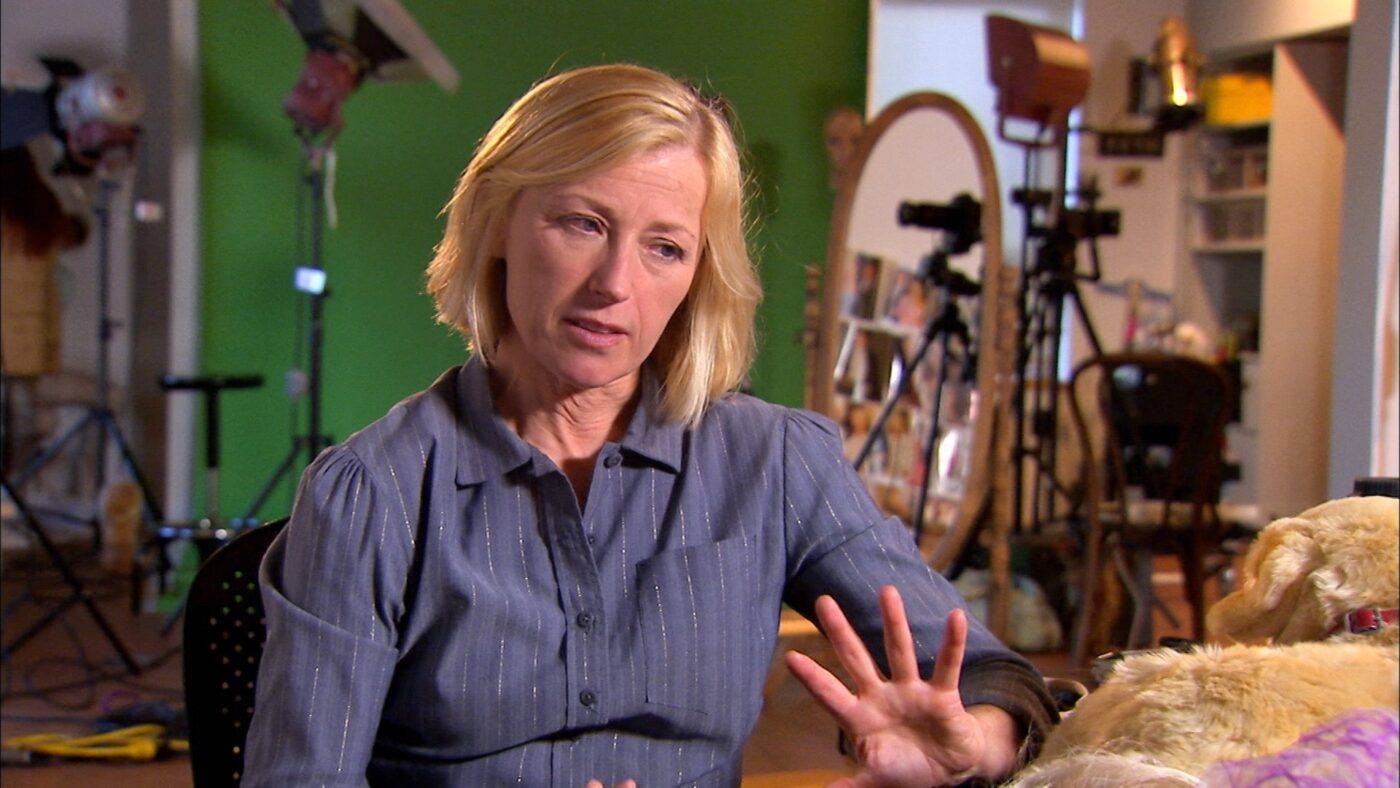
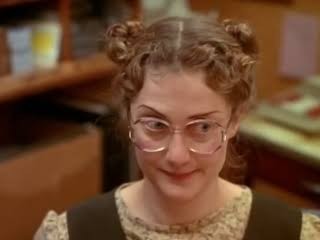
Directed by artist and photographer Cindy Sherman, Office Killer would be her only feature-length film. Sherman is best known for her photography, and her visual eye is on full display throughout Office Killer. Odd and sometimes jarring angles help establish the film’s tone while also telling us something about Dorine herself. Sherman is clever in how we first meet her. Everything about Dorine screams background. From her styling in bland and beige colors, large glasses, and an updo, to the quiet, almost mouse-like quality of her voice, she is unremarkable. Her co-worker Kim, in contrast, wears bolder colors and fabrics and is styled in a more modern and almost glamorous fashion.
 Todd Haynes’s screenplay soon develops in a manner that is both baffling and completely appropriate. The inciting incident that propels Dorine into her murder spree is an accident, and it’s never fully clear why this specific event is the catalyst, but that fits perfectly with the unhinged nature of the film. Indeed, the weaker moments happen later in the film when flashbacks try to explain a bit about Dorine’s character. They undermine what had been, until that point, a level of strange chaos that the audience feels okay not having much of an explanation for. The less Office Killer tries to explain itself, the more successful its particular brand of insanity becomes.
Perhaps it’s the contemporary lens, but as a viewer you find yourself wishing things were pushed even more. You want the macabre humor to become even darker and Dorine’s increasingly ridiculous actions to go even further. The film is already delightfully unhinged, which makes the moments when it holds back feel like a missed opportunity to truly go no holds barred.
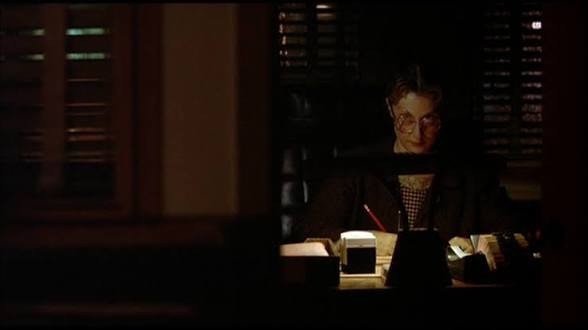 The soul of the film is absolutely Carol Kane as Dorine. She has such a specific presence. Her distinct voice, wide eyes, and small stature make her an ideal Dorine, someone who can seem simultaneously unassuming and just a little bit odd. As Dorine becomes increasingly unstable, her changing appearance begins to reflect that unraveling. She has a special talent for grounding even the most out-there character. Molly Ringwald is equally well cast as Kim. Office Killer serves as another reminder that Ringwald is a criminally underrated actor. Indeed, the entire cast commits fully to their roles and the strange world Sherman creates. There are no weak links among the ensemble, a rare treat in horror movies.
Office Killer has earned a cult following over the years and yet, much like Dorine herself, has largely remained in the background. It’s also a shame that Office Killer would be Sherman’s only foray into horror, because her distinct visual style and her willingness to embrace the macabre feel well suited to the genre. It may not push its dark comedy quite as far as it could, but what Sherman creates is strange, dark, and unlike almost anything else. For those willing to embrace its brand of killer-office insanity, Office Killer is a cult oddity well worth seeking out.