
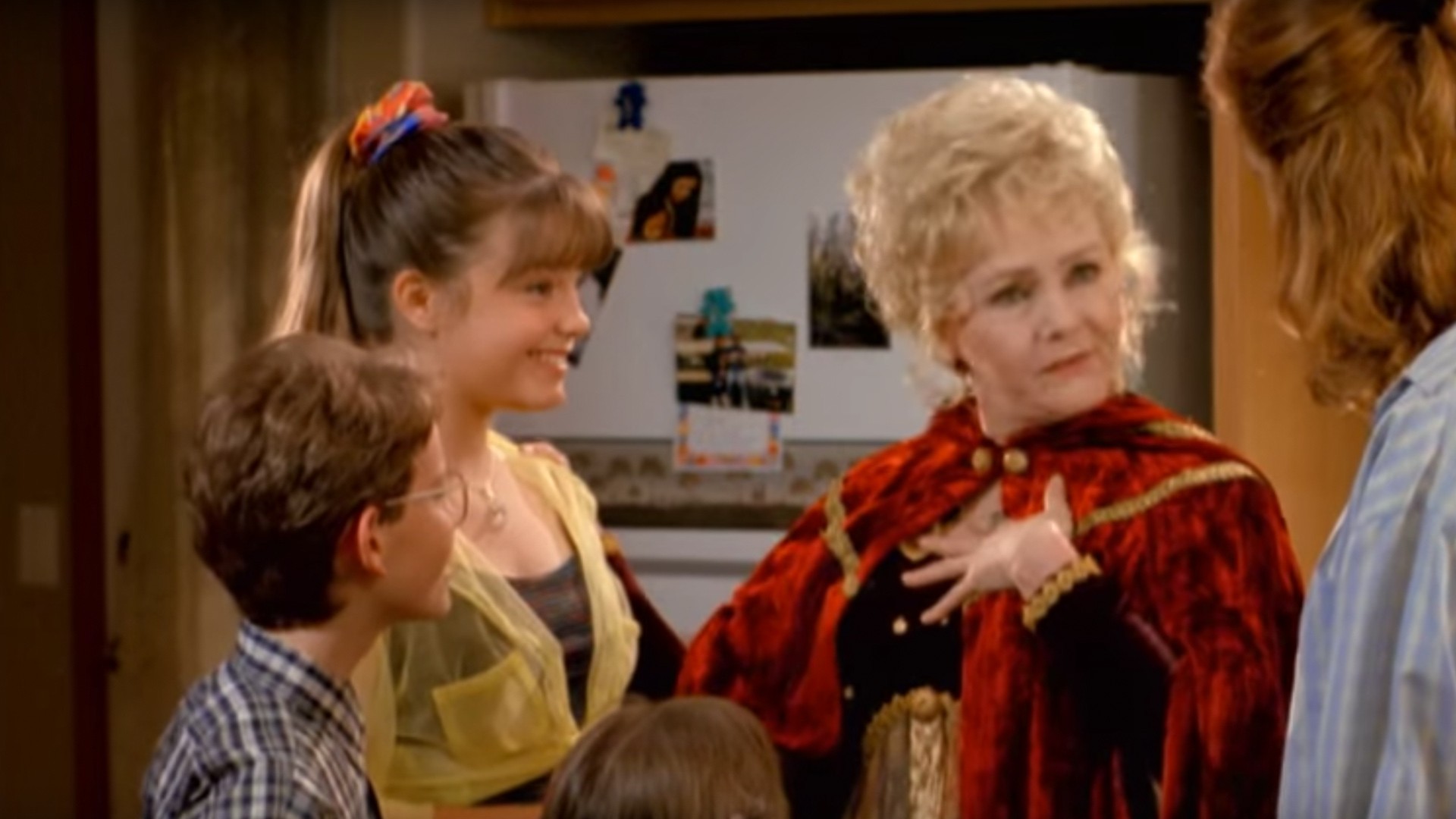
 What begins as a young girl’s frustration over being forbidden from celebrating Halloween quickly becomes a magical discovery about her family, her identity, and an entire world she never knew existed.
Blending fantasy, comedy, adventure, and kid-friendly horror, Halloweentown (1998) captures the imagination of childhood while creating a world where everything traditionally considered strange or frightening is simply part of everyday life. Directed by Duwayne Dunham and written by Paul Bernbaum, Jon Cooksey, and Ali Matheson, the Disney Channel Original Movie embraces ghosts, witches, goblins, skeletons, and other creatures without ever losing its warmth as a family story. More than 25 years after its premiere, the film remains a Halloween classic because beneath all the spells and supernatural creatures is a surprisingly timeless message about embracing the things that make you different. As the fourth Disney Channel Original Movie and the beginning of what would become the Halloweentown franchise, the film is wonderfully imaginative despite the limitations of a television movie budget. Halloweentown itself feels like a child’s interpretation of the perfect Halloween destination, complete with jack-o’-lanterns, colorful storefronts, magical transportation, and monsters casually going about their daily lives. Instead of treating these creatures as inherently frightening, the movie turns expectations upside down. Ghosts, goblins, vampires, and werewolves are simply residents of another community, while the real danger comes from those attempting to control others through fear and power. Halloweentown follows Marnie and her younger siblings after they secretly follow their grandmother through a portal into a world populated by supernatural beings. There, Marnie learns that she comes from a family of witches and discovers that Halloweentown is threatened by a mysterious evil force. Marnie and the rest of their family must work together against the warlock Kalabar before his plans threaten both Halloweentown and the human world.
 Kimberly J. Brown leads the film as Marnie Piper, a 13-year-old who has always felt different without understanding exactly why. Marnie loves everything associated with Halloween despite her mother’s determination to keep the holiday out of their home. Brown gives Marnie the enthusiasm and curiosity necessary to make her discovery of Halloweentown feel genuinely exciting. She is hopeful, adventurous, caring, and fiercely protective of the people she loves. More importantly, Marnie’s excitement about learning she is a witch never comes from wanting power. It comes from finally discovering that the parts of herself she has always struggled to understand actually belong somewhere.
Debbie Reynolds brings much of the film’s charm as Marnie’s grandmother, Aggie Cromwell. Whimsical, confident, and unapologetically herself, Aggie represents everything Marnie has instinctively wanted permission to become. Reynolds plays the character with warmth and humor, creating the kind of grandmother who can walk into a room and immediately make everything more interesting. Aggie loves her family deeply, but she also believes that protecting them should not require hiding who they are. Her desire for both her daughter and granddaughter to embrace their magical heritage creates an important generational conflict within the story. Where Marnie’s mother sees secrecy as protection, Aggie sees it as denying an essential part of themselves.
That conflict gives Halloweentown more emotional substance than its playful premise might suggest. Marnie’s journey is ultimately about identity. She spent her childhood feeling drawn to something her mother repeatedly told her to avoid, only to discover those instincts were tied to a family history deliberately kept from her. The magical storyline becomes an accessible way to explore a universal childhood experience: realizing that the adults raising you have their own fears, and those fears can shape what they teach you about yourself.
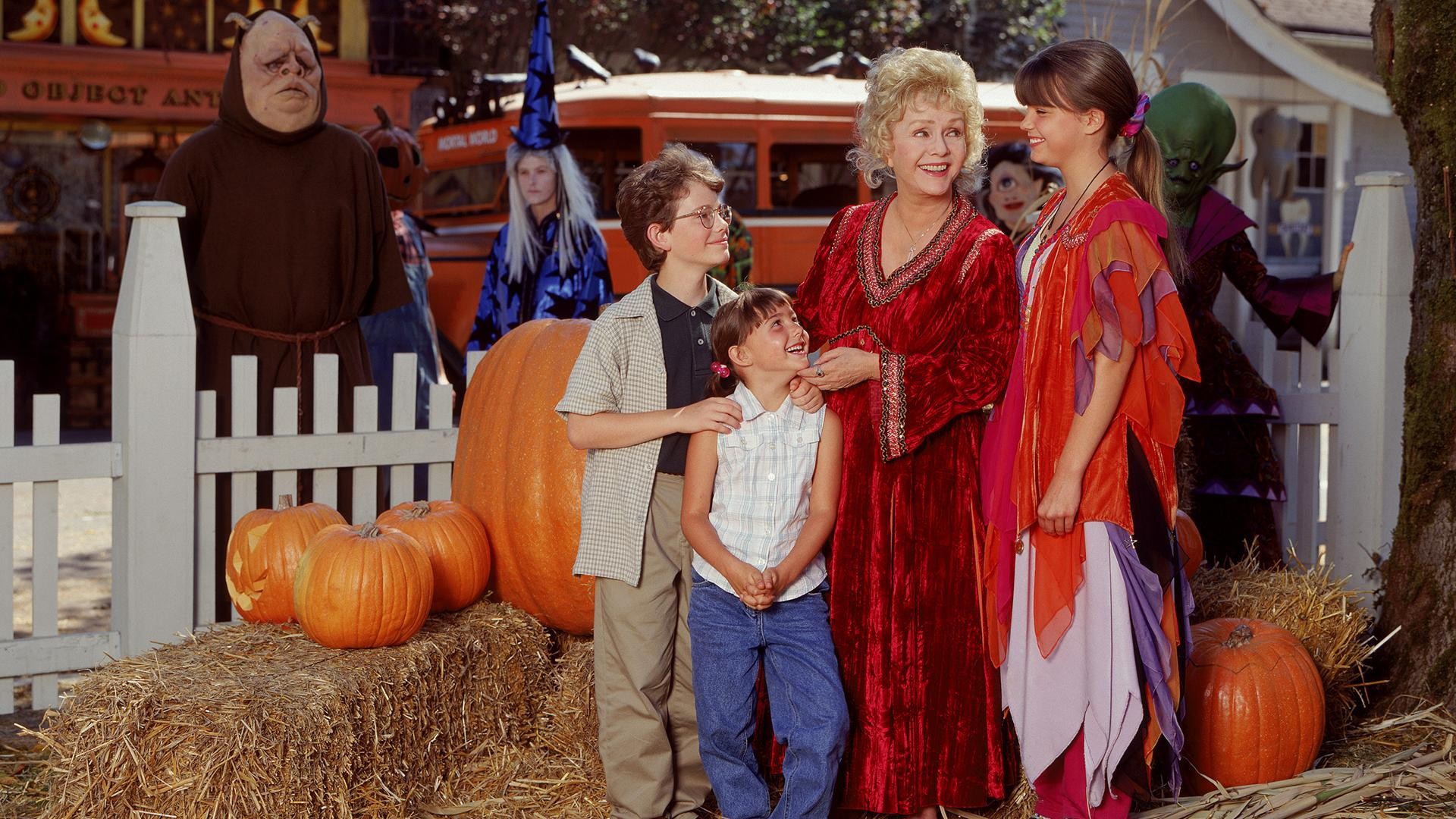 Halloweentown leans heavily into whimsy. Warm autumn colors, Halloween decorations, costumes, practical makeup, and intentionally exaggerated production design give the town its personality. There is something charming about how tangible everything feels. The movie does not need Halloweentown to appear realistic because it is supposed to feel like stepping directly into a child’s Halloween fantasy. Even its darker sequences remain approachable for younger viewers, allowing the film to introduce spooky imagery without becoming genuinely frightening. That balance makes it an ideal gateway into horror and supernatural storytelling for children who enjoy the strange and spooky but may not be ready for traditional horror. The film’s family dynamic is what keeps the fantasy grounded. Marnie may be discovering magic, but she is also navigating disagreements with her mother, protecting her younger siblings, and learning more about the grandmother she idolizes. Even the conflict between generations comes from love, despite everyone having very different ideas about what protecting the family should look like. The supernatural adventure ultimately brings them closer by forcing them to recognize that their differences can become strengths when they stop fighting against them.
For an entire generation that grew up watching Disney Channel Original Movies, Halloweentown has become almost inseparable from the Halloween season. It is spooky without being frightening, sentimental without becoming overly serious, and imaginative enough to make younger viewers wish they could catch the next bus through the portal themselves. More than anything, Halloweentown understands one of the most enduring appeals of Halloween: for one night, the weird, unusual, and misunderstood are not expected to hide. They get to belong.