
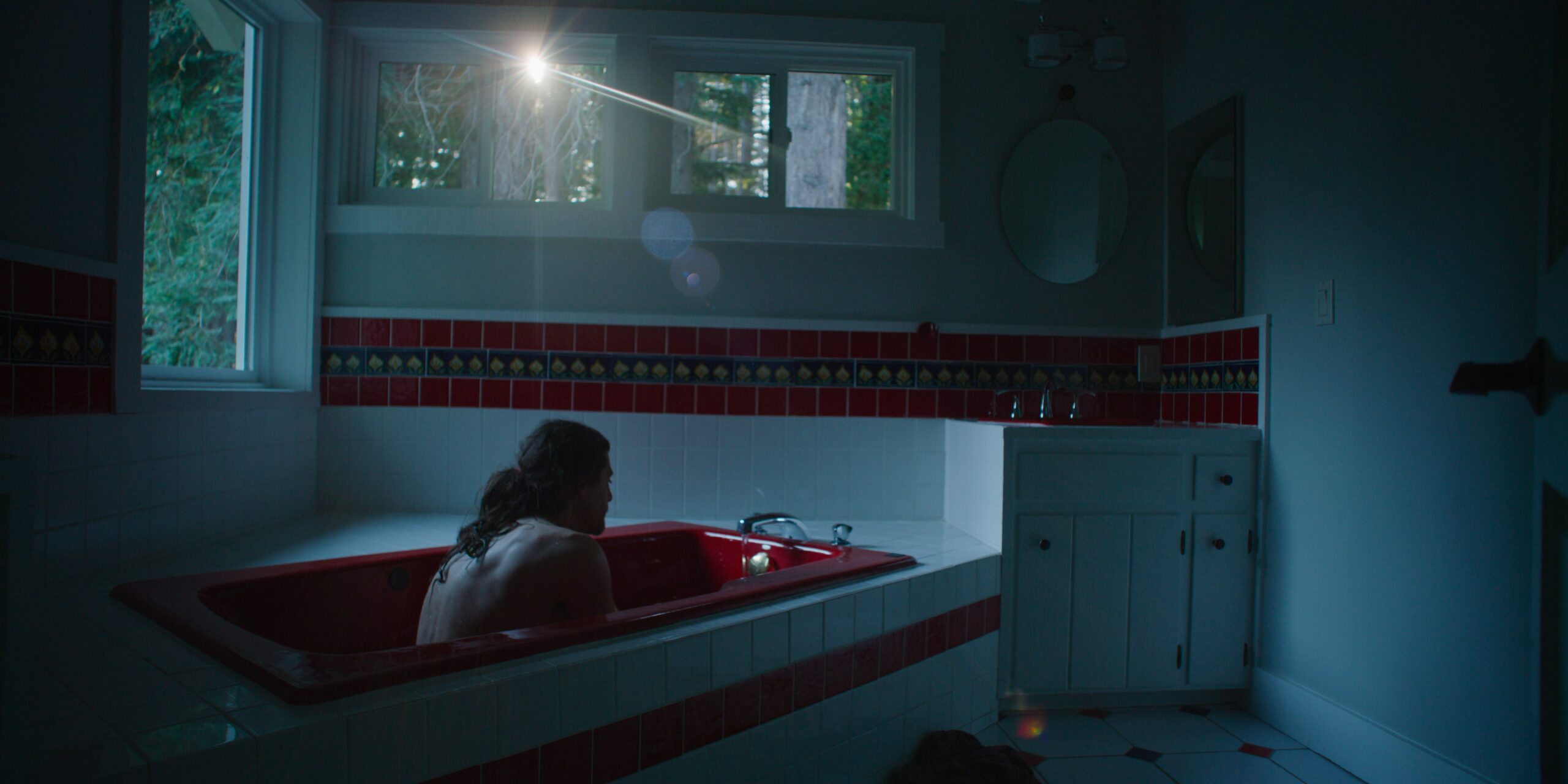
 A father and son connect to make a trip to a retreat where psychedelics are used to help treat addiction, something they both need in more ways than they expected.
Written and directed by Joaquim Adrià Pujol, this documentary comes off a bit disjointed but manages to make this make sense in that it is following the lives of two addicts going for a treatment, or therapy, that should help them kick their respective habits, habits that make their lives chaotic. Here, the film seems to join the chaos instead of truly making sense of it for the majority of the runtime. This being something that one gets used to while watching the film says a lot about the filmmaking capabilities on display as well as the resilience of humans when faced with something that feels like it’s too much at first which works hand in hand with the addiction and how people work with it shown in the film.
This being a documentary, there is no performance from a cast, no lead actor, but there are humans, flawed ones, with problems issues, and with their own way of dealing with life as they know it. The film here makes it look all like we are just watching the lives of a father and son trying to connect, trying to get back in control of their lives with some ups and some downs, but never any judgment from the filmmaking team. The two of them are not necessarily people most viewers would have in their lives, but they are people and are presented in a way that allows their humanity to show.
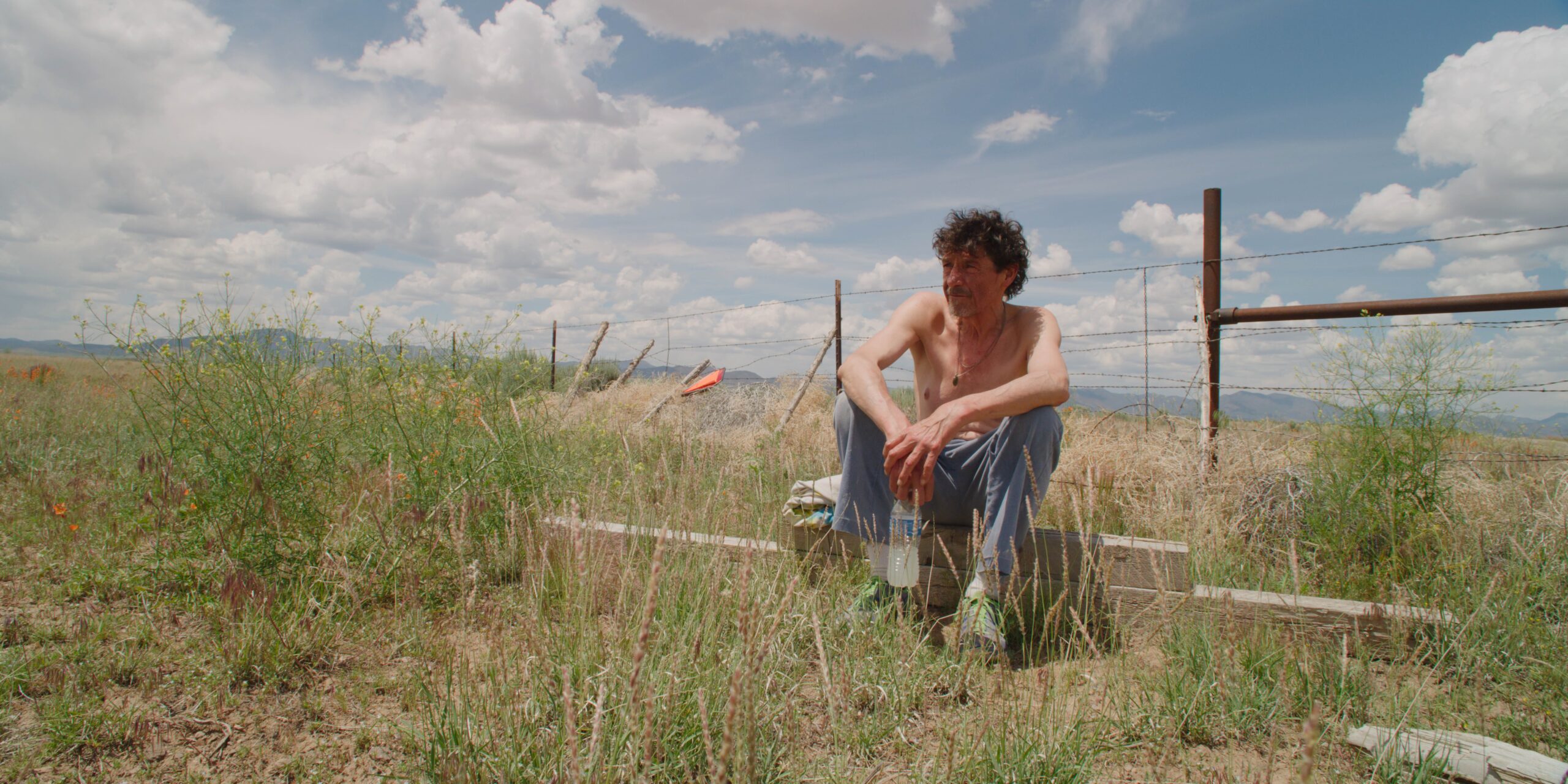 Writer-director Joaquim Adrià Pujol also serves as cinematographer here, bringing the film into a small circle of creativity and thus creating an intimate look at the lives of the father and son at the center of the film. The camera work here may not be the steadiest or the most stylish, but it does what it is there to do, it gives the viewer an unrestricted view of what is happening without always being the face of its subjects. Is the camera unsteady a lot of the time? Yes. So, if this may give a headache, this film may not be for you. That being said, the movement isn’t too extra, and it does add to the dynamic of the film, and it fits the subject at hand.
Score here, by Jozef Van Wissem, works so well with the film that it’s just part of it. It doesn’t guide the emotions but follows them. It’s a background player and not one that tries to steal the spotlight. The way the score is composed and used is perfect here, highlighting moments but never overtaking them.
Màquina is an intimate and effect documentary that offers a non-refined look at addiction and how it affects folks even when they are trying to get out of it. It shows the raw images, the emotions without a filter, and lets the chaos lead to bring the viewer into the narrative at hand more than one would expect from a documentary. This is a raw and intimate view of a hard life for a father and son, and it works fantastically well.