
 A group of misfits are brought together for detention in the school library, making discoveries about themselves and finding common ground in their shared event, the overzealous school principal.
If there’s one movie where we can all find a character to relate to, it’s The Breakfast Club. Whether you’re a jock, a popular type, an outcast, a Goth, a nerd, or a combination of a few, you’ll find someone in this movie who speaks to you. The nostalgia of who we were combined with how we became who we are makes this film always relevant, and even though some of the humor has aged a bit, there’s always something that feels like home here. While the plot can feel a little cheesy and self indulgent on occasion, it’s also never short of being emotionally impactful and touching upon important topics that give us brief windows of insight into these characters’ lives. Abuse at home, drug use, depression, and pressures of academic success are just some of the things mentioned as struggles for our ragtag group, and even the most unlikeable of characters are beloved by the end.
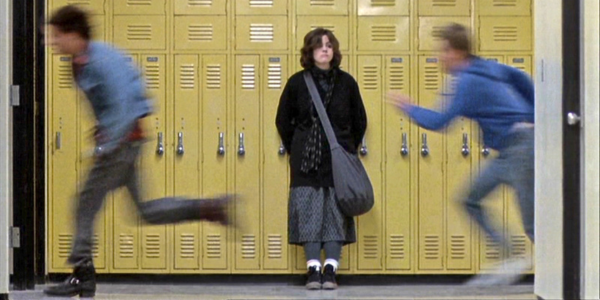
And it’s all thanks to John Hughes, who always knows how to weave an endearing and truly moving story of characters and experiences that leaves you smiling, laughing, crying, and everything in between. The Breakfast Club is one of his best, and probably most profound, works of film, and while some wish for there to have been a sequel, I think it perfectly captures just a few hours in the lives of everyone in that library that day, and a part of the magic is wondering what they went and got up to after the credits rolled. As is typically the case with John Hughes, we get just enough to care without anyone overstaying their welcome.
Everyone is perfectly cast, too. While Molly Ringwald became a bit of a muse for Hughes, it’s the ensemble who makes this one truly phenomenal. Judd Nelson is my personal favorite of the bunch as the deep and brooding Bender, but it wouldn’t be the same without Anthony Michael Hall, Ally Sheedy and Emilio Estevez, who all give fantastically nuanced performances. And who could forget Paul Gleason as the delectably power hungry principal who more often than not winds up as the butt of the jokes. The main cast has great chemistry with one another to the point that you aren’t even sure who is going to be “coupled up” when the time comes for it later in the film. It subverts those “go with your own kind” expectations, too, in a wonderfully progressive film that’s somehow 40 years old.
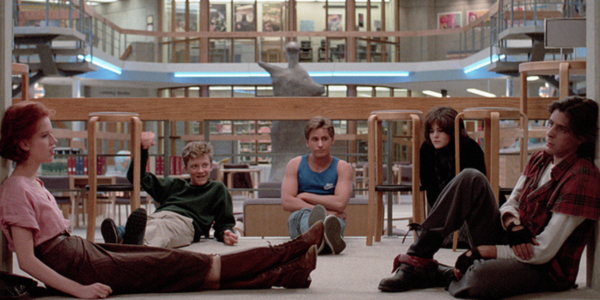
On a smaller budget and with virtually only one setting, The Breakfast Club makes a lot from a little, with great cinematography, wonderful editing, and a score that still hangs around to this day. No one can hear “Don’t You (Forget About Me)” by Simple Minds without wanting to pump a victorious fist in the air. Not to mention that perfect 80s freeze frame.
Funny, witty, and emotionally impactful, The Breakfast Club will always be one of the best coming of age high school movies ever made. I’ve just gotta ask one question; whose idea was it to de-Goth the Goth girl? Seriously, who? I just wanna talk, I swear.