
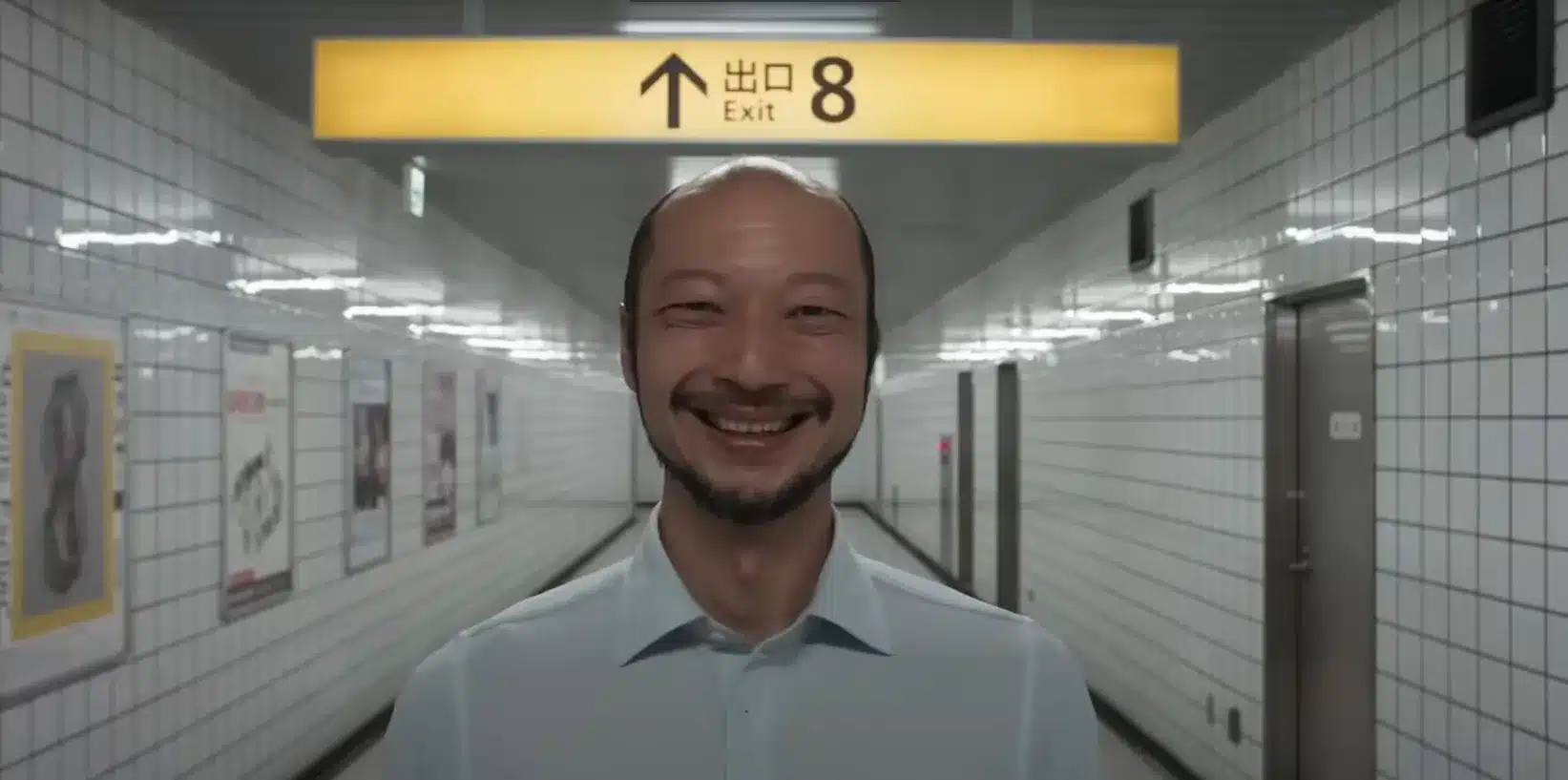
 In Exit 8, a young man is trapped in a surreal landscape: a never-ending subway corridor. He can only get out by following specific rules in the incredibly engaging video game adaptation from director Genki Kawamura. Presented as part of the Overlook Film Festival and in limited release otherwise.
Exit 8 is a great example of taking a simple concept, a 2023 “spot the error” video game from Kotate Create, and expanding it into something special, notable, and effective while still keeping the video game mechanics to drive everything placed upon it. Kudos to director Genki Kawamura and writers Kawamura and Kentaro Hirase for pulling something so fascinating and engaging from such a simple concept.
Spaces like subway tunnels are wonderful liminal spaces, the odd areas that don’t feel quite real. It’s no surprise these areas lend their way to larger horror tales outside of the base notion: novels House of Leaves by Mark Z. Danielewski is the high-water mark, with Coup de Grace by Sofia Arjam using subways as well (Montreal in this case) as a metaphor for suicidal thoguhts (Exit 8 has its own, see later), or viral video Backrooms and its forthcoming film. Subways can often feel repetitive, disorienting, slightly off, and almost copy-and-pasted, especially the longer, more complicated ones connecting long stretches, the depths of the stations, and all that. Me, I’m honestly fascinated by the world of subway tunnels. There are times my obsessive detail leads down rabbit holes of the strange and secrets within the often labyrinthine NYC subways and all their styles and histories (my own Seattle’s is very simple and straightforward, though we have a few interesting spots). That’s the impetus of Exit 8.
That simplicity with the overbearing, uncomfortable, never-ending otherness? Get out of the subway via Exit 8. It’s a game, a nightmare loop of a single level. The concept is simple: work around the small space. If an anomaly is noticed, turn around. If not, continue. When level, or exit, eight is reached, leave. Simple right? Memorize the layout. Notice what’s different, or not. How can this be hard? Or work for 95 minutes? It’s a basic concept with trippy, complicated execution. As Kazunari Ninomiya’s Lost Man (no character names, only descriptors) makes his way, he meets other people trapped in the same hellscape, including The Walking Man from the promotional materials (keeping the others off for spoilers). Are they constructs of the “game” or people? Something in between? How this unfolds is masterful, keeping an unexpected freshness in how it plays and reveals the action and characters. The performances of each character, including Yamato Kochi as the Walking Man, along with Nara Asanuma and Kotone Hanase as others, fit perfectly within this enigma.
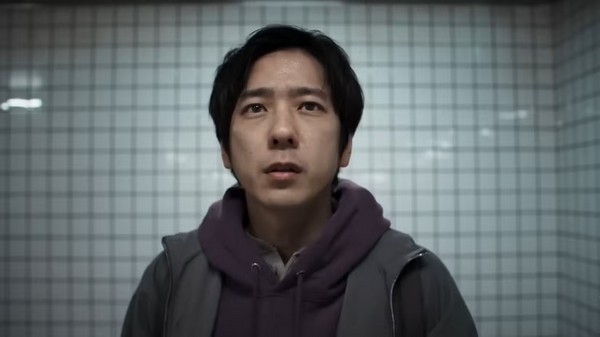 Kawamura and Hirase get a hell of a lot of mileage from the basic concept. Exit 8 has a complex simplicity; an oxymoron for sure, but it fits the world of Exit 8. The stark, endless subway tunnel draws in, but feels deeper and darker. Dangerous in a way we can’t put a finger on. Nor are we allowed to. Kawamura and Hirage keep the Cube-like world simple, despite the turns. Why is this happening to The Lost Man? Who is causing it or running it? Hell if I know. It doesn’t matter. While there are a few flashes elsewhere for emotional support of the plot and characters, we don’t truly leave the corridor. The tightness is creepy and affecting. Kawarmura uses the confines to build a disorienting, dizzying array. The heart pumps as the camera shifts slightly to try to get a glimpse around the corner ahead of the character, not unlike a 3rd-person camera in a video game. The searching of the eye, as the viewer tries to find details before the haracers, or freaks out as they don’t catch what we can. It’s thrilling and ratchets the tension. It’s not the sort of movie to truly shock, but the feeling that it MIGHT and that gives a buzz. The sound design is expertly put together as well. Echoes, strange noises, the constant hum. It builds to enhance in uncomfortable ways.
In a fun, game-like touch, the film starts in first person as The Lost Man’s world is set up: on the way to a temp job, he gets a call from an ex. She’s pregnant and doesn’t know what to do, and neither does he, with guilt from hanging back as a businessman berates a woman for her crying baby. Themes of fatherhood, looming and existing, reach across. The way this unfolds lends a much heftier emotional throughline than I expected coming in. Kawamura does it all with confidence, refusing to be showy; allowing the film and the emotional bits to build in a non-showy manner; using the stark white tiles of the subway station for repetition of the “levels” and corridors to create tension, terror, and atmosphere. Thanks to cinematographer Keisuke Imamura for using the location with brutal efficiency.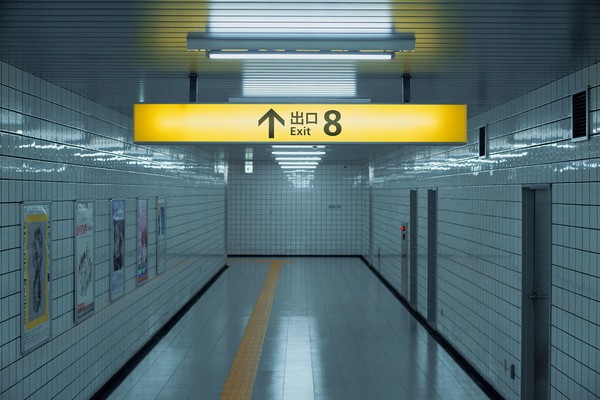
Exit 8, using all the above well, connecting the camera, the audience, and characters, is an investing film. I sat on the edge, begging the characters to look better, fearing when they didn’t, questioning what the game is doing, second-guessing myself and the on-screen action. Mummbing NO NO NO and begging to take the controller. On top of that, it’s surprisingly emotional. It hit hard in moments when reaching the end. Felt that in my gut. Much thanks to Ninomiya’s soulful performance, I swear I saw him get older as his character matures on his arc.
Exit 8, directed by Genki Kawamura, is a remarkable film, an exercise of getting the maximum out of a minimalist game and set-up. A strong use of emotion and character set against the easy setup and building tension creates something special and wholly engaging. Enter the Exit.
Exit 8 plays within the Overlook Film Festival April 9 – 12 and in limited theatrical distribution nationwide.