
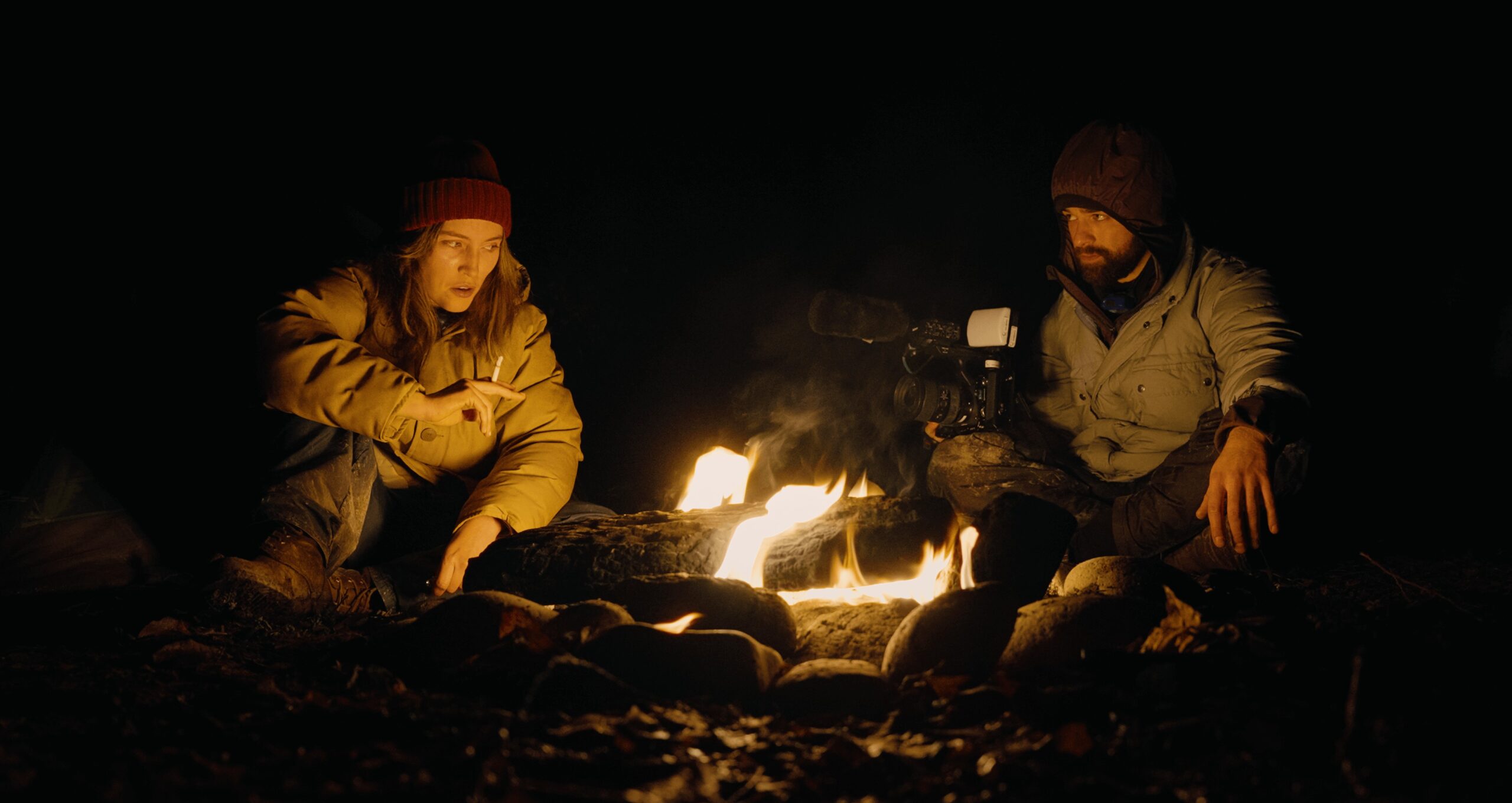
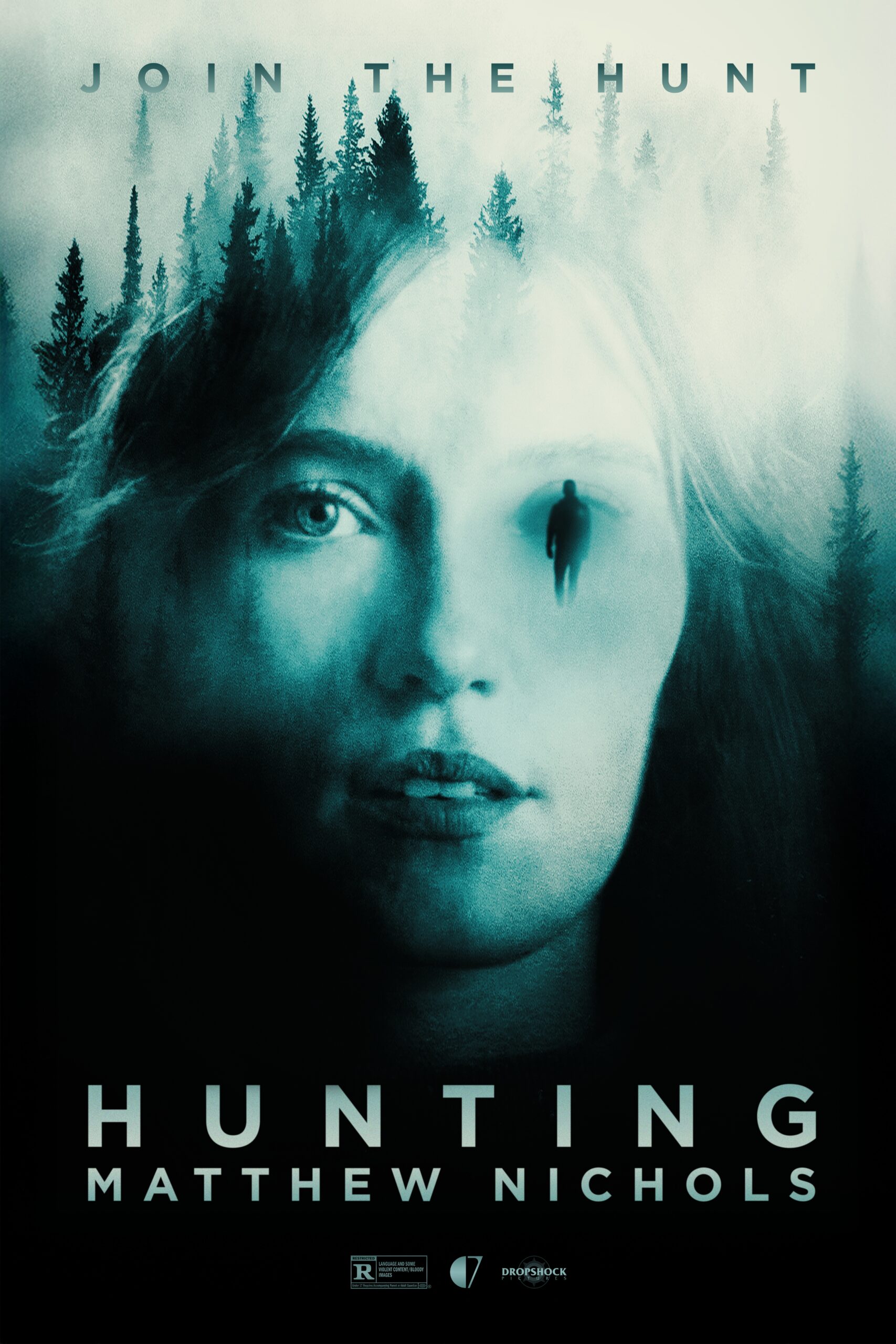
Twenty years after Matthew Nichols disappeared on Halloween night, his sister sets out for answers as to what happened.
Tara Nichols has lived with questions about what happened to her brother Matthew after he disappeared with his best friend Jordan on October 31st of 2001. She teams up with a director, Markian, to make a documentary about his disappearance and revisit the case. As she interviews family, investigators and others, a shocking new piece of evidence is revealed, changing the nature of everything she thought she knew about her brother’s disappearance.
For true fans of found footage, there’s a lot to like here. Markian Tarasiuk ambitiously wrote, directed (his directorial debut at that), and starred in the film. It will be obvious to anyone watching that Hunting Matthew Nichols is heavily influenced by films like The Blair Witch Project and Paranormal Activity. It would have been incredibly easy to fall into many of the traps the subgenre has developed over the years, but Tarasiuk clearly understands the language of found footage and cleverly uses familiar tropes while still adding his own spin.
The first half of the film is firmly a faux documentary, following the formatting of one of the countless true crime documentaries currently dominating streaming services. For someone tuning in without realizing it was fiction, it’s not until something more overtly supernatural begins happening that they might realize it isn’t a real documentary at all. While the subgenre has spent years blurring this line, Tarasiuk makes several smart directorial decisions that help distinguish the film from similar entries. (Minor spoilers ahead.) When “new footage” is suddenly discovered that may shed light on what happened that fateful night, Tarasiuk makes the unusual decision not to show any of it initially. The choice may feel frustrating at first, watching reactions to footage shocking enough to send Tara into a tailspin. However, as the film reaches its climax, Tarasiuk intercuts flashes of the recovered footage with the present-day story in a way that becomes genuinely eerie and highly effective.
Miranda MacDougall as Tara Nichols, Matthew’s younger sister, carries the bulk of the story on her shoulders. In a performance that starts grounded only to slowly unravel as more information comes to light, MacDougall is largely successful. Tarasiuk and Ryan McDonald, playing themselves as members of the documentary crew, give believable performances as well, though their characters are not as fully developed as Tara. This becomes more noticeable as they begin taking a larger role in the story. Not every beat needs explicit explanation, but a clearer sense of the relationship between Markian and Tara would have added stronger emotional motivation to some of the characters’ choices. Christine Wiles also gives a standout performance as Pam Hamilton, one of the investigators on Matthew’s disappearance, bringing a believable weariness to a character reluctantly revisiting the case. The strength of found footage relies heavily on grounded and empathetic performances, and overall, the film succeeds in that regard. It would have been nice to spend slightly more time with James Ross’ Matthew and Issiah Bullbear’s Jordan to develop a deeper connection to the missing boys, but this remains a relatively small complaint.
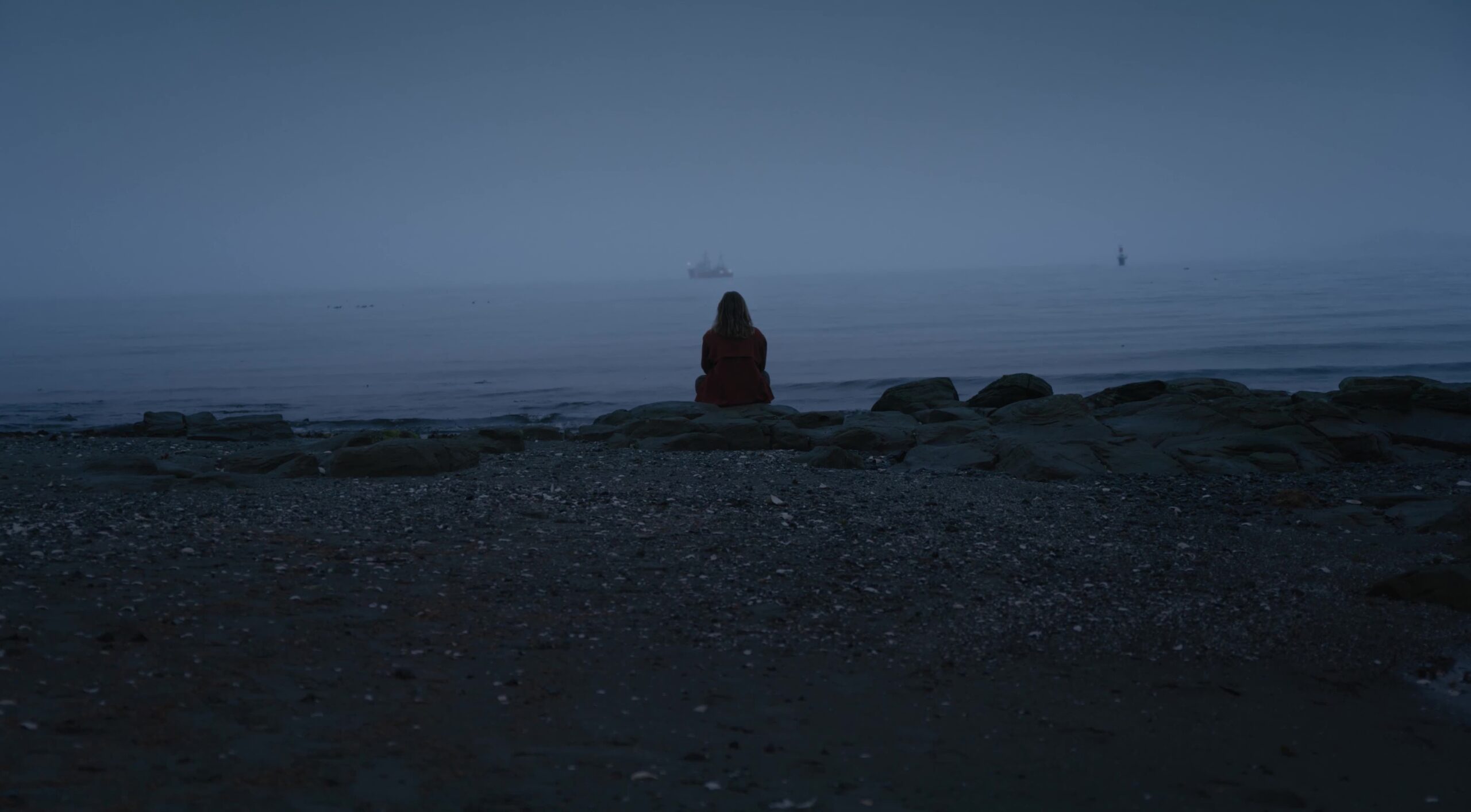
The film’s biggest weakness is a handful of underdeveloped plot points. The documentary structure of the film gives ample opportunity to delve into storytelling and lore, so the fact that a few elements that become important towards the end of the film don’t get more attention is a bit frustrating. The balance between the true crime mystery and the horror elements isn’t fully successful. Viewers who are hoping for more scares and horror will be disappointed, and those who are more intrigued by the mystery may not find the resolution fully satisfying. None of these are large enough issues to prevent someone from watching and thoroughly enjoying the film, however.
As with many films of this nature, if you are a fan of the genre, you will find something to enjoy in Hunting Matthew Nichols. The understanding of the tropes of the genre is clear and well established, while also evolving familiar beats into something that still feels fresh. If you grew up watching The Blair Witch Project, this feels like a return to the foundation of the genre that impacted so many in the early 2000s. I would even go as far as to say that Hunting Matthew Nichols is the spiritual successor to The Blair Witch Project. If nothing else, it serves as a reminder to maybe just don’t mess with legends in the woods.