
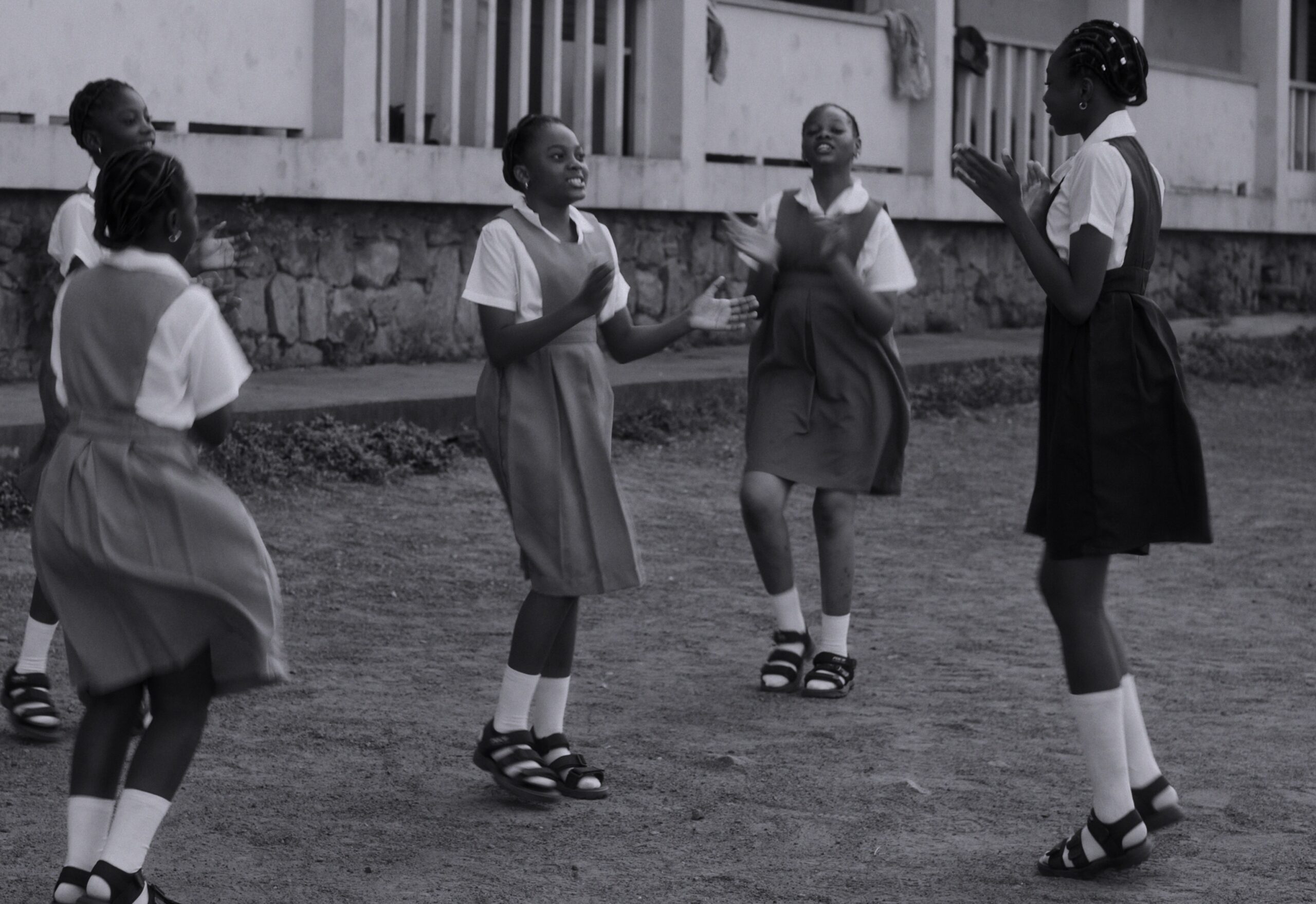
What begins with the innocent sound of schoolgirls playing outside quickly transforms into heartbreak, loss, and collective grief.
Lost Wax blends surrealist drama with striking visual symbolism to explore how tragedy can profoundly affect not just a family but a community. Written and directed by Omorose Osagie, the short film weaves together themes of missing children, drama, trauma, and empathy, creating an emotionally resonant story that lingers long after its brief runtime. Through its combination of live action and 2D animation, the film delivers an intimate portrayal of grief while drawing subtle parallels between personal loss, culture, and community. The film follows Osas, a sculptor and apparent outsider within her community, whose relationship to the missing girl is defined entirely by distance. The sculptor’s art becomes the vehicle through which that grief finds expression and connection. Her creation is shared with a mother whose loss is total and unambiguous. The two women are joined across the distance of their different relationships to the same disappeared child.
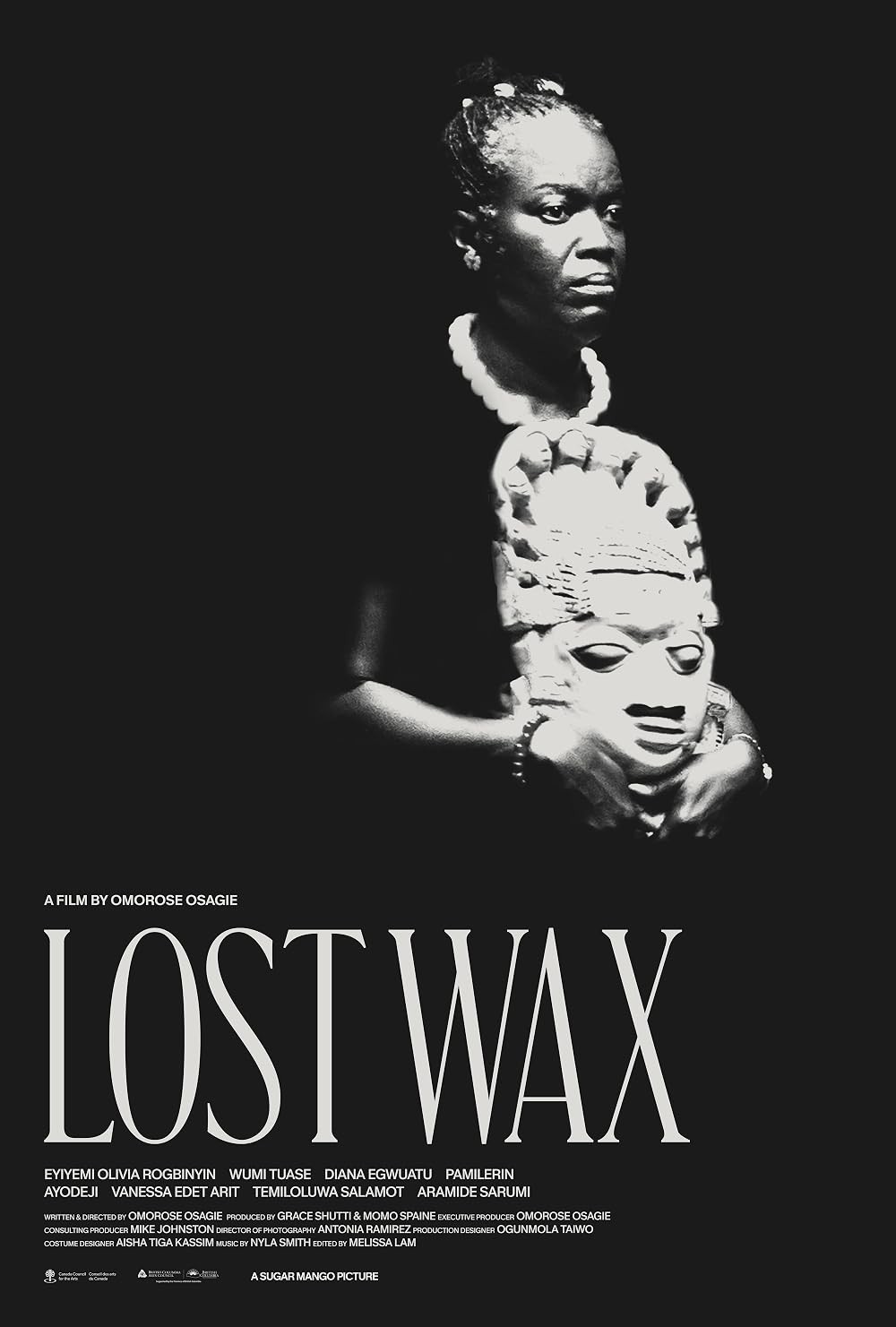
Eyiyemi Olivia Rogbinyin plays Osas with a stillness that the film builds its entire emotional architecture around. She is someone sitting with a feeling of empathy, and Rogbinyin communicates that interior experience through presence and restraint in ways that feel completely authentic. Her work as a sculptor is rendered with a loving attention that makes the creative act feel genuinely spiritual, the hands working through what the voice cannot say. Each scene demonstrates her in a way that feels caring, considerate, and understanding.
Wumi Tuase’s plays someone we come to know as Mercy’s mom. Her presence is brief and shattering. The panic of a parent realizing her child is gone is one of the most primal fears cinema can depict, and Tuase does not perform it so much as inhabit it, her transition from ordinary afternoon to unthinkable loss arriving with a speed and authenticity that knocks the wind out of the film’s otherwise measured pace. The contrast between that raw heartbreak and the sculptor’s quieter, more contemplative sorrow is where Lost Wax finds its most profound emotional register.
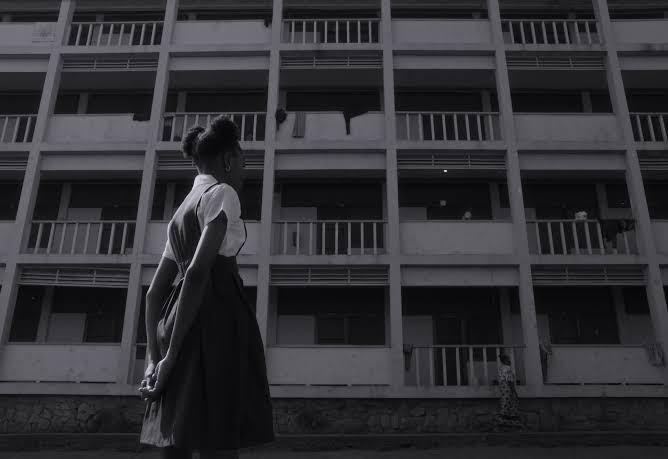
Lost Wax is shot entirely in black and white, the film embraces a minimalist aesthetic that heightens every emotional beat. The absence of color places greater emphasis on facial expressions, shadows, and texture, allowing grief to become the dominant visual language. The film moves from quiet moments of innocence to growing panic with remarkable restraint, capturing how quickly normalcy can dissolve into unimaginable tragedy. The animated sequences are seamlessly integrated into the narrative, adding a dreamlike quality that reinforces the emotional weight of the story rather than distracting from it. These artistic choices elevate the film beyond a straightforward drama.
The opening images of young girls innocently playing outside create a sense of warmth and safety before the narrative suddenly shifts into desperation. This transition is handled with remarkable effectiveness, reminding viewers how quickly everyday life can change forever. Rather than sensationalizing the disappearance itself, the film centers on the emotional aftermath and the ripple effects of the tragedy throughout a community. It asks audiences to consider not only the suffering of immediate family members but also the quieter grief experienced by neighbors, witnesses, and strangers who carry the weight of another person’s loss.
Fantasia 2026 runs from July 16th to August 2nd, 2026