
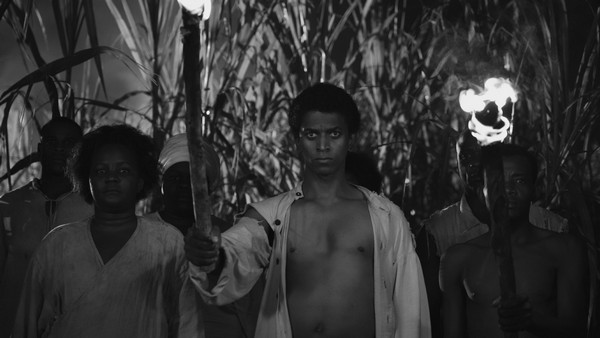
 Black Zombie is a fantastic documentary, an exploration of zombie cinema through the lens of the Haitian zombie and the cultural implications. The Maya Annik Bedward film is presented through the Fantasia International Film Festival.
The zombie has been a staple of horror media for just as long as there have been horror films. What’s different for this particular brand of horror monster, having a new cycle every few years or so, is the extreme differences between origin and how culture sees a zombie. Ask regular Joe about them, and he mentions the shambling corpses of Romero, or running in newer parlance of 28 [Time] Later, Dawn of the Dead remake, or countless films flooding the streaming, every coming slowly, never stopping, not unlike the undead banging on mall doors. But a more well-read horror fan goes “well there’s 1968 and Night of the Living Dead BUT….” What follows that “but” is the fascinating focus of Black Zombie, the new documentary by Maya Annik Bedward, presented through the Fantasia International Film Festival.
That “but” comes down to this: white filmmakers have coopted and commodified a legend with African and Caribbean roots. How did this come about? What is the truth behind the myths, heck – what is myth, what is fact, and what is in between? How has pop culture worked within this sort of zombie?. How does it relate to what came after, how does it link to slavery, the Black experience and history, and how can we deepen our knowledge of what most people don’t realize are racist and colonialist implications?
Black Zombie shines light into aspects the normal conversations might not quite cover, gaining new voices and insight. With speakers ranging from modern voodoo practitioners, cultural and historical experts, and the “oh I know that person” known figures such as one of today’s best authors Tantanarive Due (go read The Reformatory RIGHT NOW if you haven’t yet) and even Guns N ’ Roses’ guitar legend Slash (who has a stronger connection than you’d think).
Bedward crafts the documentary smoothly, mostly keeping chronological but shifting up and around if needed to heighten a point, using chapter headings to keep to specific aspects. None go too long or short. With a 93-minute runtime, there’s plenty to cover, and Bedward paces perfectly to keep moving but not be slight. It specifically starts with films like the Bela Legosi-starring White Zombie as a jumping point to sell the idea of using black bodies as horror and debate and discuss the practice to Romero-ification and back to Wade Davis, his Serpent and the Rainbow, how Craven went the wrong direction.. Along the way, clips from films are mixed in and most interestingly, contemporary reports of people visiting Haiti and other areas. The direct glances back set. There are some points and contexts within that were completely new to me, who has read up on it all. 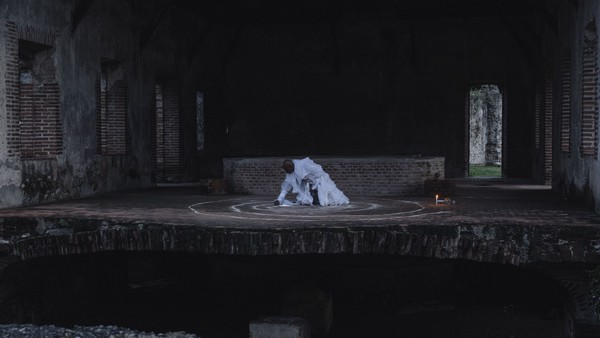
The discourse is strong, well thought, and far-reaching; reaching into Haiti’s past and present, connecting to slavery, autonomy, and especially how the White-led cultures have shifted for their purposes and how the cycle perpetuates. Looking at you, Live and Let Die. The Bond film that highly features voodoo and Baron Samedi and is not the best in any sort of representation, setting back into stereotype. But Bedward does gather a full collection of Haitians and authority figures to give credence. With these people, she allows a conversation that normally gets a quick talk in most zombie documentaries, keeping focus on Haiti and the Haitian zombie.
It’s a wonderful discussion, and I’m doing what I can not to get the specific details of topics and how wonderfully they are explored. However, the film peters off towards the end, cycling around a conclusion and “where do we go from here?” after finishing with Serpent and the Rainbow and some modern notes of later history, along with featuring a few offshoots of conversation. Tom Savini’s discussion of Dawn of the Dead make-up isn’t really pertinent to the topic, for example, but I get it. Find the chance to talk with him, as a known commodity as well, and must do it. But these notes are minor, as the documentary on the whole is filled with insight and history, strong discourse and new ways to approach the movie monster.
Maya Annick Bedward’s Black Zombie is a rich cultural discussion on the history of the zombie, specifically noted to the Haitian zombie and how they’ve been commodified and used over the history of film. Now playing at the Fantasia International Film Festival, running July 16th through August 2nd in Montreal, seek it out when it shambles to wider release.