
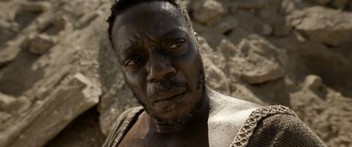
What begins as a familiar story of street loyalty and retaliation slowly unravels into something far more introspective and spiritual.
Moses the Black blends crime drama, psychological tension, and faith-based reckoning into a layered exploration of repentance and identity. Inspired by the fourth-century saint of the same name, the film reimagines a story of violent beginnings and radical transformation within a modern urban battleground. Executive produced by Curtis “50 Cent” Jackson and written and directed by Yelena Popovic, the film maintains a grounded, urgent tone while daring to wrestle with questions of morality, consequence, and spiritual awakening. Malik (Omar Epps), a recently released gang leader, returns to a city and organization that no longer feels entirely his own. After learning that his closest friend Sayeed has been murdered, Malik instinctively orders retaliation, reinforcing the violent code that has long governed his world. Yet the death of his devout grandmother, and the small icon of Saint Moses the Black she leaves behind, plants a seed of unease. When Malik begins experiencing vivid dreams and panic attacks, including a haunting vision in which the saint warns him, “He who lives by the sword shall die by the sword,” the film pivots from a straightforward crime narrative into a meditation on discernment and destiny. While the film operates within the framework of gang warfare, its deeper themes, free will, peer pressure, and spiritual accountability drive the emotional core of the narrative.
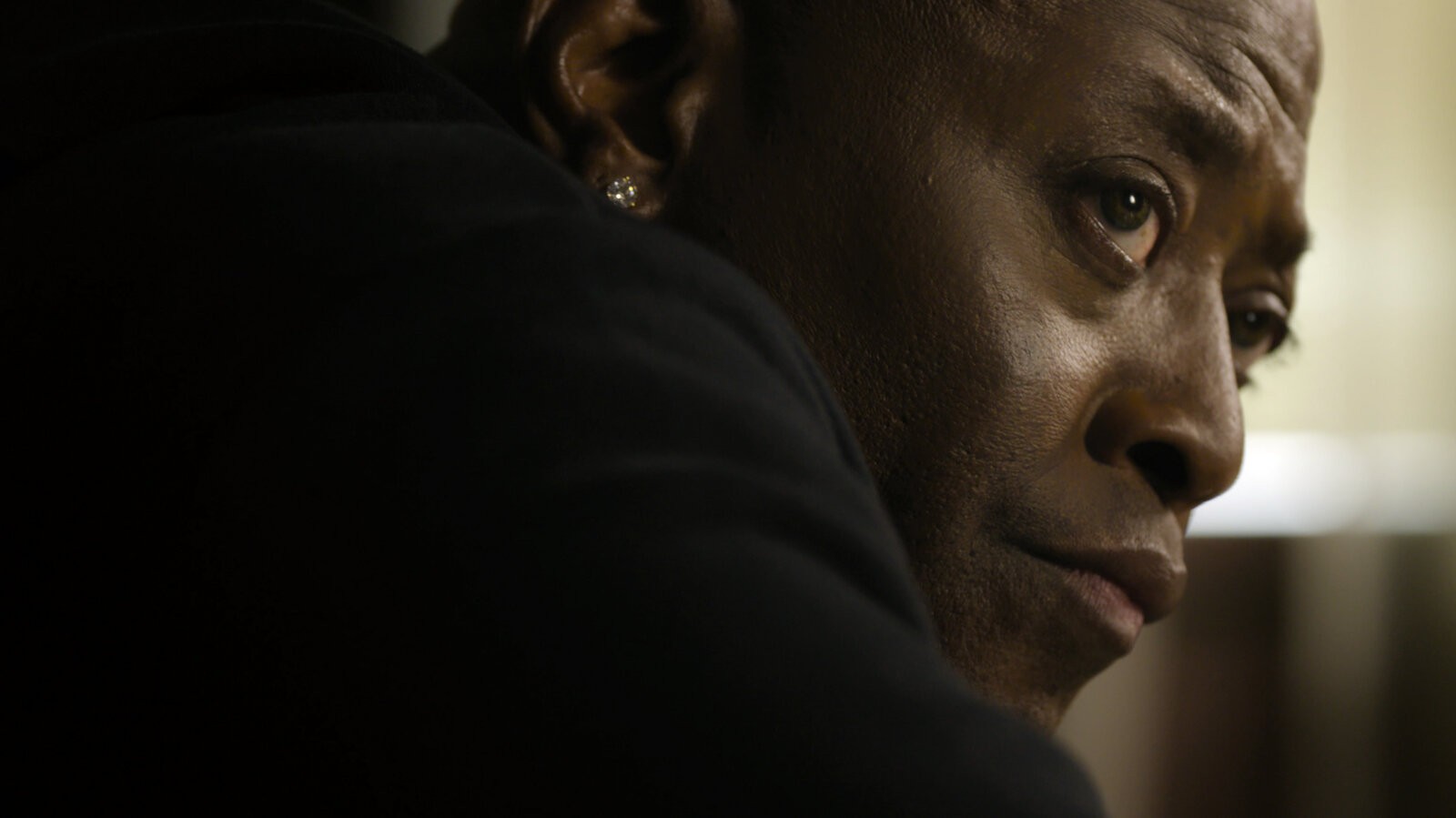
Omar Epps delivers a commanding performance as Malik, embodying both hardened authority and mounting vulnerability. His portrayal balances intensity with introspection; moments of quiet hesitation speak as loudly as bursts of anger. Epps convincingly depicts a man caught between reputation and redemption, particularly in scenes where panic attacks disrupt his otherwise controlled demeanor. His internal struggle feels authentic, grounding the film’s spiritual elements in lived emotional reality.
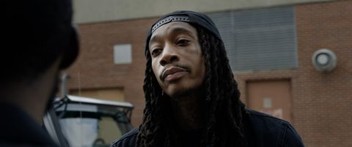
Wiz Khalifa’s 2wo-3ree provides a sharp counterpoint. Driven by ego and the desire for status, he represents the seductive pull of clout and unchecked ambition. Khalifa plays him with calculated swagger, gradually revealing the insecurity beneath his bravado. As he begins making decisions independently, the tension between loyalty and leadership fractures the group dynamic.
Moses the Black contrasts the cold, gray textures of Chicago’s streets with warmer, almost ethereal lighting during Malik’s dream sequences. Early scenes emphasize his authority through steady framing and confident blocking, presenting him as firmly in control. As doubt creeps in, the camera grows more restless, tight close-ups capture his anxiety, and shadowed compositions reflect his fractured state of mind. The city feels oppressive, its narrow alleyways and dim interiors reinforcing the sense that Malik is trapped between the life he knows and the life he might choose.
The film’s music, composed by Wiz Khalifa, underscores both its street sensibility and its introspective tone. Hip-hop rhythms anchor the narrative in contemporary realism, while subtler, atmospheric cues accompany Malik’s visions, blurring the line between psychological breakdown and divine intervention. The soundtrack never overwhelms but instead complements the film’s shifting emotional states.
At its heart, the film is not simply a crime drama but a story about choice. It asks whether a man shaped by violence can truly step away from it and what that decision costs. The narrative draws parallels to the historical Saint Moses, a former bandit who embraced repentance, suggesting that transformation is possible but never easy. The tension lies not in whether Malik can win a gang war, but whether he can survive the loss of identity that comes with laying down the sword. Its exploration of faith and street life occasionally brushes the surface rather than diving deep into theological complexity, but its emotional sincerity carries weight.