
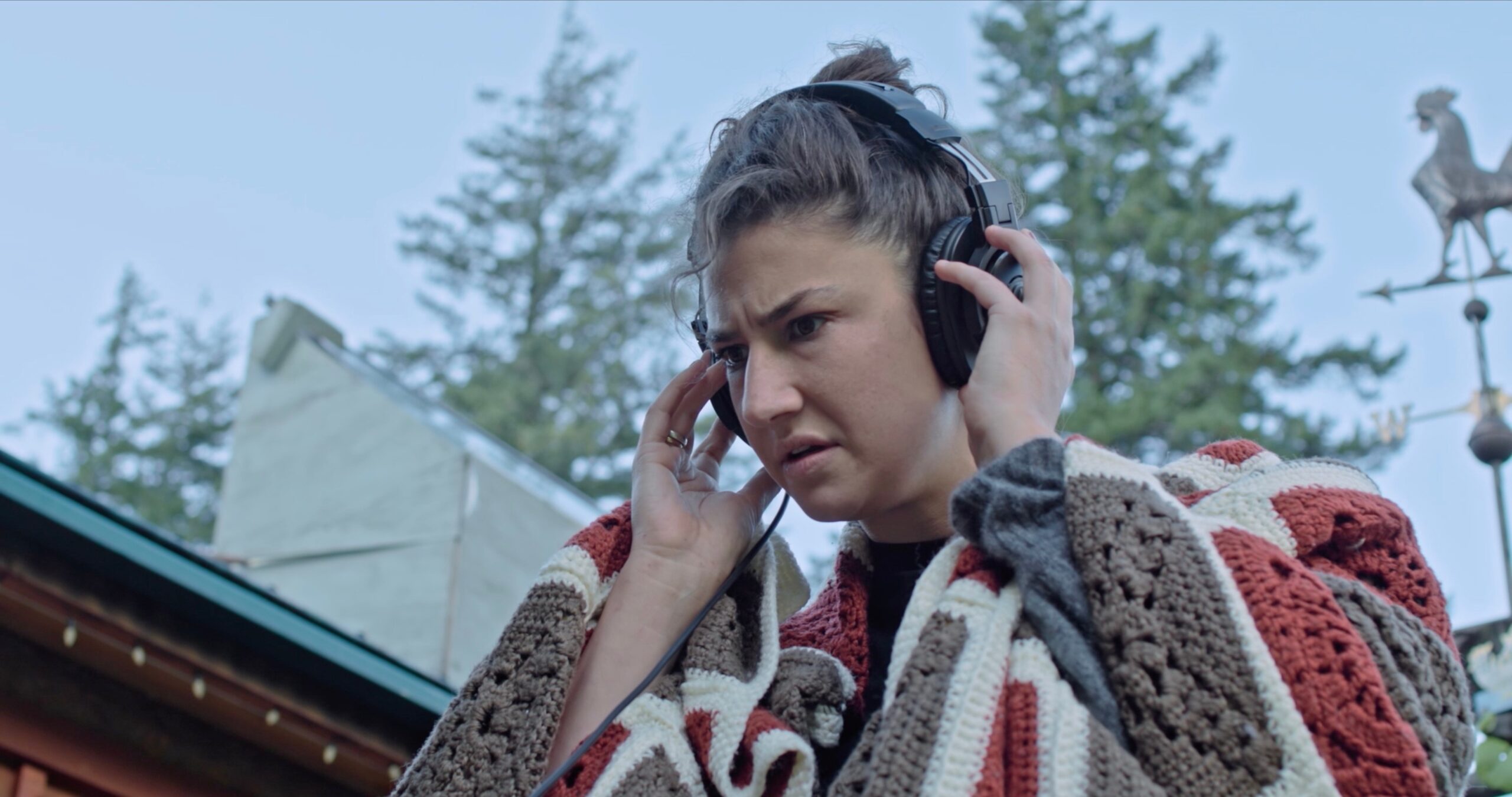
A group of friends, including Antonia, the lead actress, and her boyfriend Jeremy, the director, travel to an isolated cabin to film an experimental horror movie. What begins as a harmless creative exercise soon takes an unsettling turn, as tensions rise and the boundaries between fiction and reality begin to erode.
There’s a lot to unpack in this clever Meta/Found Footage film. When done well, Meta horror can be among the most inventive contemporary horror films, but combining that with found footage is a gamble. The subgenre is saturated with films, though we are long beyond the heyday when you couldn’t blink without another Blair Witch imitator. Anacoreta initially starts like a checklist of classic horror tropes: young people going into the woods, making a movie to justify the constant need for rolling cameras, and an isolated cabin. Yet it quickly becomes clear that this will be anything but your typical horror experience. Horror fans crave originality but are also quick to dismiss anything that might push too far outside expectations. Director Jeremy Schuetze, who co-wrote the film with Matt Visser as well as starring in it, takes on the challenge with confidence. The premise itself is an exercise in originality, and Schuetze’s understanding of the genre is evident in both the film’s structure and execution. While there are a few minor pacing issues, a common pitfall in found footage, it doesn’t significantly detract from the overall experience.
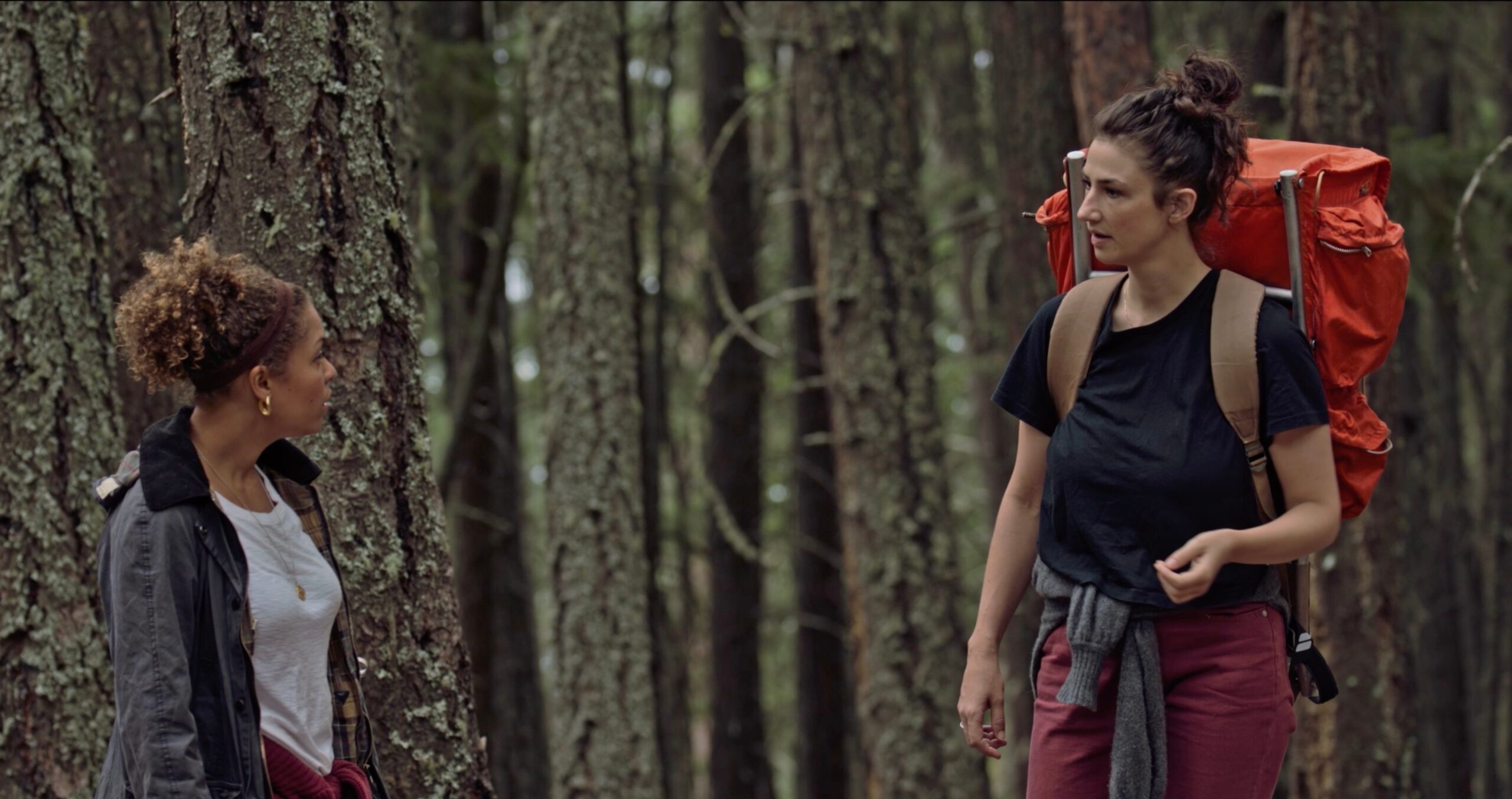
In another nod that shouts back to the golden age of found footage, the actors use their real names, further blurring the lines between performance and reality. It raises the unsettling question, are we watching an elaborate performance piece, or something more authentic? It’s a premise that could easily have collapsed into something resembling bad undergraduate immersive theatre, but the cast’s chemistry and commitment keep the illusion firmly intact. The true key to effective horror, and especially found footage, lies in the characters. It’s not about whether they’re likable; it’s about whether the audience can connect with them enough to stay invested. Found footage strips away many traditional storytelling tools, leaving performances to carry much of the emotional weight. The format walks a fine line between naturalism and artifice, where dialogue can easily feel either too casual or overly structured. Thankfully, the chemistry between the actors and a standout performance from Antonia Thomas help in grounding it. The interactions feel authentic and manage to keep the story moving while remaining believable.

Found footage filmmaking limits many of the stylistic tools directors typically rely on. You don’t have traditional cinematography. Instead of sweeping vistas or landscapes, you have a camera, often operated by one or two people. You are limited to that perspective. Yet the camerawork here is subtle, helping to enhance the story without devolving into the dreaded shaky cam. Benny Shuetze’s music and sound also elevated the entire experience. There are moments made so much more unsettling by droning tones or ambient music. The very existence of additional sound and music also furthers that blurring of what the audience is experiencing. Many Found Footage films don’t incorporate additional music because it goes against the nature of the subgenre. By including it, it further questions what the experience is, lending to the overall tone of the film.
Anacoreta is not a film that every genre fan is going to like. Much like The Outwaters and Skinamarink, Anacoreta is likely to spark discussion and division, the kind that accompanies films willing to challenge audience expectations. In the tradition of achieving a great deal with limited resources, Anacoreta is a welcome addition to independent genre filmmaking.
Anacoreta is now available to buy or rent.