
 What begins as a series of bizarre pranks quickly unravels into a frightening adventure involving childhood fears, unexpected friendships, and the things that go bump in the night.
Don’t Look Under the Bed is one of Disney Channel’s most underrated original movies, and arguably one of its scariest. While the network became known for lighthearted comedies and family-friendly entertainment, this 1999 supernatural fantasy took a much darker look at childhood fears. Directed by Kenneth Johnson and written by Mark Edward Edens, the film blends mystery, horror, and coming-of-age themes into a story about imagination, friendship, guilt, and the fears that follow us as we grow older. The movie delivers an entertaining Halloween adventure with an unexpectedly emotional center. The writing balances its supernatural mystery with the personal struggles of its lead character. Frances is a logical, serious teenager who prides herself on being intelligent and mature. When a series of bizarre pranks and destructive incidents begin happening around her neighborhood, she finds herself framed for the chaos. Determined to prove her innocence, she reluctantly accepts help from Larry Houdini, an imaginary friend who belongs to her younger brother. The premise creates an interesting conflict between Frances’s need for logic and a situation that requires her to embrace something she has spent years trying to outgrow. The mystery gives the story momentum, while the emotional material adds a layer of depth that keeps it from feeling like just another spooky Disney adventure.
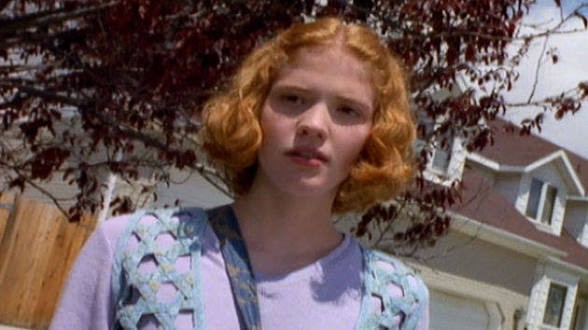 Erin Chambers brings a convincing seriousness to Frances. She is not particularly interested in being playful or whimsical, and Chambers captures the character’s desire to be recognized as someone who is intelligent, capable, and grown up. However, there is more happening beneath that exterior. Frances carries guilt surrounding her younger brother’s leukemia diagnosis because she cannot serve as a donor for him. She is also afraid of losing him, and that fear influences how she approaches the world around her. Her need to maintain control and appear mature becomes another way of managing emotions she does not necessarily know how to process. Chambers gives the character enough vulnerability to make her journey relatable, even when her skepticism makes her resistant to the very person trying to help her.
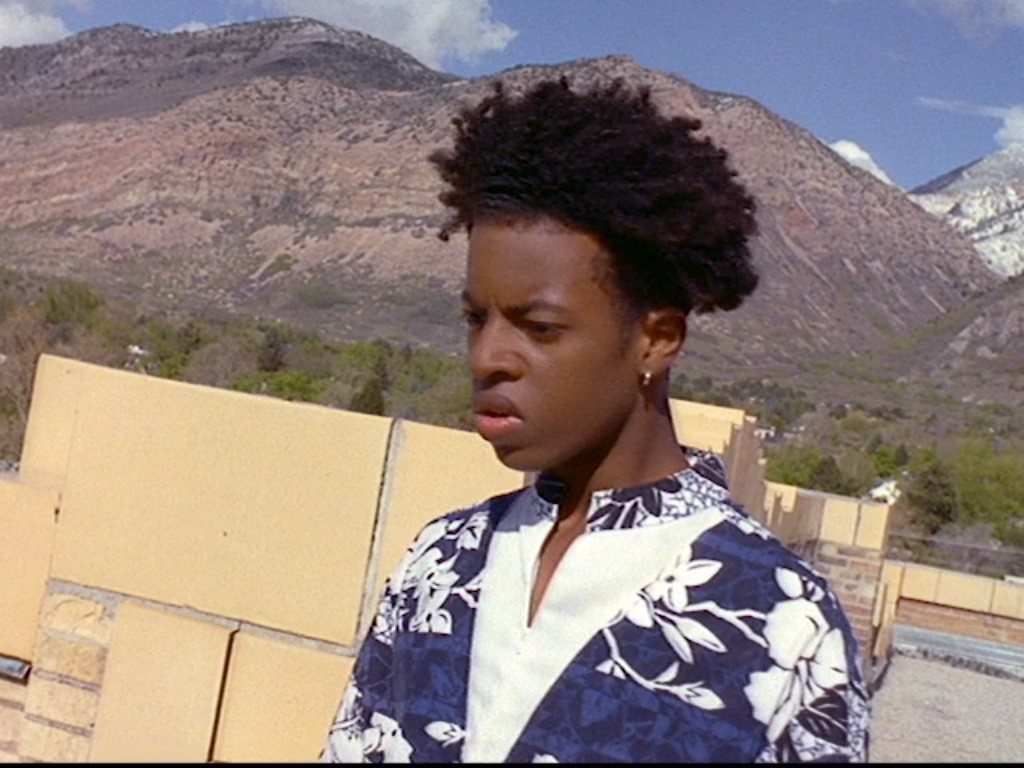
Eric “Ty” Hodges II, on the other hand, brings the personality and energy that make the film so enjoyable. As Larry Houdini, he is whimsical, adventurous, funny, and genuinely lovable. He is the complete opposite of Frances, and their contrasting personalities create some of the movie’s best moments. Larry approaches the world with curiosity and imagination, while Frances wants explanations and evidence. Hodges carries the film with an infectious performance that makes Larry more than a convenient imaginary companion. He has his own personality, motivations, and secrets, which gradually make the character more interesting. His relationship with Frances becomes the emotional backbone of the story, and the chemistry between the two performers makes their developing friendship believable.
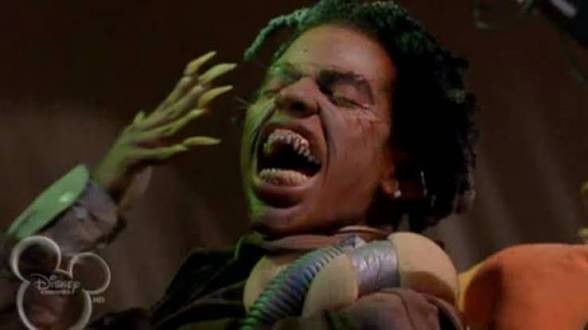
 The film’s visual approach and supernatural atmosphere deserve recognition as well. The Boogeyman is presented as a genuinely frightening figure rather than a comical monster designed to make children laugh. His vampiric appearance and unsettling presence give the story a darker edge, while the familiar setting of a bedroom makes the central childhood fear feel personal. The idea that something sinister could be waiting underneath the bed taps into a fear that many children recognize. The movie understands that the imagination can be a source of comfort, but it can also make the unknown seem terrifying. Its spooky imagery and frightening sequences give it a distinctive place among Disney Channel’s original movies. The Boogeyman also provides more than a simple villain for Frances and Larry to defeat. His presence forces Frances to confront the possibility that the world is not always as predictable as she would like it to be. The film uses the supernatural conflict to explore the relationship between fear and imagination, while also emphasizing the importance of trust. Frances has to learn that accepting help does not make her less capable or mature. Larry, meanwhile, becomes an important reminder that friendship can come from unexpected places and that being different does not make someone less valuable.
Interestingly, the film’s frightening content became part of its legacy. Don’t Look Under the Bed was the second Disney Channel Original Movie to receive a TV-PG rating for frightening content. Following complaints from parents who felt the movie had given their children nightmares, Disney Channel eventually removed it from its regular Halloween broadcast rotations after 2006. That decision only strengthened its reputation among viewers who remembered it as one of the network’s genuinely scary productions. Despite spending years outside the standard broadcast rotation, the movie remains available to stream on Disney+. The film ultimately remains a standout Disney Channel Halloween movie because it is willing to be a little darker, a little stranger, and more emotionally complicated than audiences might expect. Chambers gives Frances a relatable sense of vulnerability, but Hodges is the standout, bringing Larry to life with a charm that makes him difficult not to love. The combination of supernatural scares, memorable characters, and an underlying message about friendship and family makes this a worthwhile revisit.