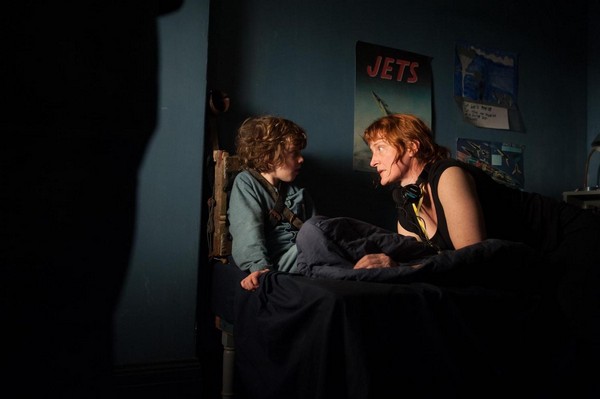
In 2005, after working as an apprentice to Lars Von Trier on Dogville, and with about a dozen acting credits to her name in tiny roles as extras and barely named characters, Jennifer Kent debuted her very first short film, a little known spookfest known as Monster. Taking home 4 awards, it seemed that might be the end of things with that story.
But that was far from the case.
Kent worked tirelessly behind the scenes, pricing herself again and again until finally, that one “yes” changed everything for her, and 9 years later in 2014, we were blessed with the wonderfully and disturbingly unique presence of The Babadook knocking at our doors.
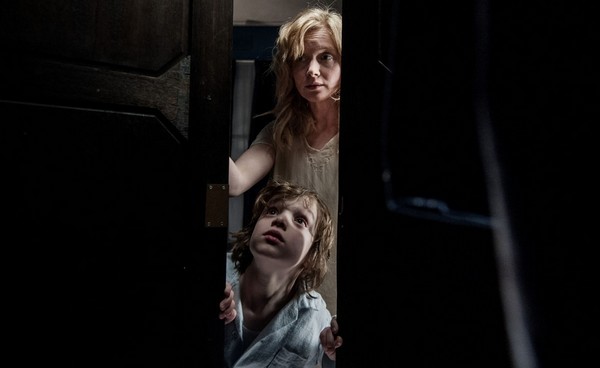
Trading jump scares and gore for something far more sinister and boldly allegorical, The Babadook embraced themes of loneliness, grief, and motherly love stretched thin in an unflinching depiction of a woman’s perspective on life and loss. With Essie Davis giving a raw portrayal of a mother pushed to near insanity, and with Kent refusing to look away from oft ignored emotions and feelings that women encounter in their daily lives, the film takes a relatable and well worn tale of a widow pushed to the brink and breathes an all new and fresh life into it. A life that could only be breathed into it by a woman in the director’s chair.
The Babadook is a stark reminder just how important representation is behind the camera, as the movie gives a truly unadulterated look at the real horrors of being an overwhelmed mother trying her best to hold things together for her son after the loss of her significant other, and, for the most part, failing. At least for the bulk of the film. Mothers aren’t always perfect, especially when they’re heaped with incredibly amounts of emotional distress and responsibility. However, Hollywood seems to like to romanticize the motherly figure as an interesting symbol of feminine strength, failing to realize that it’s as much a fairytale as Peter Pan and the Easter Bunny. We’re human. And humans make mistakes.
While The Babadook’s Amelia probably isn’t going to win any “mother of the year” awards, she does the best she can with the skillset she has, and for that, she deserves commendation. And, by proxy, so does Jennifer Kent for illustrating a real female character in a genre dominated by howling scream queens and sex starved objectified buffoons.
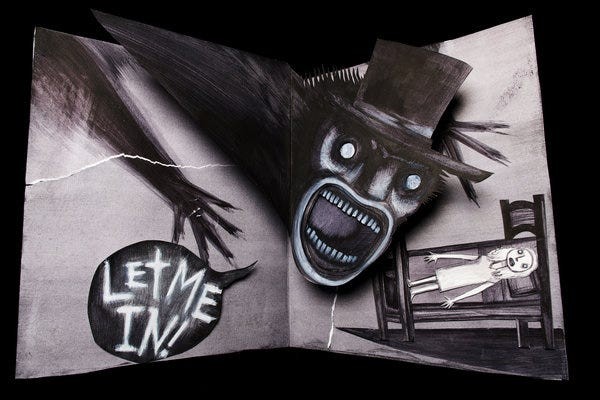
With a moody atmosphere that’s almost as bleak as the story itself, and with memorable monster design that sings the praises of the “less is more” approach, The Babadook is as much a horror as it is a study of motherhood and what it’s like to be a woman under pressure. Even over 10 years later, the film still stands up as poignant, relevant and brilliant, and Kent’s subsequent work on The Nightingale and as a contributor to Guillermo del Toro’s Cabinet of Curiosities, is criminally underrated. Here’s hoping that Alice + Freda Forever, a period piece with a focus on LGBTQ relationships, gains the traction and attention that her work definitely deserves.
The Babadook is wholly original and frightening in both an upfront and insidiously quiet way, and anyone who hasn’t seen it would be wise to give it a watch as soon as humanly possible. Whether it’s in a word or in a look, you need to go watch The Babadook.