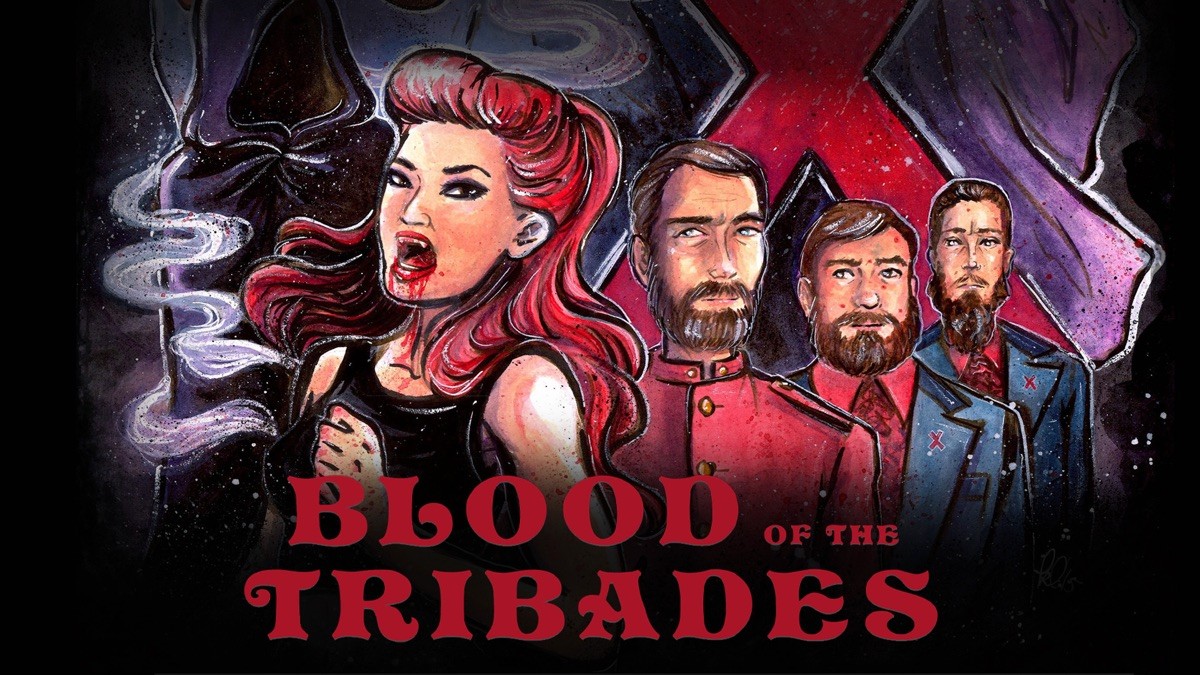
Two thousand years after the vampire Bathor established the village of Bathory, a growing tide of superstition and religious fanaticism fuels a bitter struggle for control between the men and women of the settlement.
The male vampires of Bathory are afflicted with a strange, mysterious illness, which they are convinced is caused by the female vampires. They have begun to hunt and exterminate the female vampires, believing they are unholy, and it is the only way for them to be cured. It is up to former lovers Élisabeth and Fantine, as well as those who had been banished long before, to try to stop their kind from being eradicated.
This is not a film where the vampires are the villains. The real danger comes from the men who allow fear and religious dogma to eclipse their humanity. From their first appearance, covered in sores that make their inner rot visible to the world, the film leaves little question about who is driving the cycle of violence. Even as they claim to be repulsed by the women and insist they must be punished and cleansed, they remain drawn to them. Sound familiar? Blood of the Tribades is not particularly subtle in its criticism, nor should it be.
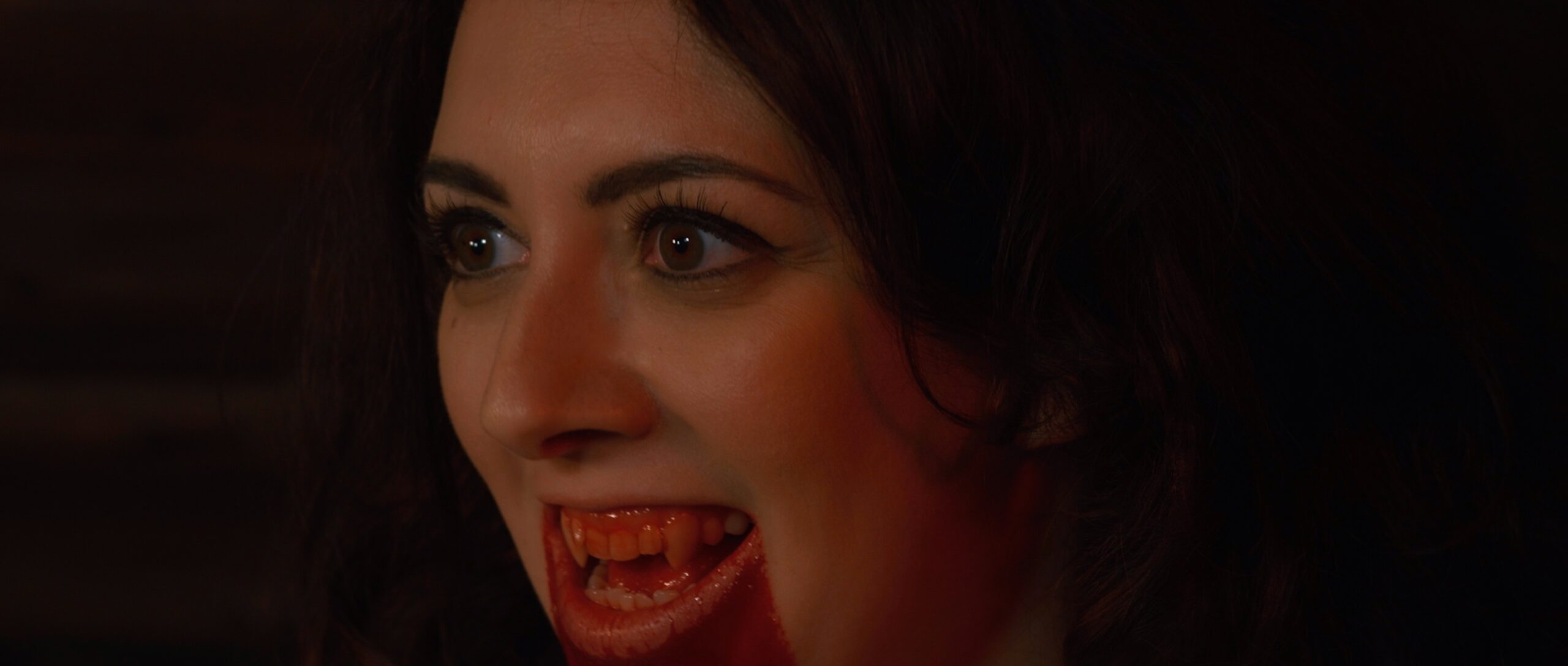
Directed, written, edited, and produced by Sophia Cacciola and Michael J. Epstein, Blood of the Tribades is a beautiful example of what independent horror can achieve. Every frame reflects the passion behind the project, while also showcasing the filmmakers’ deep understanding of the European lesbian vampire films of the 1970s. There is a heavy emphasis on atmosphere in the setting, the lighting, the music, and the costuming. And much like the films that have inspired it, Blood of the Tribades is not light on nudity. But don’t worry, Cacciola and Epstein are equal opportunists when it comes to what they show, and the men are just as naked as the women. There are also some delightful moments of humor. One particularly memorable scene I won’t spoil involves an arrow and a rather unfortunate man that will leave the audience both chuckling and feeling satisfied.
Beneath the camp, humor, and exploitation aesthetics, however, the film has something more serious on its mind. At one point, a character declares, “We have advanced while you remain stationary.” This cuts to one of the important themes of the film. Beneath the vampires and Gothic aesthetics lies a warning about complacency and the cost of inaction until danger becomes personal. It also doesn’t shy away from criticism of blindly following religious dogma. Few films manage to so faithfully recreate the aesthetic of 1970s European horror while also delivering such a clear and focused thematic message.
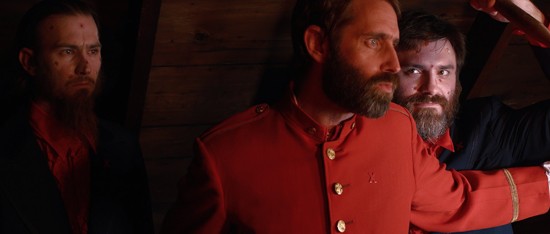
The actors are all fully committed in their performances. They exist in the same world and same style, which is not always an easy thing to pull off in a film like this. The care put into casting is evident, and there is chemistry in the ensemble as a whole that you don’t always see in a horror film. More importantly, the cast understands the tone of the film and never winks at the material, allowing even its most heightened moments to feel sincere. Seth Chatfield’s Grando is a memorable villain, and Chloé Cunha as Élisabeth and Mary Widow as Fantine bring a lovely subtlety to their characters.
If you’re looking for a deliciously queer vampire horror film to watch during Pride, Blood of the Tribades will not disappoint. There are so many thoughtful details woven into the film and its messaging that it is impossible even to begin to list them all in one review. With an impressive attention to detail, a beautiful dreamlike quality, and a whole lot of lesbian vampires, Blood of the Tribades is absolutely a must-watch.