
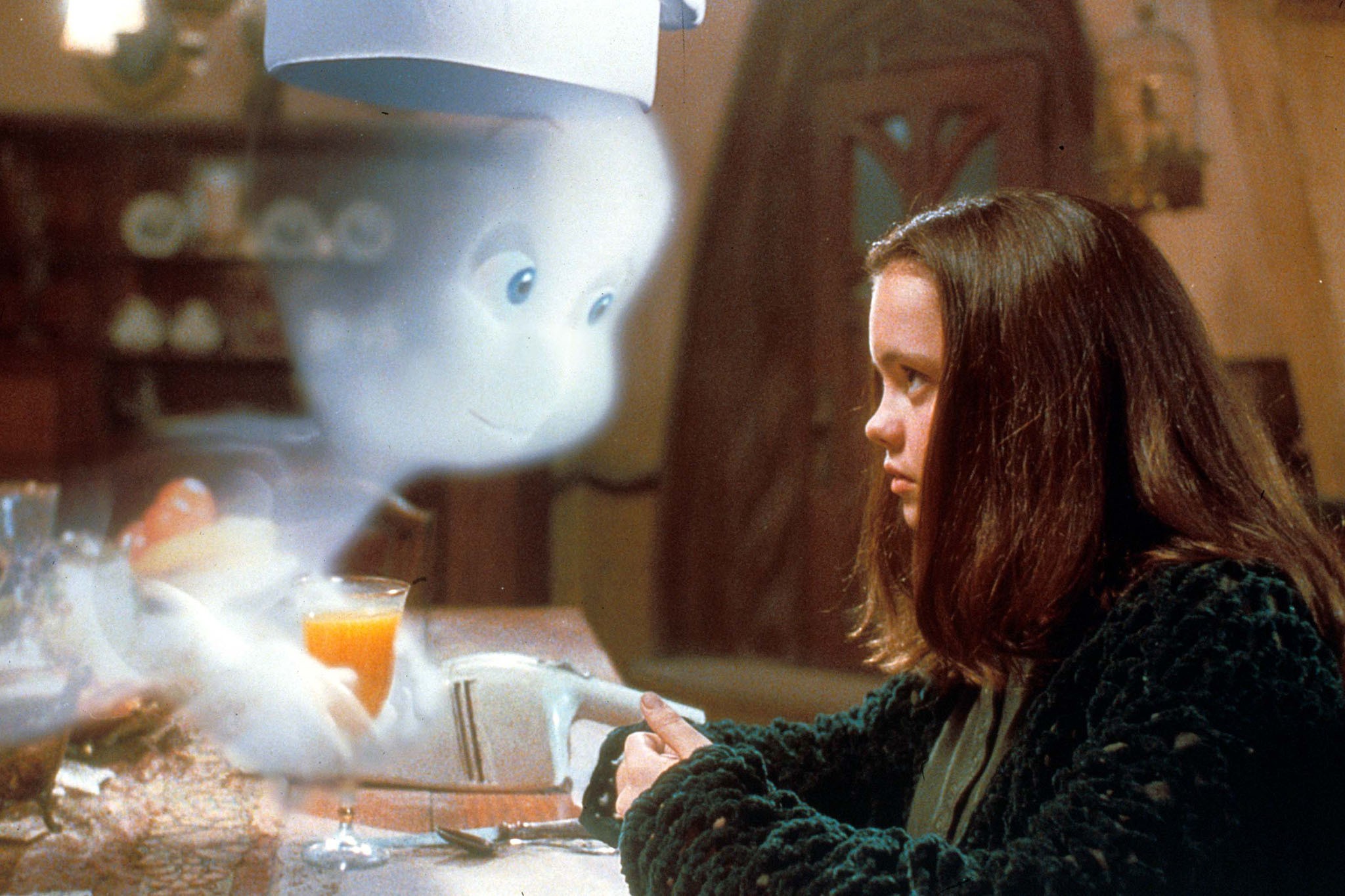
 What begins as a father’s attempt to communicate with the supernatural quickly becomes an unexpected story about friendship, grief, and the desire to belong.
Blending comedy, romance, and kid-friendly horror, Casper (1995) brings the beloved friendly ghost to a story that balances playful supernatural antics with surprisingly emotional themes. Directed by Brad Silberling in his feature directorial debut and written by Sherri Stoner, Joseph Oriolo, and Deanna Oliver, the film combines the charm of its cartoon origins with a more personal story about loneliness, loss, and the complicated meaning of family. While its humor and visual effects provide plenty of entertainment, the film’s emotional core is what gives it lasting appeal. Beneath the jokes about ghosts and haunted houses is a story about people searching for connection, even when the circumstances separating them seem impossible to overcome. The film follows James and Kat as they move into Whipstaff Manor, where James has been hired to investigate the supernatural residents preventing heiress Carrigan Crittenden from accessing the property’s supposed hidden treasure. While James attempts to communicate with the spirits, Kat discovers that one of them is not frightening at all. Casper’s growing friendship with Kat becomes the emotional center of the story, even as the uncles’ antics and Carrigan’s greed create increasingly complicated circumstances.
Christina Ricci delivers a strong performance as Kat Harvey, a teenager who has grown weary of constantly moving and struggling to find a place where she belongs. Still grieving the death of her mother, Kat must navigate adolescence while adjusting to life with her father, James, who is so focused on helping others process their encounters with the dead that he sometimes struggles to recognize his daughter’s emotional needs. Ricci portrays Kat with a combination of vulnerability, independence, and determination. She wants to experience the ordinary teenage milestones that seem to come easily to other girls, but her circumstances repeatedly make her feel like an outsider. When she meets Casper, however, she discovers someone who understands loneliness in a way few living people could.
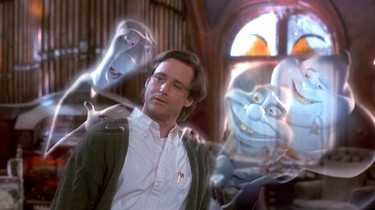 Malachi Pearson provides the voice of Casper, giving the friendly ghost a warmth and innocence that make him immediately likable. Unlike the frightening spirits traditionally associated with haunted houses, Casper genuinely wants to befriend the living. His kindness is particularly meaningful because he exists in a world where his attempts to connect with people are constantly complicated by his ghostly nature and the antics of his troublesome uncles. Pearson captures the character’s optimism without making him feel overly simplistic. Casper wants to be accepted, to experience friendship, and to understand what it means to be part of a family. His feelings for Kat introduce a bittersweet romantic element, as their connection develops despite the obvious barrier between a living teenager and a boy who no longer has a physical body. The film’s comedic energy largely comes from Casper’s three uncles, Stretch, Stinkie, and Fatso. Their mischievous behavior provides much of the supernatural chaos, creating a contrast with Casper’s gentle personality. They are selfish, disruptive, and frequently more interested in tormenting visitors than forming meaningful connections. Yet their presence also gives Casper a complicated family dynamic.
Casper creates a memorable supernatural world through its combination of practical production design and early computer-generated imagery. Whipstaff Manor is the perfect setting for a ghost story, with its crumbling architecture, shadowy hallways, hidden rooms, and mysterious atmosphere. The mansion feels both threatening and inviting, giving the film an environment where spooky adventures and emotional discoveries can happen side by side. The ghost effects were ambitious for their time, bringing Casper and his mischievous uncles to life in ways that allowed them to interact with the human characters. Although the effects may look dated by modern standards, they retain a nostalgic charm that suits the film’s fantastical tone.
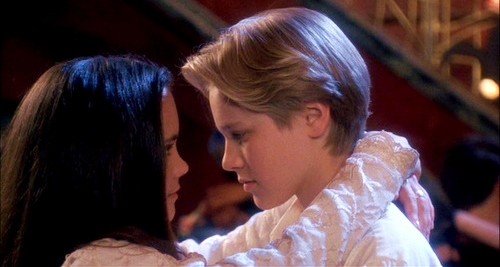 One of the film’s greatest strengths is its willingness to explore grief without abandoning its family-friendly tone. Casper’s condition represents a particularly painful form of isolation: he wants to participate in the world but cannot experience it as the living do. Kat’s grief, meanwhile, is tied to the absence of someone she desperately wishes she could see again. Their connection allows the film to explore loss from two different perspectives, showing how the desire to reconnect with someone can shape the way people understand their own lives. The story also examines sacrifice and love, suggesting that genuine connection sometimes requires putting another person’s happiness ahead of your own.
Casper remains a memorable supernatural fantasy because it understands that the most compelling ghost stories are not always about being afraid of the dead. Sometimes they are about the living struggling to move forward, and sometimes they are about spirits who simply want to be remembered. With its charming central character, engaging performances, imaginative setting, and emotional exploration of family and loss, the film offers more than a collection of Halloween-friendly scares. It is a story about finding friendship in unexpected places and discovering that even someone who seems completely different can understand your loneliness.