
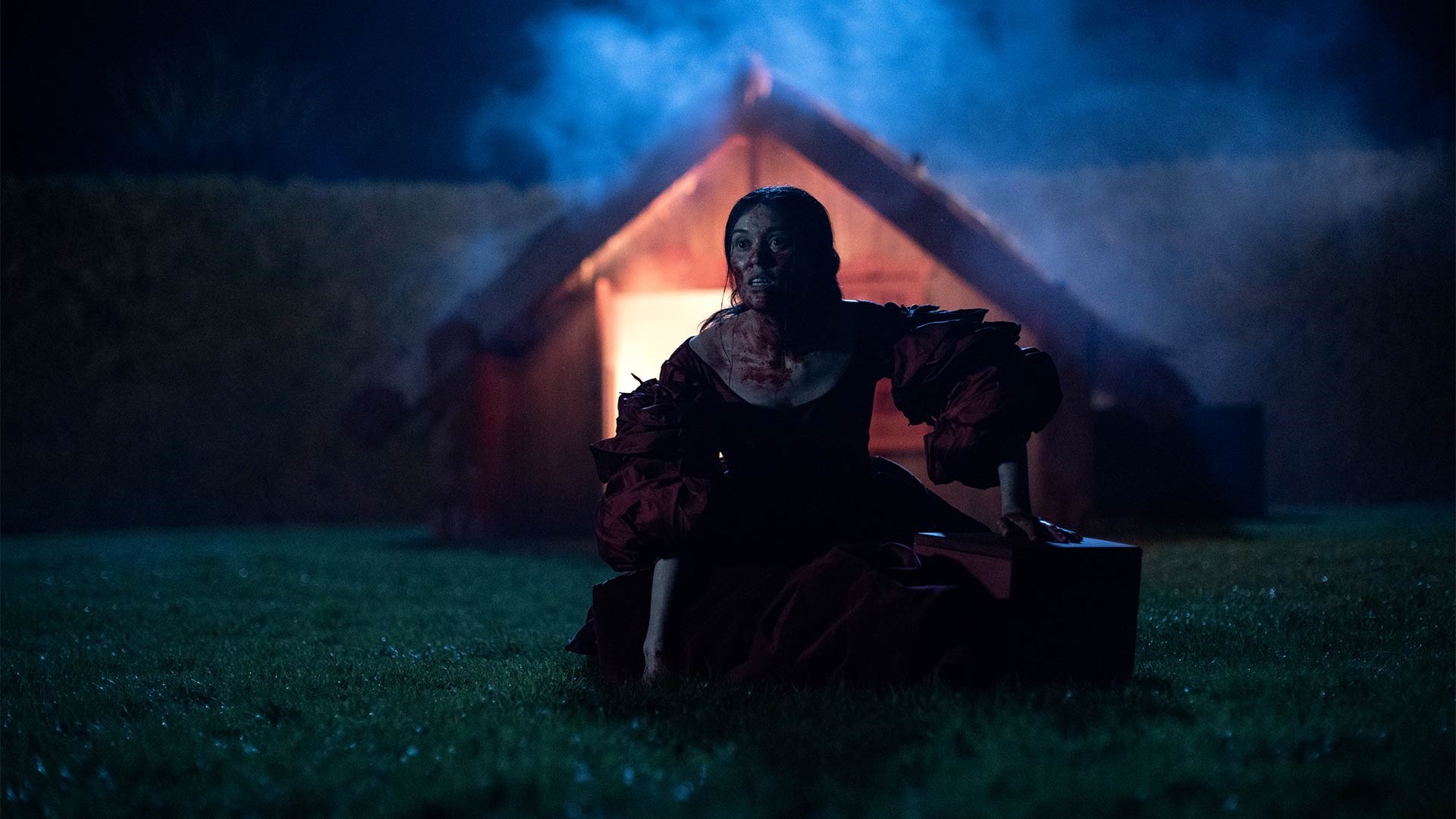
A young Māori woman, Mary (Mārama) travels from New Zealand to England to try and learn more about her family. Invited to stay and work as a governess, she quickly finds herself drawn into the secrets being kept in the house.
We’re all familiar with the trappings of Gothic horror, but Mārama may be one of the first films to so fully use the genre to explore themes of erasure, endurance, and reclamation through an anti-colonial lens. Mary was adopted as an infant but still raised with the traditions and history of the Māori, while desperately seeking her own personal history. After receiving a letter promising answers, she journeys across the world only to uncover more mysteries. She meets Nathanial Cole, a wealthy Englishman whose initial expression of admiration for the Māori culture is quickly revealed to be horrifying appropriation. He even transports a wharenui, a traditional home from New Zealand, which he keeps tucked away in a hidden garden. His claims of regard are a thinly veiled veneer for ownership and control.
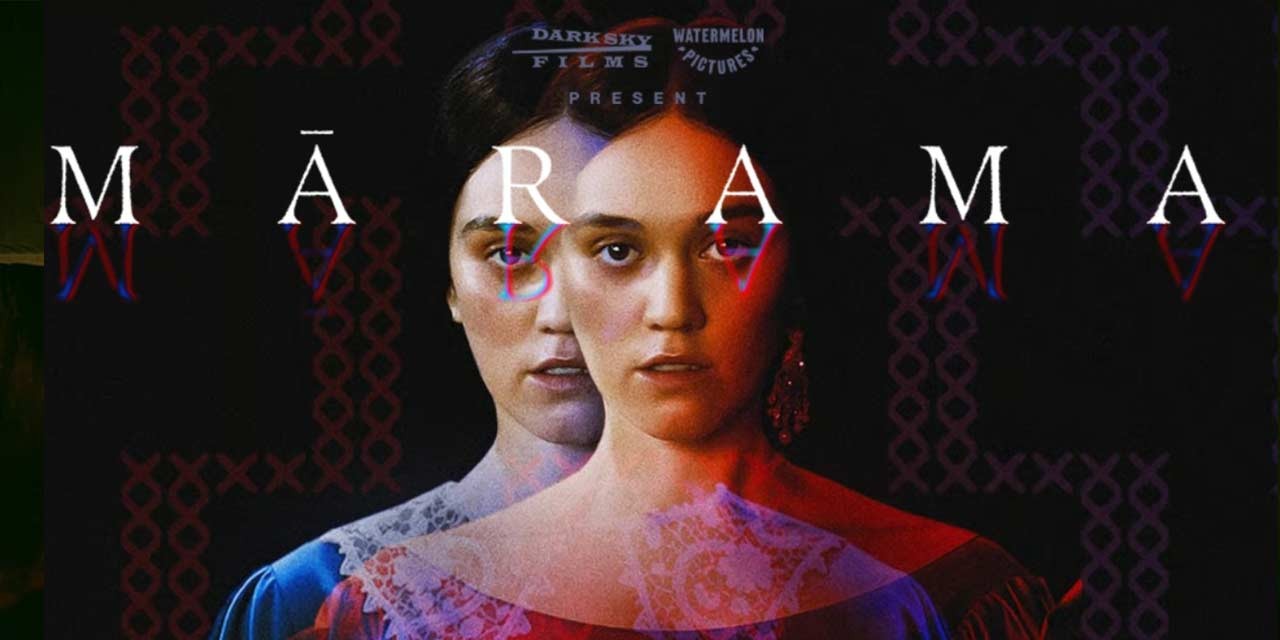
Written and directed by Taratoa Stappard, Mārama blends Gothic horror with historical trauma in a way that feels both haunting and deeply personal. The film is so tight, visually atmospheric, and impactful that it is almost shocking to believe this is Stappard’s directorial debut. While many Gothic stories can be slow to unfold, at no point does the pace feel meandering. There is a tense simmer throughout that keeps the audience engaged, and the storytelling remains economical while still feeling rich. Nothing is overexplained or overstated. Early flashes of events never feel frustratingly vague because there is a clear sense that the answers are coming. As the story unfolds, Stappard takes our understanding of Gothic horror tropes and subtly subverts them through the ways characters react and respond to unfolding events, breathing new life into familiar ideas.
In one of the film’s most stunning moments, Mārama responds to a group of white partygoers with an explosion of fury and strength. As the film continues and Mārama allows herself to fully tap into the strength of her ancestry and anger, the rage becomes visceral and the payoff deeply satisfying. At the screening I attended, the audience applauded at multiple points during these moments. The final moments of the film leave the audience with a genuine sense of catharsis. While there are a few storyline threads and character beats that could have been fleshed out further, they are never significant enough to undermine the success of this richly drawn story.
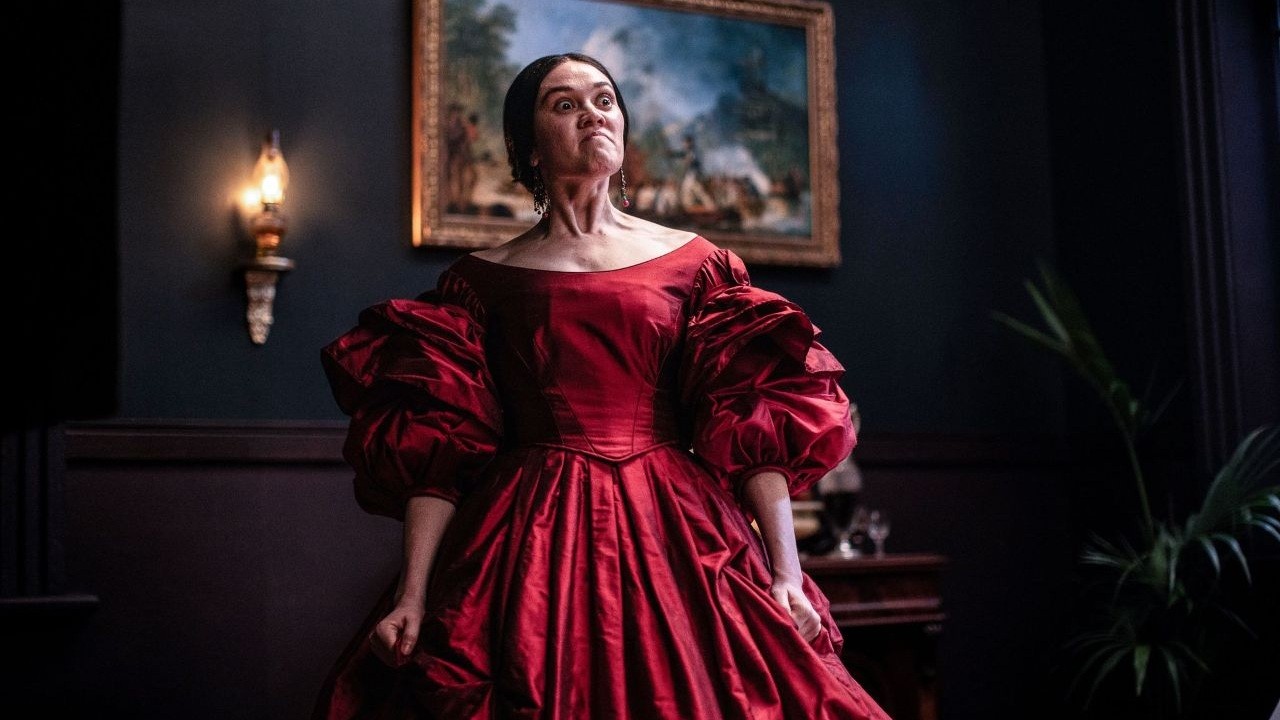
A huge part of the success is the flawless performances from every actor across the board. In a sea of strong acting, Ariāna Osborne’s Mārama is a masterclass of restraint, simmering rage, and finally release. Nothing is ever overplayed, and the constant thrum of emotion happening beneath the surface of her performance is palpable. Another surprising standout was Evelyn Towersey as 9-year-old Anna. Anna is an intelligent and thoughtful young girl, and a role that could have easily crossed the line into obnoxiously precocious and instead manages to stay grounded and real. Finally, Toby Stephens as Nathanial Cole gives an unsettling performance. Wrapped in a veil of civility, from the first moments, the audience can feel something is wrong, but they can’t pinpoint what it is. Cole is so effective at being accommodating and controlling that, despite the danger, it is easy to see how someone would be taken in by him.
If this is the first film we see from Taratoa Stappard, it is thrilling to think what more there is to come. With beautiful storytelling, strong visuals, and exceptional performances, you don’t need to be a genre fan to be impacted by this film.
Mārama, making its Seattle debut, is presented as part of the 52nd Seattle International Film Festival, running from May 7th through May 17th, 2026. See https://www.siff.net/festival for more.