
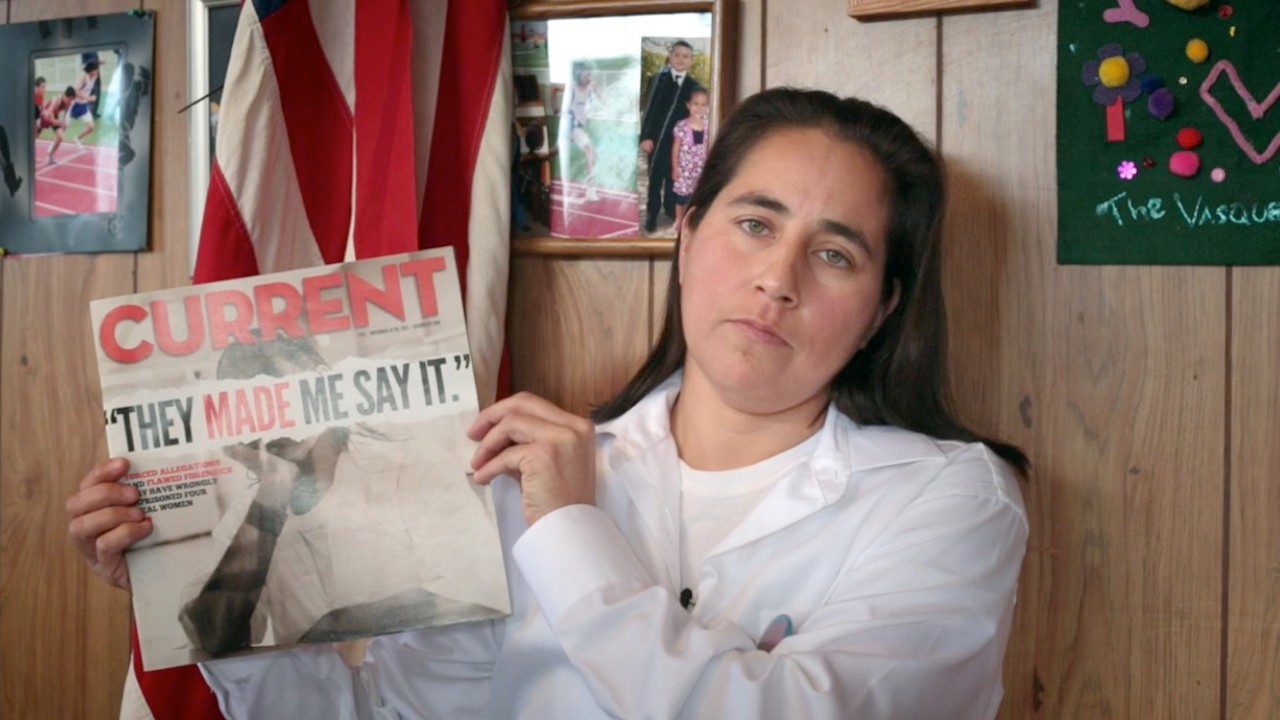
In 1994, four women, Elizabeth Ramirez, Cassandra Rivera, Kristie Mayhugh, and Anna Vasquez, were accused of sexually assaulting Ramirez’s nieces after they stayed the week with their aunt.
The case would go on to receive a level of notoriety in San Antonio, Texas, as it rode the tail end of the “Satanic Panic.” The women, four Latina lesbians, would be demonized and presented as deviants. One actual headline declared the young girls were, “sacrificed on the altar of lust.” It’s eye-rolling ridiculous if it weren’t for the fact that these women were all convicted and sentenced to 15 years in prison, save for Ramirez, who was sentenced to 37. This is in spite of the fact that there was zero real physical evidence. There were also questions surrounding the girl’s father, Ramirez’s former brother-in-law, who had reportedly been spurned after making advances toward her. Southwest of Salem introduces us to these women, their lives before, their lives in prison, and their eventual fight for full exoneration.
Deborah Esquenazi’s documentary will fascinate you, infuriate you, and leave you questioning how this injustice was allowed to continue for so long. At a time when true crime documentaries, television series, and podcasts remain hugely popular, Southwest of Salem is a reminder of the genre’s ability to do more than recount a crime. It can expose injustice, challenge flawed systems, and perhaps even help prevent history from repeating itself. Many people recognize there is bias in the criminal justice system, but the human consequences and implications of what that means can be lost on those who are not personally touched by it. It’s harder to ignore when given a face and a story.
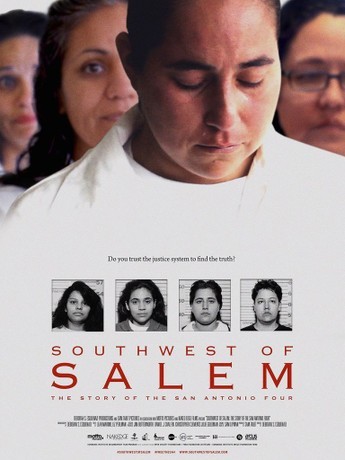
We meet the women early via prison interviews, and she masterfully utilizes home videos to show us the world the women lived in before it was all destroyed. Her approach isn’t clean or overly polished, and that’s a strength, not a weakness. The interviews aren’t staged in carefully lit studios. They’re filmed in living rooms, at kitchen tables, and inside prison walls. Rather than trying to hide or polish the rougher edges, Esquenazi embraces them. For viewers more accustomed to slicker true crime documentaries, it may take a moment, but this choice makes the documentary feel deeply authentic.
The result is that the audience is invited to live alongside these women. Vasquez and Rivera were together for seven years when they went into prison, raising Rivera’s children. Ramirez was pregnant and had to surrender her baby a short time after he was born. The number of lives disrupted extends far beyond the four women themselves. She’s incredibly smart in how she builds empathy, so that by the time we arrive at the trial, the audience understands what is being taken from these women and their families.

Esquenazi keeps us focused on the women. Though the court case and subsequent appeals drive the narrative, the documentary is ultimately about the women whose lives were forever altered by it. At a brisk 90 minutes, it will leave you wanting to delve even further into what happened and how. For anyone unfamiliar with the case, it carries tension as their story unfolds. Esquenazi doesn’t need to editorialize; the details of the case speak for themselves. The women speak for themselves. That is true strength in storytelling.
The documentary ends with the Texas Court of Criminal Appeals declaring the San Antonio Four “actually innocent.” There is no better way to end the film, or this review, than with the words these women spent decades fighting to hear:
“Those defendants have won the right to proclaim to the citizens of Texas that they did not commit a crime. That they are innocent. That they deserve to be exonerated. These women have carried that burden. They are innocent. And they are exonerated. This court grants them the relief they seek.”
Southwest of Salem: The Story of the San Antonio Four is readily available streaming on multiple platforms.