post

Daniel Blake Smith – An Indie Artist

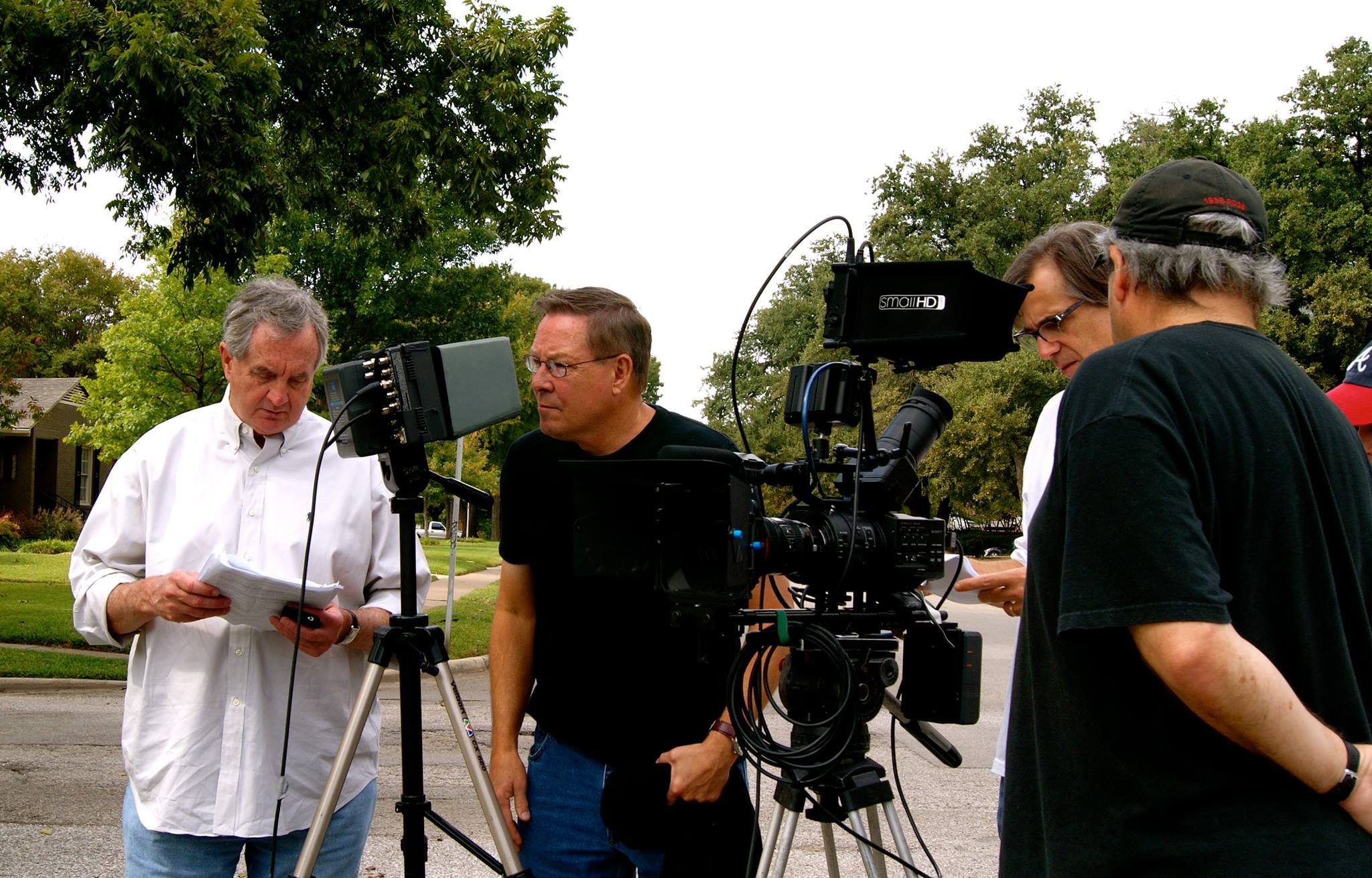
Daniel Blake Smith is an award-winning filmmaker at home in nonfiction and narrative genres. He wrote and co-produced the PBS-aired ”February One,” a documentary about the 1960 Greensboro, N.C., lunch counter sit-in that helped launch the Civil Rights Movement of the 1960s, and two prize-winning documentaries (both narrated by film star James Earl Jones) about Native American life: “Cherokee Legacy: The Trail of Tears,” and “Black Indians: An American Story.” Smith’s documentary biopic about Edgar Allan Poe (“Terror of the Soul”), starring John Heard and Treat Williams with music by Philip Glass, aired on PBS’ “American Masters” series, and his documentary “Kentucky—An American Story” (narrated by Ashley Judd) aired on Kentucky Educational Television. He wrote and produced the 2016 drama “Texas Heart” starring John Savage. In this episode, Dr. Smith (he also has a Ph.D from of Virginia) talks about his distinguished cinema career.
The episode is available here.

post

Think Pink: DePatie-Freleng Animation

This episode of “The Online Movie Show with Phil Hall” celebrates the Oscar-winning DePatie-Freleng Enterprises, the animation studio responsible for such beloved characters as The Pink Panther, The Ant and the Aardvark, Tijuana Toads and The Dogfather. Mark Arnold, author of “Think Pink: The DePatie-Freleng Story,” discusses the little-known history of the innovative artists behind these beloved animated shorts.

This program is produced at Platinum Wolfe Studios.

You can listen to the episode here.

post

Jan-Michael Vincent: Hollywood Tragedy

In the 1970s, Jan-Michael Vincent was a young and handsome actor that seemed on the verge of movie superstardom. But personal demons and professional disappointments derailed his life.

On this episode of the SoundCloud podcast “The Online Movie Show with Phil Hall,” film historian David Grove, author of “Jan-Michael Vincent: Edge of Greatness,” details the meteoric rise and painful fall of this remarkable personality.

The episode can be found here.

post

The Man Who Skied Down Everest (1975)

In concept, the 1970 endeavor to enable Japanese daredevil skier Yuchiro Miura to become the first athlete in his sport to descend Mount Everest seemed like an expensive folly: a $3 million budget that initially involved 850 men and 27 tons of equipment. And documentary footage covering this adventure seemed destined to become a standard-issue travelogue, at least in its initial journeys through too-picturesque stretches Nepal.

Continue reading →

post

Big Charity (2015)

Alex Glustrom’s documentary focuses on New Orleans’ Charity Hospital, a healthcare landmark that fell victim to political machinations in the post-Katrina period.

Founded in 1736, Charity Hospital was located at different locations over the years before the 1939 opening of its massive 2,680-bed facility. Originally operated by the Daughters of Charity religious order and celebrating for providing high quality medical care to patients of all races and economic conditions, the hospital was administered by the Louisiana State University (LSU) System in 1997. LSU advocated for a new medical facility in the early 2000s but was unable to obtain state funding. After Hurricane Katrina in 2005 – when the rescue effort to evacuate patients and medical staff was uncommonly lethargic – LSU abruptly shut down Charity Hospital even though the facility had been restored to functioning ability by the U.S. Army.

Continue reading →

post

Re:Orientations (2016)

In 1984, Toronto-based filmmaker Richard Fung released Orientations: Lesbian and Gay Asians, which focused on 14 men and women of South, East and Southeast Asian backgrounds. The film broke new ground in detailing both the increasingly visible LGBT community within Canada and the unique cultural challenges that Asian-Canadians faced both in the LGBT world, their own cultures and the wider national society.

Continue reading →

post

Invisible Roots: Afro-Mexicans in Southern California (2015)

It is estimated that more than one million Mexicans can trace some of their ancestry back to the African slaves brought to North America by the Spanish conquistadors in the 16th and 17th centuries. This documentary short by Tiffany Walton and Lizz Mullis focuses on a community in the Los Angeles area of Afro-Mexican heritage.

Continue reading →