post

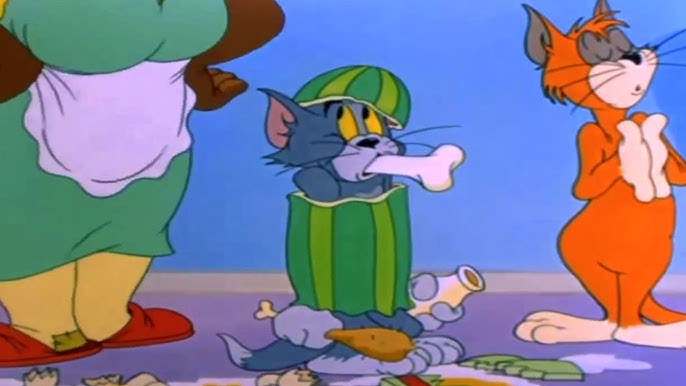
Old Rockin’ Chair Tom (1948)

One of the most misunderstood (and, subsequently, controversial) characters in animation history is the amply proportioned Black woman who appeared in 19 of the Tom and Jerry shorts. Contemporary sources refer to as “Mammy Two Shoes,” but that name was never used on-screen or in the screenplays – that moniker was first applied incorrectly in a 1975 Film Comment article and stuck ever since. Not only did she not have a name, but viewers never saw her face (outside of a split-second gag in the 1950 “Saturday Evening Puss”) and never truly understood her relationship to the troublesome cat and mouse duo. It is widely assumed she is a maid or housekeeper because she wears an apron, but if that is the case her (presumably white) employers are never shown or even mentioned. In “Saturday Evening Puss,” she refers to the residence as “my house,” suggesting homeownership rather than domestic servitude.
Continue reading →
post

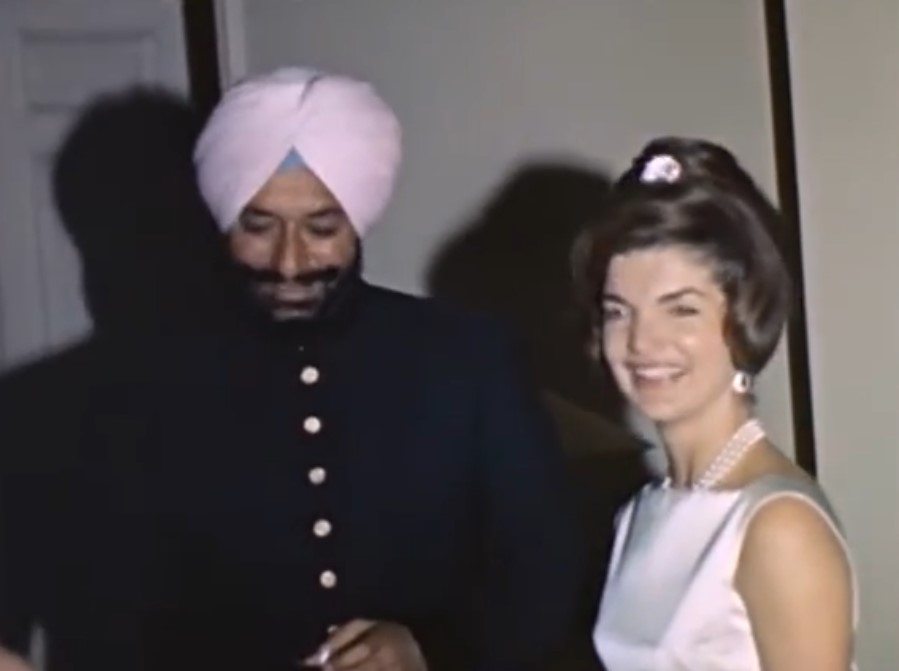
Jacqueline Kennedy’s Asian Journey (1962)

Long before Brett Ratner pointed his cameras at Melania Trump, another First Lady was given the big screen treatment. And while the resulting film may not have been a cinematic classic, at the time it proved to be an invaluable marketing tool for the administration of that First Lady’s husband.
Continue reading →

post

The Best Damn Fiddler from Calabogie to Kaladar (1968)

Most Americans have probably never heard of this movie, which is considered a classic of Canadian cinema. If you’re among those who know nothing of this work, please seek it out – it might be one of the best films you’ve never seen.
Continue reading →

post

Space Kid (1966)

In 1961, the animation team at Paramount Pictures created the character of Kozmo, a little Martian boy who comes to Earth and creates comic disruptions. Unfortunately, the first two entries in the Kozmo series, “The Kid from Mars” and “Kozmo Goes to School,” were dismally unfunny and the character was dropped.
Continue reading →