post

The 10 Weirdest Charlie Brown Parodies of All Time (Caution: NSFW Content)

Did you know that this year marks the 75th anniversary of the debut of Charles M. Schulz’s beloved Peanuts characters? Yes, Charlie Brown, Snoopy and their circle of friends began as a newspaper comic strip on October 2, 1950, and later expanded into television specials, movies, books and endless merchandising. They also inspired a genre of parody productions that frequently reconfigure the characters in ways that Schultz would never have imagined, let alone condoned.

For those with a warped sense of humor and no squeamishness over occasional deep dives into NSFW entertainment, here are the 10 weirdest Charlie Brown parodies that you’ll be able to find online.

Continue reading

post

Half-Wits Holiday (1947)

The Three Stooges’ “Half-Wits Holiday” is one of the saddest comedies ever made, not so much because of its content – which tries but mostly fails at being amusing – but because of its troubled production history. On May 6, 1946, the final day of the four-day shoot, Curly Howard suffered a massive stroke during the production that effectively ended his career. Curly’s health had been in decline since mid-1944 and it is believed that he endured several mini-strokes prior to making this short.
Continue reading

post

Poro College in Moving Pictures (1927)

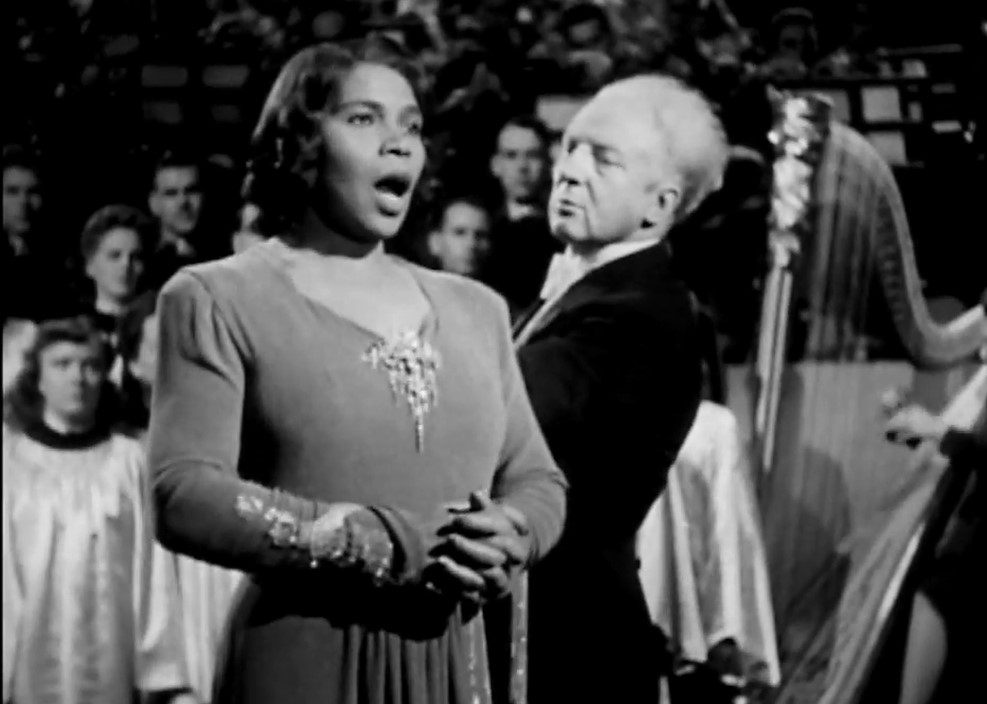
Annie Malone is mostly unknown today, but during the first quarter of the 20th century she had a profound impact on the empowerment of African-American women. Malone was a business tycoon, style trend setter, educator, philanthropist and role model. A documentary film made in 1927 presented an in-depth celebration of her extraordinary career – but the film’s disappearance mirrors Malone’s absence from most historical texts.
Continue reading

post

Wrong Again (1929)

Few film scholars elevated the 1929 short “Wrong Again” to classic status, but I’m willing to go out on a limb to suggest it deserves such an honorific classification. It was among the last wave of Laurel and Hardy’s silent output and had three future Oscar winners behind the camera – director Leo McCarey, cinematographer George Stevens, and screenwriter Lewis R. Foster – plus one of the most wonderfully original sight gags of all time.
Continue reading