
 Many filmmakers have spent decades examining the meaning of life and the state of existence, but we don’t often get the chance to explore the idea of existence after life. True, films like “Ghost” and whatnot have taken a more dramatic idea toward existence after existence, but what if the after life is nothing? What if there is no darkness or hell or heaven? What if there is simply the essence of what we once we lingering on and on after we reach some kind of conclusion and then cease to be for all eternity? Much of what David Lowery wants us to focus on is only important within the context of where the ghost of our protagonist is and what he chooses to focus on. A lot of M’s life is left for the character within the narrative to deal with and to hold on to, all the while Lowery focuses on the now.
Tag Archives: Arthouse
Three Billboards Outside Ebbing, Missouri (2017)
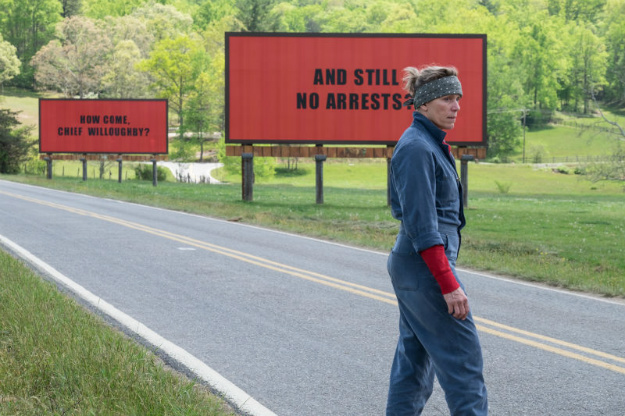 If there’s only one person who could have played Mildred Hayes, it’s Frances McDormand. McDormand is enormous in the role of Mildred Hayes, a flawed but fierce protagonist who is so rock solid, but shattered underneath what she eventually reveals to be a pure façade. One of the greatest moments in McDormand’s turn is the moment when she battles to save her trio of billboards as they inexplicably go up in flames. The battle is futile, but to her it’s everything. “Three Billboards Outside Ebbing, Missouri” is a poetic, and occasionally darkly funny film about revenge, as well as the fallout and the ripple effect that reactionary anger to tragedy can have. Much of Mildred Hayes’ life since we met her has been spent with a lot of anger and fury, and she’s been kept awake by the nagging notion that she may never get resolution on one horrendous period of her life.
The Shape of Water (2017)
 What “The Shape of Water” ultimately amounts to is Guillermo Del Toro’s own adoration for monster and romance cinema. Del Toro constantly evokes shades of “The Creature Walks Among Us,” and “Beauty and the Beast,” while also channeling Woody Allen’s “Purple Rose of Cairo.” Much like the latter, “The Shape of Water” depicts a somewhat whimsical romance in a world filled with misery and darkness at every corner. Del Toro has a lot to say about the ugliness of humanity and the ideas of what monsters truly are in this world and others.
Hagazussa: A Heathen’s Curse (2017) [Ithaca Fantastik Film Festival 2017]
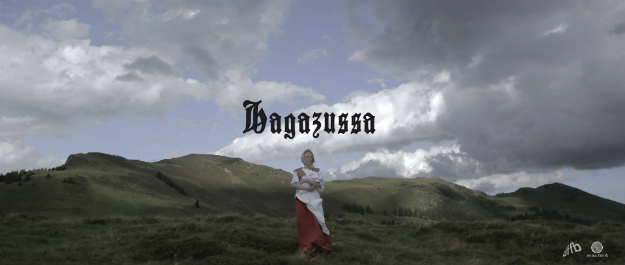 A woman living in the Alps is surrounded by superstition, darkness, and possibly a touch of supernatural. Her life has started with darkness and may very well end in darkness.
Tigers Are Not Afraid (Vuelven) (2017) [Ithaca Fantastik Film Festival 2017]
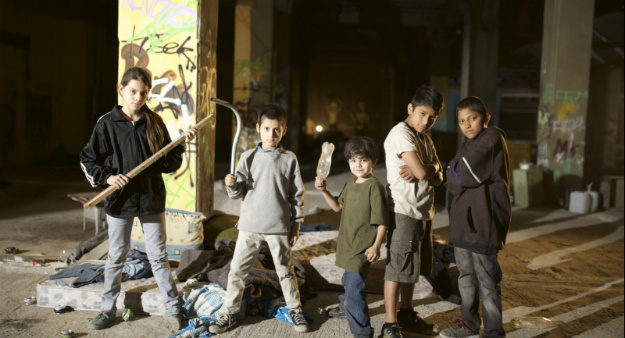 After her mother disappears, a young girl joins a group of street kids trying to survive in a world of violence, drugs, and gangs. Through stories and fairytales, they keep each other going.
La pazza gioia (Like Crazy) (2016) [San Diego Italian Film Festival 2017]
 Two women interned in a psychiatric facility in Tuscany escape looking for a little bit of happiness.
Written by Paolo Virzy and Francesca Archibugi based on a story by Virzy who also directs, La pazza gioia is a lovely story of two women with not much in common coming together to try and find some happiness. Given that both are crazy leads to this being complicated by where they live and their issues as well as how they are viewed on the outside of the facility. These characters are charming even as their issues come to light and they are clearly not completely innocent. Their background is explored in a way that gives a view on mental facility patients that is not all negative. It’s a view on them that is gentle, loving, and caring. The characters are shown as humans first, crazy second. Their goals are like anyone else’s; they just go about things a bit differently. The way the film approaches mental health is refreshing as the story is not at the expense of the patients but respectful of them and their beings. They are fully fleshed characters and not caricatures of their issues, something that brings the viewer in and creates a story that is easily enjoyed while showing how hard life can be for people with mental problems and issues.
Indivisibili (Indivisible) (2016) [San Diego Italian Film Festival 2017]
 Conjoined twin sisters Daisy and Viola are singers in high demand for baptism, first communions, and other community events in their small town and area. As they turn 18, one of them wants her freedom no matter the cost.