post

Life Without Soul (1915) — The Lost Frankenstein Film

For many years, the 1910 version of “Frankenstein” was the subject of endless speculation when the film was believed to be irretrievably lost. The agitation over its absence was understandable, since it represented an early foray into the horror genre and it was the first film adaptation of the Mary Shelley novel.

Strangely, much less interest has been generated by the second film version of the Mary Shelley novel. This 1915 production, titled “Life Without Soul,” was somewhat closer to its source material than the 1910 film, and it was later at the center of one of the most unusual intellectual property legal cases to emerge in the 1930s.
Continue reading

post

Mr. Mike’s Mondo Video (1979)

Initially planned as a TV special to air when “Saturday Night Live” was on hiatus but rejected by NBC for being too risque and vulgar, “Mr. Mike’s Mondo Video” created a minor brouhaha in 1979 when it was theatrically released. Viewed today, however, there is absolutely nothing edgy or provocative to be found in Michael O’Donoghue’s spoof of the classic shockumentary “Mondo Cane.” In fact, the film is downright tame and dull by contemporary standards.
Continue reading

post

The Disney Princess That Never Was: Mary Pickford as Alice in Wonderland

There has been a great deal of talk about whether Rachel Zegler was the right person to play the title character in Disney’s “Snow White.” However, the first woman who was considered to be a Disney was even less likely for the role she was considered to play.
Continue reading

post

Snow White and the Three Stooges (1961)

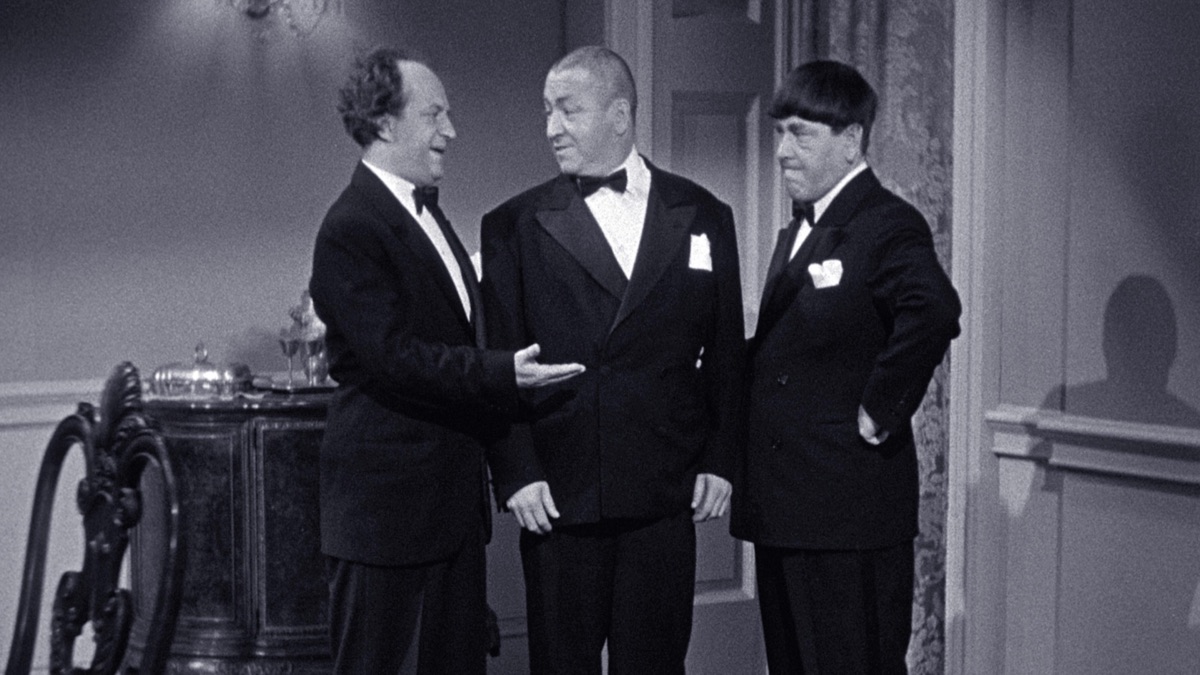
Disney’s live-action version of “Snow White” is coming the theaters this Friday and the advance word on the production is not positive. Perhaps this is a good time to recall another live-action version of “Snow White” that fell very far short of the 1937 animated classic “Snow White and the Seven Dwarfs” – the 1961 big-budget mess known as “Snow White and the Three Stooges.”
Continue reading

post

Grandma Moses (1950)

During the 1940s and 1950s, the most unlikely figure to emerge in the American art scene was Anna Mary Robertson Moses. The widow of a farmer in upstate New York, she began painting at the age of 78 because arthritis made it difficult for her to pursue needlework. Going by the moniker of Grandma Moses and coming to the medium without formal training, she created an extraordinary output of lively and invigorating paintings that recalled her rural world in the second half of the 19th century. Although her work was identified by the vaguely condescending category of folk art, her invigorating use of color and the surprising complexity of her subject matter captivated Americans – even Presidents Truman and Eisenhower celebrated her artistic achievements.
Continue reading