Alive in Joburg (2006)

The success story behind “Alive in Joburg” is one of the many interesting successes of the indie culture. Director Neill Blomkamp created this short mock documentary film in 2005, gained a cult status, was later expanded into a feature length film becoming “District 9,” gained worldwide praise from critics and genre fans, won many awards and eventually became a contender for best picture in the Oscars. It’s an astounding tale of a humble indie production turning in to a rather fantastic masterpiece.

Continue reading

A Short Film about Letting Go (2009)

Many people have observed this and I think it’s basic fact that often it is much easier to write a bad review for a movie than it is a good one. In my case if a movie is awful, it is incredibly easy to write something negative and livid because sometimes the bad movies can inspire more creativity. When it comes to writing about a good movie, it’s almost impossible because the emotions just swell up and basically can’t translate well in to the proper words. That’s what it was like writing a review for “A Short Film about Letting Go.” Director J. Erik Reese’s film is so effective, so raw, and so beautiful, it’s impossible to describe how much I enjoyed it.

Continue reading

The Quentin Tarantino Report Card

I don’t know if you can call Tarantino the best director of all time. He’s not even the most original director of all time. The man rips scenes and plot elements from many films and calls them tributes and homages. Let’s be realistic, most of the general movie audience won’t be able to pick up 95 percent of the references and nods he includes in his films. Until reading it, I thought Hattori Hanzo was an original character created by Tarantino, and I originally thought the final stand off involving the shadows in The House of Blue Leaves was amazing until I read it was a basic shot for shot copy of a scene in “Episode One.” Fans of Asian cinema have even claimed Tarantino remade “City of Fire” and simply renamed it “Reservoir Dogs.” Many film critics and knowledgeable film buffs have conceded that Tarantino does indeed fancy himself an auteur and blatantly pilfers obscure cult films and directors.

But the questions linger: Is there a certain line where an homage becomes outright plagiarism? And does plagiarism automatically devalue the artist behind it? Hell, even Tarantino has admitted to taking from other films to form his own stories and confesses to it proudly. And yet in spite of his self indulgence, egomania, and rather self-aggrandizing temperament the man is still a very popular filmmaker in Hollywood. What about the man appeals to even the most cynical cineaste? Is it his unabashed enthusiasm? His roots as a school drop out turned film fanatic? Or the fact that he knows how to competently structure stories?

Even in spite of the derivations and blatant plagiarism Tarantino is still very well loved and has even inspired College courses and dissertations and has prompted many to debate about what his true impact on film will be and whether or not he is still just a fad. His words and influence certainly are powerful in spite of his retractors, and his films continue to inspire many aspiring filmmakers. Being a casual fan myself, I thought with his recent success of “Inglourious Basterds” and his recent bid of respect for his roots by purchasing the ailing New Beverly Cinema, that it’d be interesting to look at the films he’s directed. The man certainly will leave a legacy behind him because in spite of lacking originality, he really knows how to make movies.
Continue reading

The World, the Flesh and the Devil (1959)

JOKdrSaDirector Ranald MacDougall’s 1959 classic thriller is a film that presents a much more shocking and jarring vision of the end of the world than most contemporary apocalyptic horror films and dramas. And that’s mainly because if you’ve never seen this you’d never know that most of the elements from this were stolen by most horror films. Including Will Smith’s version of “I Am Legend,” and even “Night of the Living Dead” to some extent. The last man on Earth is an African American man forced to travel by his wits alone. He is forced to deal with cabin fever and loneliness, tries to contact other human life by radio waiting for signals everyday, and yes, he even props up mannequins around the city to engage in conversations with which not only indicate his sense of isolation but his fading sanity.

Continue reading

The Legend of Rune Wraith (2010)

runewraithIt seems the more Larry Longstreth forms his own niche in indie films the more bizarre his comedy gets and that’s not a bad thing. Because even the most unusual concepts are pulled off because Longstreth is never afraid to go over the top and stretch the confines of the genre he is most comfortable in. “The Legend of Rune Wraith” is a full on display of the abilities of Longstreth who seemingly improvises most, if not all, of the lines here.

Continue reading

The Box (2009)

THE-BOXWhat director Richard Kelly has done is basically taken Richard Matheson’s short story that worked well in the confines of a thirty minute anthology series like “Twilight Zone” and basically stretched it in to nearly two hours. “The Box” by all accounts should have been an instant win, but it’s a short story stretched in to a grueling two hour period. Kelly continues his fall from grace (Southland Tales, I’m looking at you) creatively by helming a miscast and pretty terribly written loose adaptation of Matheson’s original story that features James Marsden and Cameron Diaz as a Virginia married couple facing dead end jobs and unemployment. Conveniently they receive a package one morning housing a box with a red button that presents to them a most tempting offer.

Continue reading

Avatar (2009)

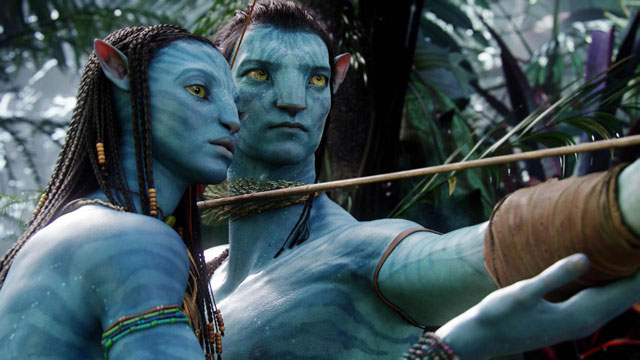
avatar

Watching “Avatar” is like watching a magic show. There’s lights, and sounds, and smoke, and hand waving and it’s mesmerizing if you watch without caution, but if you manage to go back stage and see what’s really happening, you’ll find that what show there is is all just an illusion, it’s all just razzle dazzle with an empty center. That’s what James Cameron’s phenomenon is like sitting through. An exhausting two and half hours basically amounts to nothing more than a carnival ride, an experience that’s interesting sure, but easily forgotten once you’ve decided to move on to the next light show waiting for you. I’m not one to besmirch Cameron for giving us this movie because no matter what I say the general consensus has been that American audiences and movie goers around the world have accepted it, but I’m one of the few who see behind Cameron’s smoke and mirrors and just craved more.

Continue reading