
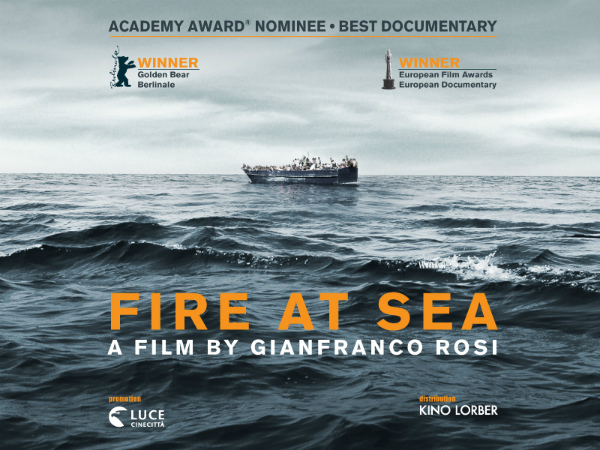
 In this documentary, the migrant crisis of Italy is shown through life in Lampedusa, a city by the sea and a port of entry to Europe for refugees.
Tag Archives: Documentary
Geek Girls (2017)
 What is it like to be a geek girl? How does the rest of the geek world welcome you? This documentary looks to explore and shine a light on what it’s like to be a woman in a very particular men’s world, the way they are treated, how they have to adapt to basically survive. In a world where people are threatened with doxxing, rape, and murder for being different, women find a way to make it work and get to enjoy their fandoms and interests.
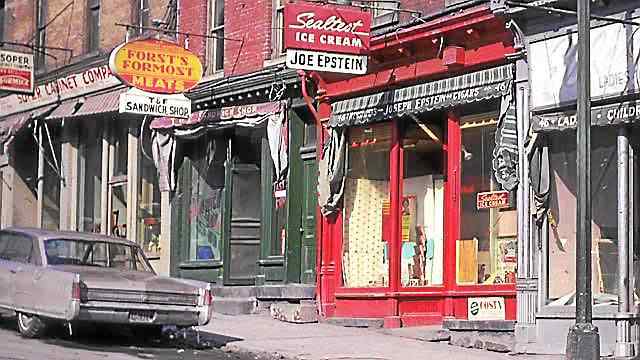
Lost Rondout: A Story of Urban Renewal (2017)
Stephen Blauweiss and Lynn Woods’ documentary considers a 1960s urban renewal project that had the opposite effect on its intended target.
The Houses October Built 2 (2017)
 Bobby Roe’s “The Houses October Built” was a solid Halloween entry that mixed a documentary with a horror mystery quite well. The follow up years later, practices the very same formula but further explores the back story of its villains “Blue Skeleton” from the first film. Are they evil? Are they anti-heroes? Are they a cult? Are they Halloween fanatics that work to the extremes of Banksy? The first film was a surprise indie horror hit and the sequel seeks to touch on the same narrative ebbs and flows, while also packing in some refreshing twists and turns that I very much appreciated. Like the first film, “The Houses October Built 2” is partly a documentary and partly a mystery horror film that takes off directly from the first film.
The Houses October Built (2014)
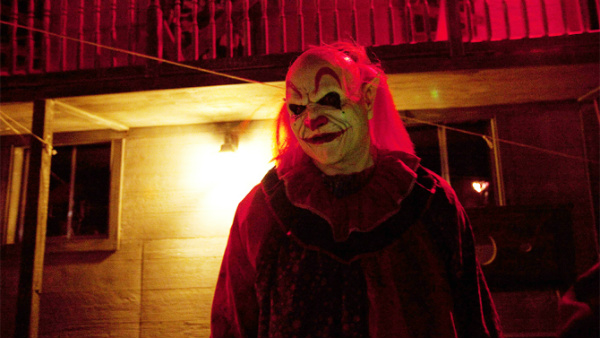 I’d have a hard time calling “The Houses October Built” a masterpiece, but I do think it has potential to become an ambience builder for future Halloween parties. I can see people playing this on a constant loop during the really adult and sinister festivities. While that may seem like a jab at the movie, I actually think that’s a compliment, as where “The Houses October Built” lacks in engaging characters, it makes up for in the Halloween mood and an interesting commentary on modern America and the general sentiment toward Halloween.

The Lost City of Cecil B. DeMille (2017)
Cecil B. DeMille’s first foray into Biblical spectacle was his 1923 epic “The Ten Commandments,” which features a recreation of ancient Egypt – complete with 20 sphinxes and four massive statues of Ramses – built on the beaches of the town of Guadalupe in California’s Santa Barbara County. When production was completed, DeMille worried that his massive sets would be commandeered by rival filmmakers, so he had them buried in the sands.

The Bootleg Files: The Compleat Beatles
BOOTLEG FILES 606: “The Complete Beatles” (1982 documentary).
LAST SEEN: It can be found via online video sites.
AMERICAN HOME VIDEO: On VHS and LaserDisc.
REASON FOR BOOTLEG STATUS: The cute Beatle kiboshed it.
CHANCES OF SEEING A COMMERCIAL DVD RELEASE: Yeah, yeah, yeah…not!
In the aftermath of the December 1980 murder of John Lennon, there was a huge outpouring of nostalgia for all things Beatles. Record sales of the classic albums spiked, and a wave of news coverage recalled the legendary band’s impact on music and popular culture.