
 It’s important that we look back on the history of physical media, since the beginning of physical media for movie collectors was never Hollywood’s biggest plan. Since the creation of the home reel projector, studios have been working hard to fight the appeal of physical media, and now with its decline, we’re reverting to digital copies of films that can be monitored. With its introduction, comes the potential decline of honest independent filmmaking, and filmmakers that have an even playing field with Hollywood. That becomes an uphill battle as the physical media that does exist is nothing but overstocked Hollywood dribble, with stores openly refusing to stock independent cinema.
Tag Archives: Documentary
Playing God (2017) [Hot Docs 2017]
 In the US (and other countries), when mass casualties happen, people and organization plan the payouts and how much each person gets. This person often times, in the biggest cases, is US attorney Ken Feinberg. Playing God is a documentary about him and his life, working on some of the toughest cases in the country including 9/11, the BP oil spill, and a case of pension funds being taken away. Through the film, his persona is slowly shed to reveal the man behind the cases, making him more human and more relatable.
Strad Style (2017) [Hot Docs 2017]
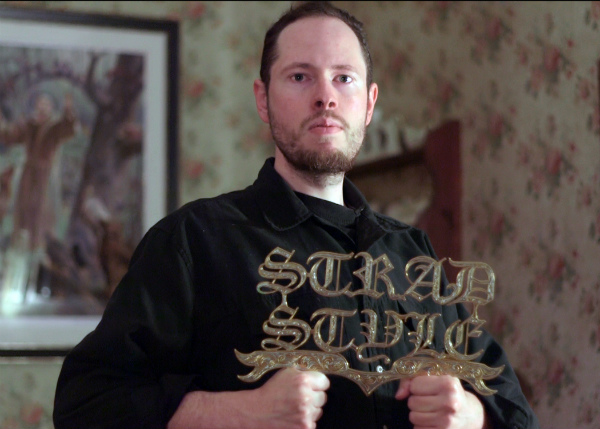 A young man obsessed with building the perfect violin. After he meets a famous soloist on the internet and tells him he can replicate a very specific violin, he now has a mission and a deadline that comes faster than expected.
Island Soldier (2017) [Hot Docs 2017]
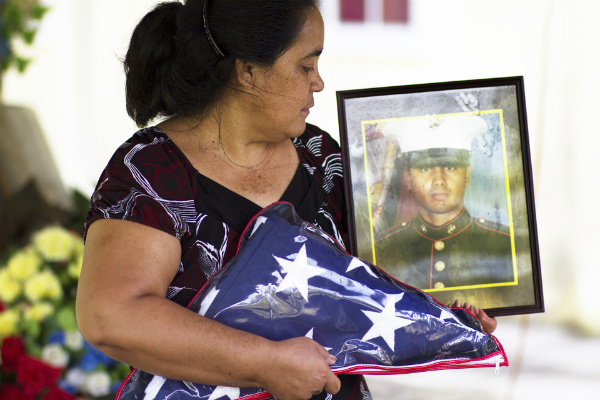 Micronesians are a big part of the US military forces but get very little in terms of recognition or assurance that they will be taken care of if and when things take a bad turn. Here the Nena family is followed through their sons’ and their struggles and joy with the process of them joining the American military, going abroad, training, going into service, et al.
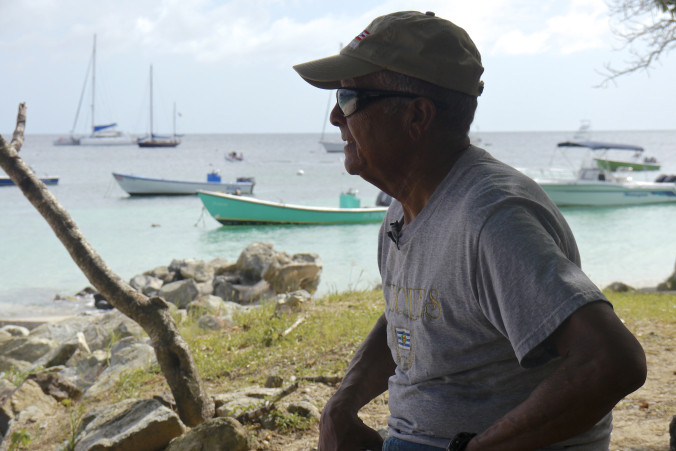
Vieques: An Endless Battle
Juan C. Davila’s insightful documentary examines a decades-long struggle by the people of the Puerto Rican island of Vieques to gain control of the land back from the control of the federal government.

The Bootleg Files: A Place to Stand
BOOTLEG FILES 587: “A Place to Stand” (Academy Award-winning 1967 short).
LAST SEEN: It is on YouTube.
AMERICAN HOME VIDEO: None.
REASON FOR BOOTLEG STATUS: No perceived U.S. commercial value.
CHANCES OF SEEING A COMMERCIAL DVD RELEASE: Unlikely.
Fifty years ago, Montreal became the center of international attention with Expo 67, a World’s Fair that attracted more than 50 million visitors. And one of the most popular attractions at that event was a short film exhibited at the Ontario Pavilion called “A Place to Stand.” While mostly forgotten today, “A Place to Stand” was briefly influential in changing the visual style of late 1960s and 1970s film and television productions – and it even won an Academy Award.
X-Rated Alley: 100 Girls By Bunny Yeager (1997) [Blu-Ray], Nurse Diary: Beast Afternoon (1982) (DVD)
 Many Nikkatsu Roman Porno films tend to integrate sub-genres within their basic frame works of being soft core pornography. While their movies inject frames like crime thrillers, dramas, and romance comedies, every one of these installments garner some long and drawn out sex scene involving petting or molestation. The same can be said for Impulse Pictures’ “Nurse Diary: Beast Afternoon” which is from the Roman Porno library but is deep down a pinku version of a giallo film. Folks that are typically turned off by Nikkatsu films just may find this in their interest.