
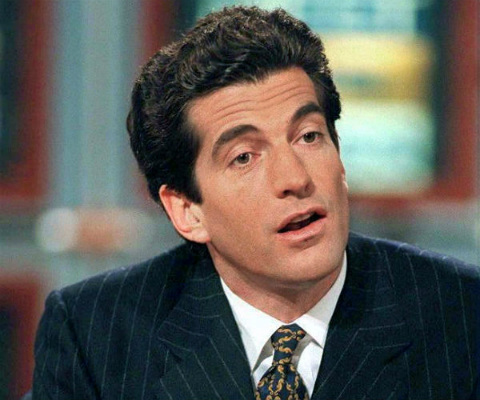
 John F. Kennedy Jr. was the rare American who spent his entire life in the public eye. But despite constantly being seen in newspapers and on TV since infancy, most people never heard him speak until a speech at the 1988 Democratic National Convention, and even fewer got to know him well. This documentary attempts to give us a better idea of who Kennedy really was, but the subject ultimately disappoints.
Tag Archives: Documentary
Hostage to the Devil (2016)
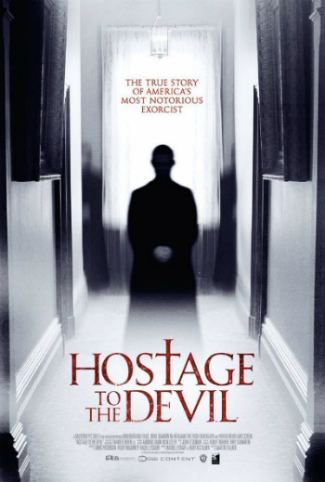 Father Malachi Martin is fighting for the soul of those who have been possessed. In his battle, he encounters fake and real cases. One of the latter is the one of a young girl he truly believes is possessed. Hostage to the Devil tells the life story of Father Malachi Martin through interviews and videos of his work. Written by Rachel Lysaght and Marty Stalker with Stalker also directing, the film has a very even style with the interviews all shot about the same and the way they are shown with straight on interview style and overlays on photos and images gives the film a very straight forward feel.
Norman Lear: Another Version of You
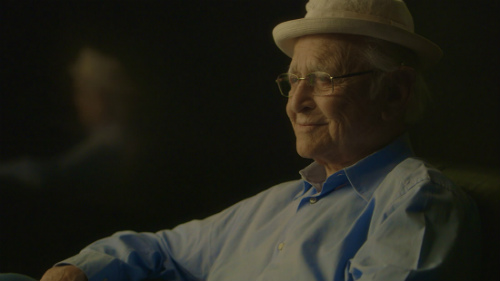 Part of the “American Masters” documentary series, “Norman Lear” is a very bittersweet look in to a man who changed culture and television as we know it. Before Norman Lear, not many television shows and mainstream television networks were willing to step forward and address issues that confronted social and economic problems. Norman Lear is a man who grew up in a troubled family and spent a lot of his life remolding television in to a medium that could change how we think and ask us to reflect on our lives. Mr. Lear used a lot of his own experiences to help create some of the most important television series of all time. From “All in the Family” which brought important issues to our homes through comedy, “The Jeffersons” about changing the racial dynamic in a higher class setting. There was “Maude” which explored a very strong sitcom heroine of the feminist ilk, and “Good Times” which explored the life of a family in poverty.
Rats (2016)
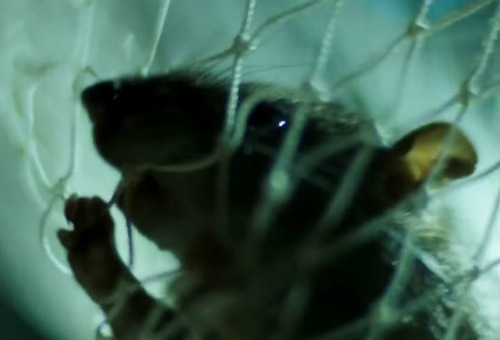 After seeing the trailer for Morgan Spurlock’s documentary “Rats,” I was expecting so much more. I guess not so much more, so much as a point. Rats are gross! Rats are icky! Rats are intelligent! Rats are in the city! And…? So, what is the statement or hypothesis for “Rats”? The message behind the documentary Spurlock films is so jumbled and confused that it comes off so manipulative and sensationalized. One moment we’re watching Indian man smashing the heads of rats with sticks, and the film ends on an Indian sanctuary for rats where locals worship the little animals. What is Spurlock even trying to convey to the audience? Spurlock films lot of money shots of rats crawling through pipes, and swishing around sewers, and jumping out of garbage bags, all set to ominous music. Subjects interviewed in the film, meanwhile, throw around buzzwords to make us feel grossed out or threatened.
An Eye for an Eye (2016)
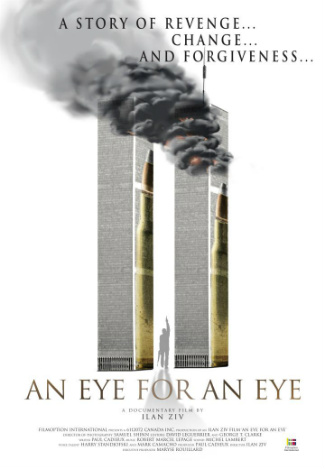 Following the 9/11 attack, a man in Texas decided to kill Arabs and Muslims in his community. This man, Mark Stroman, sits on death row when the viewer meets him. Through interviews with him and others, correspondence, and archive videos and images, the viewer gets to know who Stroman is, why he did what he did, and how he came to be forgiven by the victims of his crimes. Israeli director Ilan Ziv starts his documentary with footage of 9/11 showing the attacks from multiple angles, something that will hit many hard as they watch. Fifteen years later, it is still hard footage to watch for anyone who remembers the day and the events. Those images set what comes next. This being when Stroman decides that he cannot take this attack, and wants revenge. He then writes a manifesto and goes looking for Muslims to kill.
Hail to the King: 60 Years of Destruction (2015) [Horrible Imaginings Film Festival 2016]
 This American documentary shows what the Japanese think of the King of Kaijus, the big G, Godzilla. This documentary was shot using crowd funding to garner its budget. Director and uber Godzilla fan Kyle Yount went to Tokyo in July 2014 to film this fan love letter to his favorite monster.
Swiss Yodeling: 30 Years Later (2015)
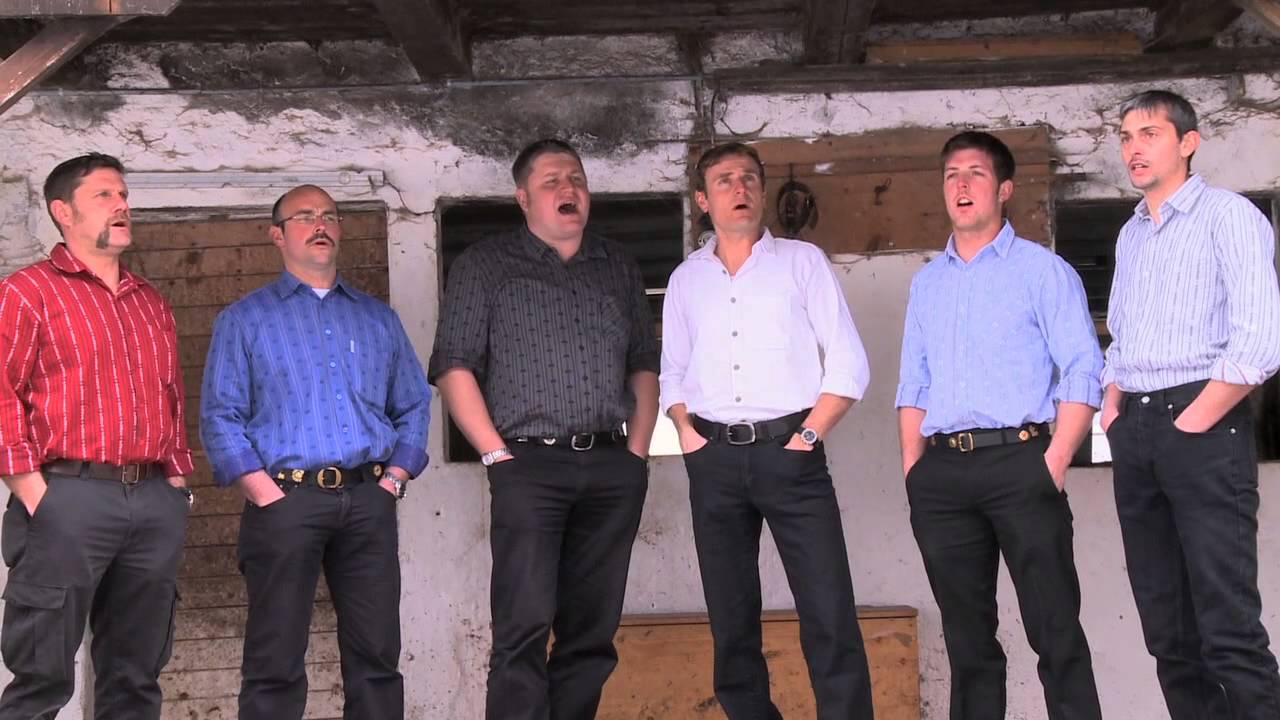
In 1984, documentary filmmaker Hugo Zemp traveled to Muotatal in the Pre-Alps region of Switzerland to create a nonfiction feature on the traditional local style of yodeling known as “yootz,” which differed in many aspects from the more theatrical yodeling presentations that most people associate with Switzerland. After restoring his film, Zemp decided to return to Muotatal in 2014 as a follow-up, and he connected with Bernhard Betschart, who was a seven years old in Zemp’s original production.