Michael Dougherty is brilliant at completely rethinking and reformatting our image of popular holidays and the lore the masses have subscribed to for centuries. After doing an amazing job with Halloween, Dougherty tackles Christmas with what is easily one of the most demented holiday horror films ever made. “Krampus” is an intelligent horror comedy based around the lunacy of the holiday and how the hollow rituals and traditions practiced can build a sense of cynicism and pure hatred for what is supposed to be a fine time of year.
Forget what Hollywood has tried to feed you, “Texas Chainsaw Massacre Part 2” is the actual sequel to Tobe Hooper’s masterpiece, and is widely embraced by horror fans as such. It’s the wacky and surreal embracing of the madness from the first film carried over from the nihilistic cynical seventies, in to the consumerist eighties, where the Sawyer family is now devoting their lives to mutilating yuppies, and going around the world selling their own brand of chili that’s made of people. Hooper’s sequel is a massive tonal departure from the more disturbing original, introducing actual nemeses for the Sawyers including Lefty, a vengeful cowboy hell bent on bringing down the Sawyers, and Stretch, a hapless DJ who becomes the unfortunate recipient of attacks by the Sawyer family when she hears them murdering two victims when one of them calls her randomly.
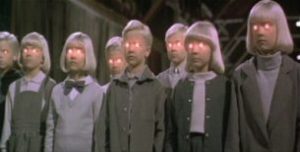
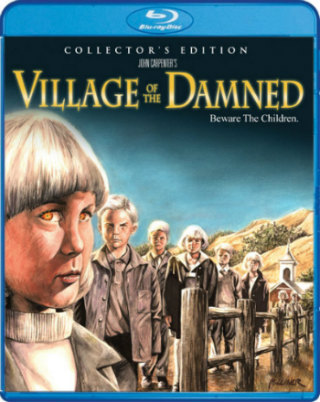
It’s a shame that John Carpenter’s remake of “Village of the Damned” isn’t more highly regarded. If it were his own adaptation of “The Midwich Cuckoos,” it would be placed alongside his other apocalypse or alien films like “They Live,” or “Prince of Darkness.” I don’t think Carpenter’s film is better than the original George Sander’s horror film, but I think it holds up very well and can stand alongside it like Carpenter’s version of “The Thing” with the Howard Hawks original.
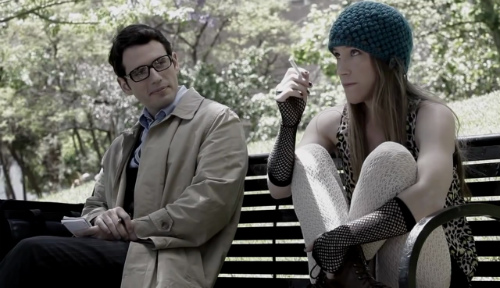
It’s very satisfying to see a director who understands Superman and gets the ideals and goals he strives for. Sure he’s a super man with god like abilities, but it’s not his place to bend humans to his will and make them follow his desires. At the end of the day, Superman understands the fragility of humanity, and he also comprehends that despite being a hero that’s taken on gods, and aliens, even the smaller problems count from time to time. Sarah is on her way out of the city set to venture out on her own and isn’t intent on going back home any time soon. While sitting in the park, she’s approached by a seemingly mundane bespectacled man in a blue suit who explains he’s a reporter.
She can’t understand why she’s so important, but the reporter is insistent and is abler to charm her enough to where she can open up to him for his “interview.” Director and writer Thomas spends the majority of the short film defining Superman and exploring common questions and themes that have alluded many people for decades about the character. Who else to understand Superman than Metropolis’ ace reporter Clark Kent? Soon enough, the pair are discussing the idea of beings with powers, humanity, and how we all matter in the scope of life, no matter how minute our problems may seem in the long run.
Erin Brown Thomas and John Nagle perform very well, providing fantastic chemistry and conveying the dynamic of wayward youth and wise hero well. John Nagle is the perfect Clark Kent and might even be a bang up Superman, presenting an excellent amount of humility and empathy to make him a noble crusader, even when he’s simply sitting around in a suit and tie. Thomas has a small budget to work with but aspires for larger than life storytelling, emulating the awe inspiring more misunderstood traits of Superman and conveying that it doesn’t take an actual superhero to change someone’s life and steer them in to promise and success. I hope we see more from Jake Thomas very soon. Hell, I’d even love to see him tackle Superman yet again.
Even without the hilarious small edits and cuts made by “Everything is Terrible!,” their film comprised of clips and long montages of bizarre footage from news reports is so funny and bizarre, it warrants watching twice, and heavy analyses. When we look back at the VHS generation, we can look back at “Everything is Terrible! The Movie” and either remember that the generation was not all peaches and cream, or was maybe even better than we remember. It’s tough to believe that so much of the unusual, silly, and over the top infomercials and instructional videos were paid for, and made for the utmost sincerity of selling us something or teaching us something.
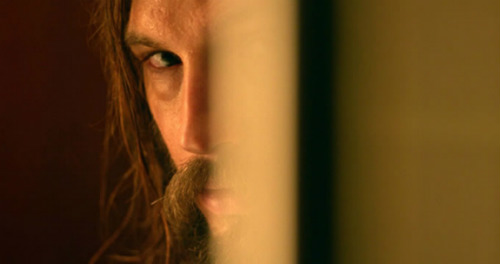
I will say for the record to avoid any and all spoilers about “The Invitation,” because Karyn Kusama’s film is a masterpiece that deserves an audience with the ability to soak in the full weight of the experience. Kusama’s “The Invitation” is one of the most competently made and mesmerizing horror thrillers I’ve seen so far this year. It’s a haunting and disturbing look at the unbearable pain of grief, and how so many are incapable of dealing with it that it allows for a predator to prey on them without fail.
JJ Abrams has a lot of work to accomplish with “The Force Awakens,” removing the stigma and stench the series has accumulated over the years with the release of the “Star Wars” film prequels, the constant re-editing and changes to the original films, and so much more. “The Force Awakens” actively works as a rebuttal to the aforementioned legacy set, unleashing a film that’s very down to Earth and celebratory of the original trilogy as a whole. It not only musters up a lot of the tropes from the original trilogy, but acts as a launch pad for a massive movie series that Lucasfilm and Disney are planning for a very long stretch. While some have criticized the film for recycling some elements from “A New Hope,” Abrams fully understands what he’s working with, and working on, and uses “The Force Awakens” as a massive doorway accessible to literally anyone.

 Michael Dougherty is brilliant at completely rethinking and reformatting our image of popular holidays and the lore the masses have subscribed to for centuries. After doing an amazing job with Halloween, Dougherty tackles Christmas with what is easily one of the most demented holiday horror films ever made. “Krampus” is an intelligent horror comedy based around the lunacy of the holiday and how the hollow rituals and traditions practiced can build a sense of cynicism and pure hatred for what is supposed to be a fine time of year.