Our Top Ten “The Simpsons” Episodes of All Time: 7. Itchy & Scratchy Land

Itchy_&_Scratchy_Land

7. Itchy & Scratchy Land
Season Six
1994

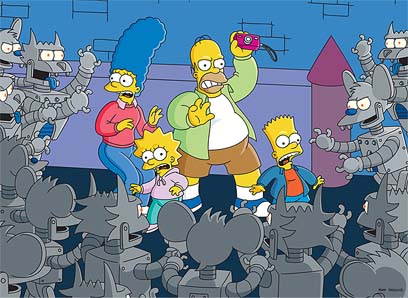
The writers on “The Simpsons” pull off one of their many excellent satires of classic films with “Itchy & Scratchy Land,” this time spoofing “West World,” and “Jurassic Park.” Much in the realm of “The Shinning,” the episode doesn’t so much mock the films as they twist the conventions of the narrative to fit the comic elements of the series. With summer now on its way, Bart and Lisa are convinced by Krusty the Klown to go to Itchy and Scratchy Land. Bart and Lisa do whatever it takes to go there, even convincing them that Bart’s dead. Dead serious about going to Itchy and Scratchy Land.
Continue reading

The Hunger Games: Catching Fire (2013)

TheHungerGamesCatchingFire

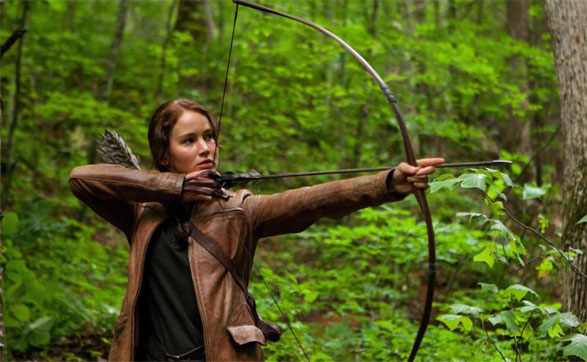
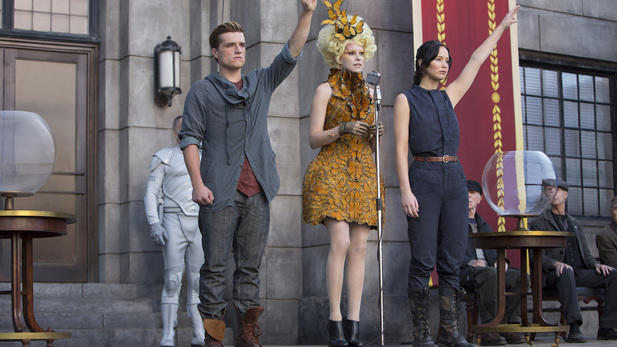
Director Francis Lawrence’s “Catching Fire” is set directly after the events of the first serviceable installment of “The Hunger Games,” and sadly Katniss has not emerged victorious. After her attempt to end her life with Peeta, incapable of fighting to the death, the pair became celebrities. Rather than be wounded by their violation of the rules of the Hunger games, the Capital took advantage of this moment. Katniss and Peeta are now a celebrity couple and the world wide sensation, and the capital has done everything they can to exploit this opportunity. Katniss and Peeta started a revolution when they agreed to a suicide pact, and now they have to once again maintain their image.

Continue reading

The Borrower Arrietty (Kari-gurashi no Arietti) (2012)

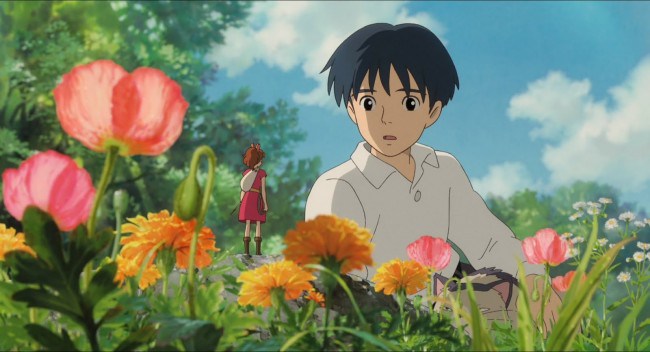
I can understand why Disney loves Studio Ghibli so much. Many of their epic films revolve around death and lack of parental units in the lives of youngsters, and Hayao Miyazaki quite often depicts a world where children are either without a mother and father, or are at risk of losing their mother and father. Like many of Studio Ghibli’s animated works, there’s an entirely vast and amazing world that many never explore unless they’re given that privilege.

Continue reading

Zatoichi: The Blind Swordsman (Criterion Collection) (1962)

91rB21Hw8JL._SL1500_

If you’re like me, you’re a fan of “Zatoichi” and know all too well how expensive the movie series can be to purchase. Zatoichi garners almost thirty films in his movie series, two of which are released separately. The first twenty five are, of course, often released in box set form and are sold at terribly expensive prices, and immediately go out of print. If you want to collect all of the movies individually online through a purchase, good luck finding an online seller that won’t charge an arm and a leg. Back in the early aughts I attempted to buy as many “Zatoichi” films as I could, and only ended up finding four. I never could bear to buy the rare box sets at almost five hundred bucks. Thankfully, Criterion comes to the rescue, offering a deluxe box set of one of my favorite action movie series of all time, “Zatoichi.”

Continue reading

The Hunger Games (2012)

HungerGames

I guess at the end of the day, you could find worse entertainment than “The Hunger Games.” Most of the concept has been nothing but hype that leads in to narrative that’s entertaining in its own right, but is nowhere near being a masterpiece. I wouldn’t even call it a great movie, when pressed. It’s been touted as violent and disturbing for a PG-13 film, but when the centerpiece of the film involving teens and preteens slaughtering one another at the start of the Hunger Games approaches, it’s all so tame. It’s off-screen blood splatter, and suggestive brutality, all softened by a dizzying shaky cam that renders it impossible to make any of the chaos coherent for the viewer.

Continue reading

The World’s End (2013)

the-worlds-end

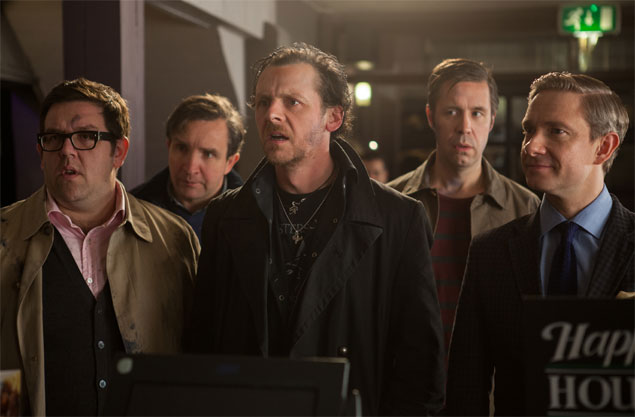
Director Edgar Wright finishes his “Cornetto Trilogy” (the first two being “Shaun of the Dead,” and “Hot Fuzz”) finally with “The World’s End,” a film very much in the tradition of the first two installments. Wright and co. dwell on the prevalent themes that have fueled the first two stories. They’re tales about xenophobia, alienation, conformity, coming of age, the fear of progress, and the dangers of nostalgia. Much in the way Woody Allen did with “Midnight in Paris,” director Wright warns about nostalgia and how our memories can lie to us and become a crutch, preventing us from growing up and moving on with our lives.

Continue reading